Custom CNC Machining for Prototypes and Production
Source custom machined parts with surface finishing from JLYPT. Send your drawing, material, quantity and finish requirements for a project review.
Custom CNC Machining Service
JLYPT provides CNC machining for custom components, from prototypes to production orders. Review milling, turning, surface finishing and inspection requirements together so the quote reflects the finished part you need.
Include a 3D model and dimensioned drawing where available. Identify critical tolerances, threads, surface finishes and any dimensions that must be checked after coating. Process selection and achievable tolerances are confirmed against the material and geometry.
Why Choose Our CNC Machining Services?

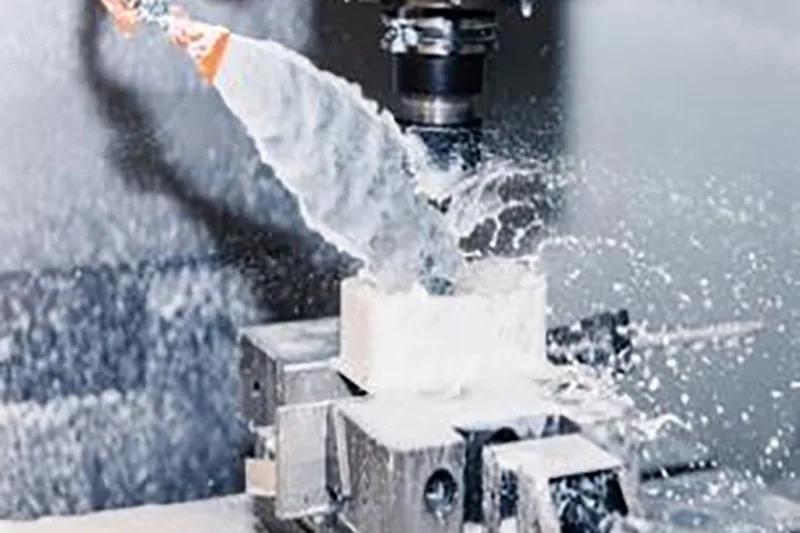
Multi-Axis Precision Engineering
Discuss multi-axis machining for complex geometry and features on multiple faces. Specify critical dimensions and datum references so the machining and inspection plan can be reviewed for your part.
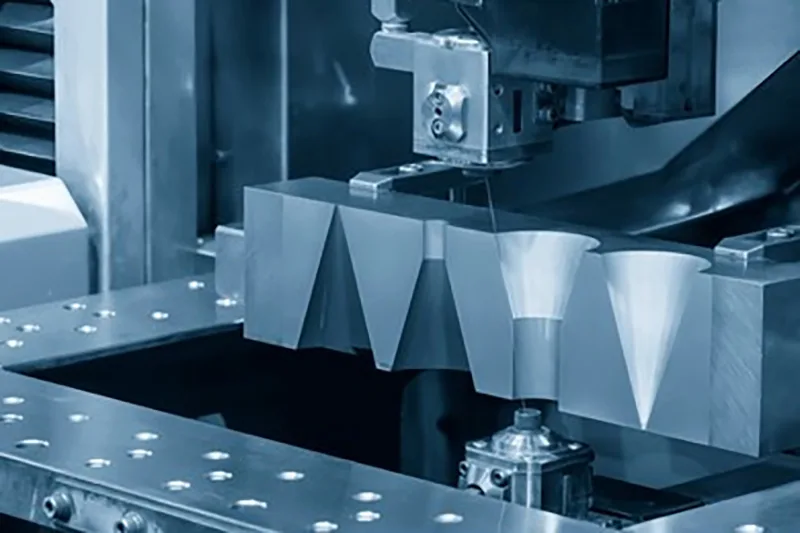
EDM Wire Cutting
Wire EDM may be suitable for detailed profiles in electrically conductive materials. Share the material, thickness, internal corner requirements and surface finish so process suitability can be confirmed.
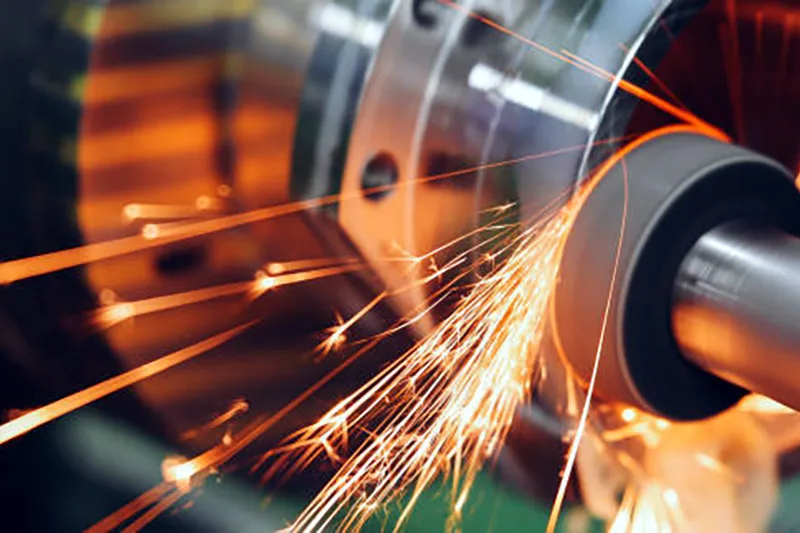
Precision Grinding & Boring
Identify precision bores, bearing seats and surfaces that may require additional finishing operations. Confirm the required geometry, tolerances and inspection method during the drawing review.
Trusted by Global Innovators
“JLYPT’s 5-axis CNC services cut our medical device lead time from 8 weeks to 12 days while maintaining ISO 13485 compliance.” – Client in Biotech Sector

ISO 9001:2015 certified

Tolerances Reviewed Against Your Drawing

3 & 5-Axis milling & turning prototypes

Project-Specific Lead Times
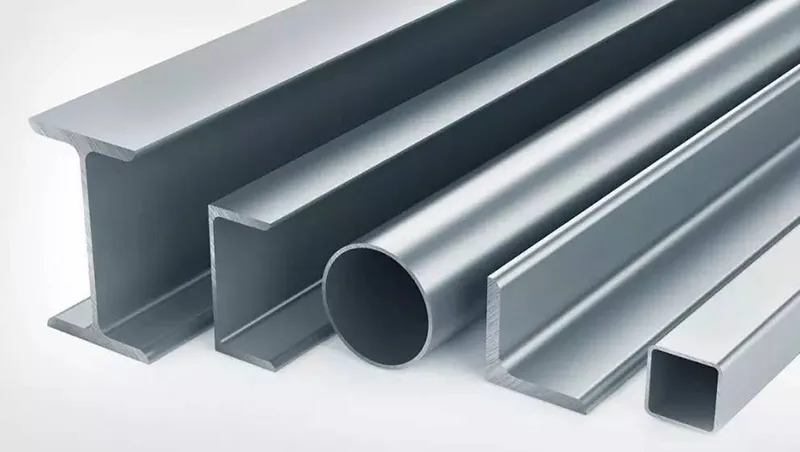
CNC Machining Material
Choosing the right materials and surface finishes is crucial for your CNC machining projects. Based in China, we’re more than just a CNC manufacturer—we’re a dependable supplier, offering a wide range of materials and custom finishing options to meet your specific needs.
Aluminum alloy is a lightweight, durable material made by mixing aluminum with other elements to improve strength and corrosion resistance. It’s widely used in aerospace, automotive, and construction for its high strength-to-weight ratio
Monel 500, also known as Alloy K-500, is a nickel-copper alloy with added aluminum and titanium for increased strength and hardness. It offers excellent corrosion resistance and is used in marine engineering, aerospace, oil and gas, and chemical processing for components like pump shafts, valves, and high-strength fasteners.
Inconel 718 is a high-performance nickel-chromium alloy known for its exceptional strength and oxidation resistance at high temperatures. Commonly used in aerospace and oil and gas applications, it’s ideal for components like turbine blades and valves due to its durability in extreme environments.
Titanium alloy is a lightweight, strong material made of titanium and other elements like aluminum or vanadium. Known for its high strength-to-weight ratio and corrosion resistance, it’s commonly used in aerospace, medical devices, and automotive applications.
Surface Finishes for CNC Machined Parts
Specify the finish when requesting your machining quote. Coating thickness, masking, appearance and post-finish dimensions can affect both the process plan and acceptance criteria.
Explore our aluminum anodizing services and PVD coating services. Confirm material compatibility and inspection requirements for the chosen finish.
Preparing an aluminum part drawing? Review our guides to anodizing thickness and dimensional tolerances and masking threads and holes when defining your finishing requirements.

Anodizing
Anodizing is an electrochemical process that thickens the natural oxide layer on aluminum, improving corrosion resistance and surface hardness while allowing for color dyeing. It's commonly used in aerospace, automotive, and consumer products.
Alodine
Alodine is a chemical conversion coating for aluminum that enhances corrosion resistance and paint adhesion while preserving electrical conductivity. It is widely used in aerospace and military applications for its protective properties.
Black Oxide
Black oxide is a surface treatment for steel that creates a thin, corrosion-resistant, dark finish. It enhances appearance and provides mild protection against rust while maintaining the metal's dimensions. Commonly used in tools, fasteners, and firearms
Electroless Nickel Plating
A chemical process that deposits a uniform nickel-phosphorus layer on metal surfaces, enhancing corrosion resistance, hardness, and wear resistance without the need for electricity

Electropolishing
An electrochemical process that smooths, brightens, and deburrs metal surfaces, improving corrosion resistance and surface finish, commonly used for stainless steel.
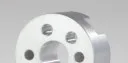
Hand Polishing
A manual process that uses abrasives to achieve a smooth, shiny surface finish, often used for aesthetic enhancement on visible parts

Media Blasting
Media blasting directs abrasive media at a surface to clean or texture it. The result depends on the media, material and process settings. Identify cosmetic surfaces and areas that must be protected.
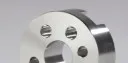
Nickel Plating
An electroplating process that coats metal parts with a layer of nickel to improve corrosion resistance, wear resistance, and appearance.

Passivation
A chemical treatment for stainless steel that removes free iron from the surface and enhances its corrosion resistance by forming a protective oxide layer.

Powder Coating
A dry finishing process that applies a durable, protective paint layer to metal surfaces, offering excellent resistance to corrosion and scratches. Commonly used in automotive and outdoor equipment.
Advantages and Challenges of CNC Machining?
- Accuracy and precision: CNC machines are highly accurate and can consistently produce parts with tight tolerances. This level of precision is difficult to achieve with manual machining processes.
- Repeatability: CNC machines can produce identical parts over and over again with the same high level of accuracy and precision. This makes CNC machining ideal for large-scale production runs.
- Speed: CNC machines can produce parts quickly and efficiently, especially when compared to manual machining processes. This allows for faster turnaround times and shorter production cycles.
- Flexibility: CNC machines can be programmed to produce a wide range of parts and can handle a variety of materials, including metals, plastics, and composites.
- Reduced labor costs: Because CNC machines are automated, they require less human intervention than manual machines. This means that fewer workers are needed to operate and monitor the machines, which can result in lower labor costs.
- Complexity: The programming and operation of CNC machines require specialized training and technical knowledge. This can be a challenge for companies that don’t have experienced CNC operators on staff.
- Limited flexibility: While CNC machines can produce a wide range of parts, they are limited by the size and capabilities of the machine. This means that some parts may be too large or too complex to be produced by a particular CNC machine.
- Material limitations: While CNC machines can handle a wide range of materials, certain materials may be more difficult to machine than others. This can result in longer machining times, increased tool wear, and other challenges.
Plan Your Prototype or Production Order
- Provide material, quantity and target delivery date.
- Identify critical dimensions, finish requirements and inspection documents.
- Confirm machining feasibility, lead time and price after drawing review.
For repeat orders, include the drawing revision and any changes from the approved sample.
Request a machining and finishing quote. Include your drawing revision, material grade and quantity for each part. If you need quantity-break pricing, list the batch sizes. State whether you need machining only or a finished component.
Why choose JLYPT for Custom CNC Machining
Precision and Quality
We deliver high-precision machining with strict quality control, ensuring components meet the most demanding tolerances and specifications.
Custom Surface Finishes
Alongside machining, we offer a wide range of custom surface finishes to provide a complete solution, from raw parts to finished products.
Advanced Equipment
Our facility is equipped with state-of-the-art machinery and technology, allowing us to handle complex projects with efficiency and accuracy.
Experienced Team
Our skilled engineers and machinists bring years of expertise to tackle any machining challenge, ensuring optimal results for every project.
Fast Lead Times
We prioritize quick turnaround times without compromising quality, helping you meet tight deadlines.
Competitive Pricing
We offer cost-effective solutions without sacrificing quality, allowing you to optimize your budget.
Flexible Production
Whether it's prototyping, small-batch production, or high-volume manufacturing, we can scale to meet your requirements.
Comprehensive Services
From material selection to final inspection, we provide end-to-end services to streamline your supply chain.
Responsive Communication
Our dedicated customer support team ensures prompt and clear communication throughout the entire process, keeping you informed at every stage.
CNC Machining FAQs
CNC machining is compatible with a wide range of materials, including metals like aluminum, stainless steel, brass, and titanium, as well as plastics such as ABS, POM, and PEEK. The choice of material depends on the application, required properties, and budget.
CNC machining can achieve tight tolerances, typically ranging from ±0.005 mm to ±0.02 mm, depending on the material, design, and complexity. Custom tolerances may also be possible for highly precise components.
The lead time for CNC machining varies based on part complexity, quantity, and material availability. Simple parts can be completed in a few days, while more complex projects may take several weeks.
The maximum part size depends on the capabilities of the specific CNC machine. Typically, machines can handle parts up to 4,000 mm in length, but larger sizes may be possible with specialized equipment.
Yes, CNC machining can produce complex geometries, including intricate details, undercuts, and multi-sided features. Advanced 5-axis CNC machines allow for even more complex shapes and precision.