Advanced Corrosion-resistant Components for Medical Robotics: Materials and Manufacturing Solutions
Engineering Excellence: Advanced Corrosion-resistant Components for Medical Robotic Applications
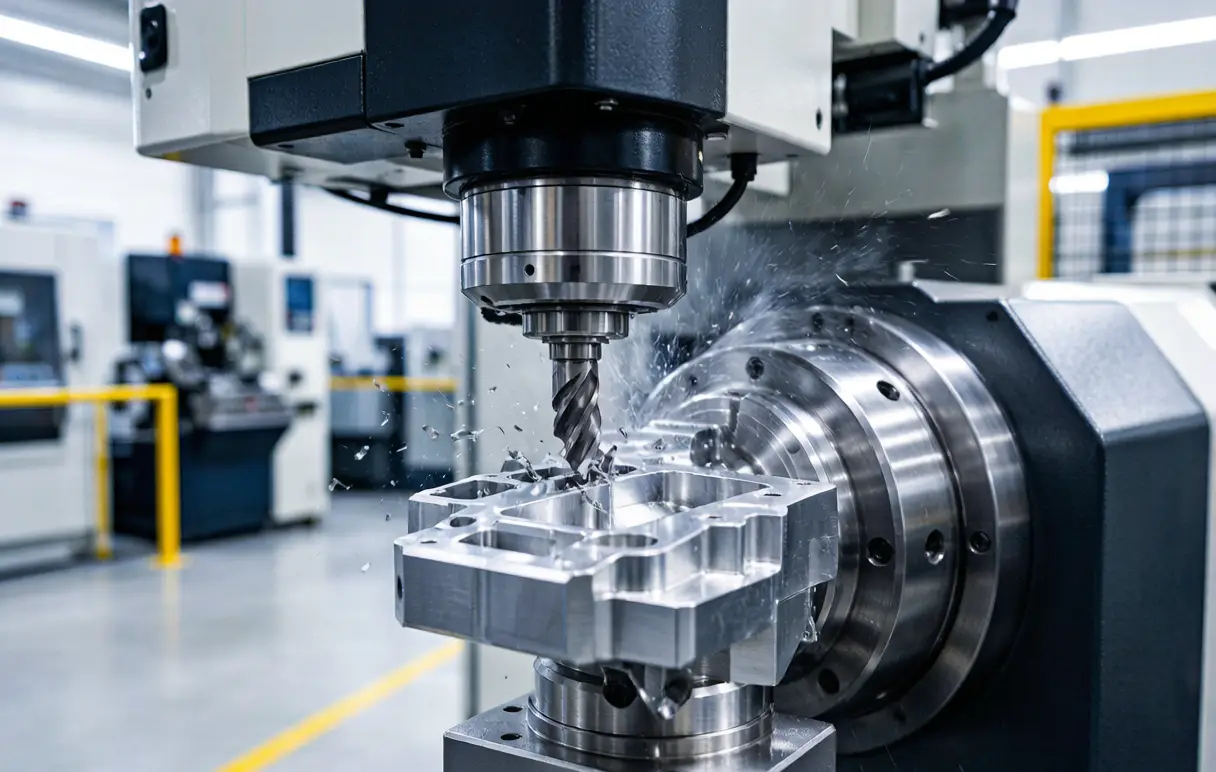
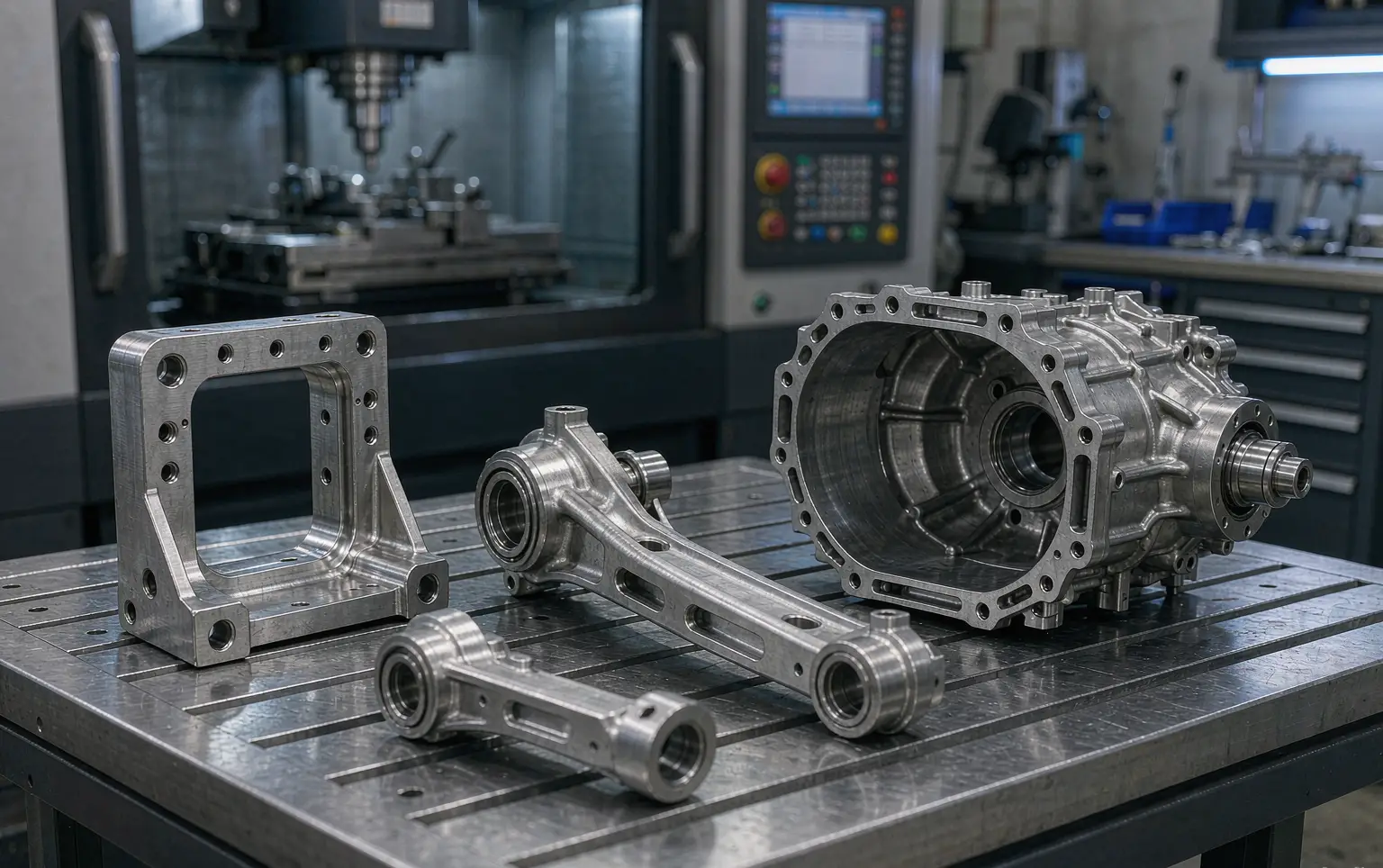
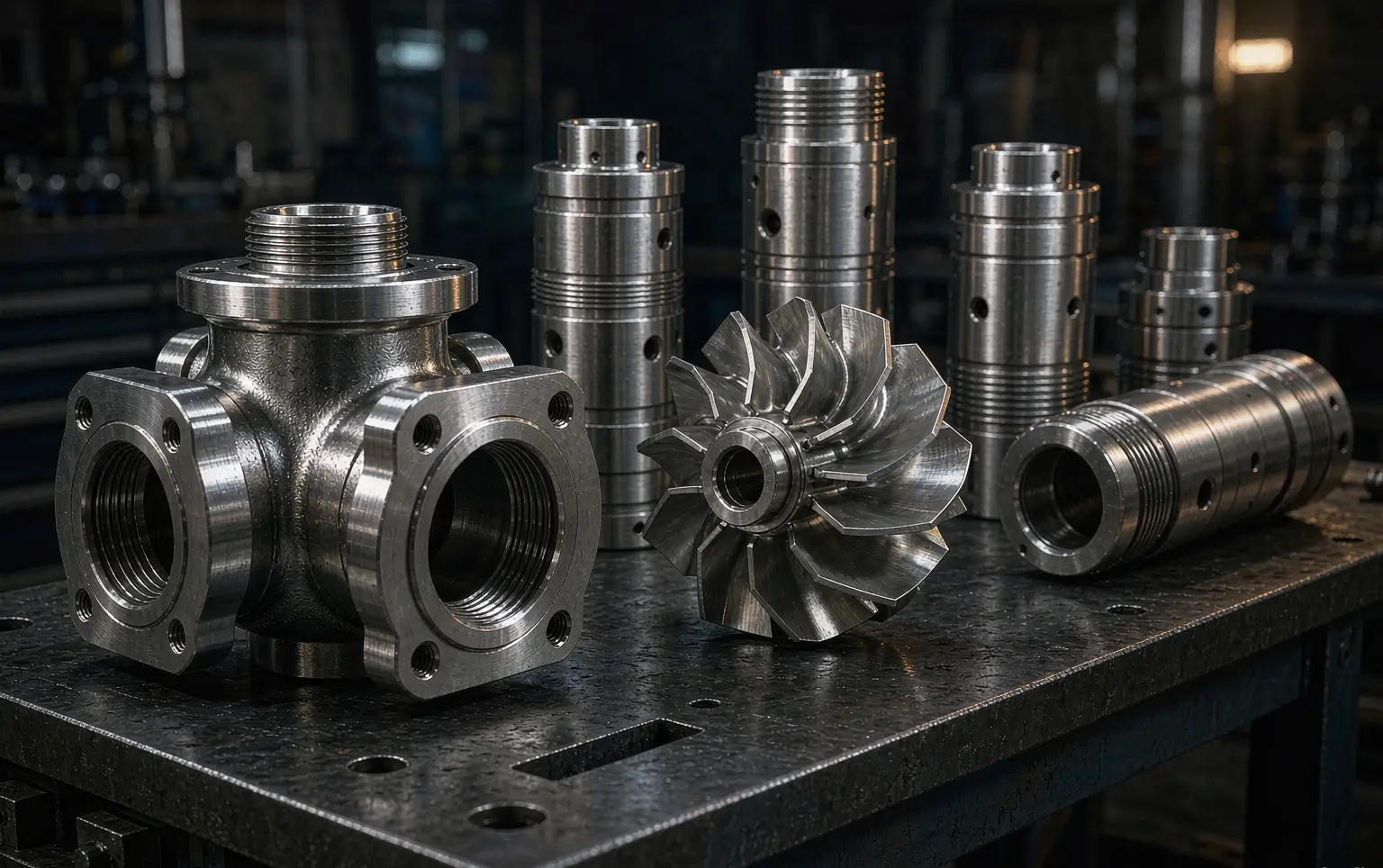
The medical robotics industry demands unprecedented levels of reliability, safety, and durability from its components, with corrosion-resistant components representing a critical engineering challenge. These specialized parts must withstand aggressive sterilization protocols, bodily fluids, and chemical cleaning agents while maintaining precise dimensional stability and mechanical performance. At JLYPT, our expertise in manufacturing corrosion-resistant components for medical applications combines advanced material science with precision CNC machining to deliver solutions that meet the stringent requirements of modern medical robotic systems.
Fundamental Corrosion Mechanisms in Medical Environments
Understanding the specific corrosion challenges in medical robotics is essential for developing effective corrosion-resistant components:
Electrochemical Corrosion Principles
Medical environments present unique corrosion challenges that require sophisticated material solutions:
-
Galvanic Corrosion: When dissimilar metals contact in electrolyte solutions (such as saline or bodily fluids), the galvanic series determines corrosion risk. The galvanic potential difference between coupled materials should not exceed 0.25V to prevent accelerated degradation
-
Crevice Corrosion: In robotic joint assemblies and fastener interfaces, oxygen concentration cells form in gaps as small as 25μm, leading to localized attack with penetration rates up to 1mm/year in aggressive environments
-
Pitting Corrosion: Chloride ions in sterilization solutions and physiological fluids initiate pits that propagate according to the equation:
Pitting Factor = Maximum Pit Depth / Average Penetration
High-performance corrosion-resistant components maintain pitting factors below 3.0
Sterilization-Induced Degradation
Medical corrosion-resistant components must withstand repeated sterilization cycles:
-
Autoclave Conditions: 121-134°C saturated steam with 15-30 psi pressure creates ideal conditions for steam-line corrosion and stress corrosion cracking
-
Chemical Sterilization: Ethylene oxide, hydrogen peroxide plasma, and peracetic acid solutions each present unique chemical attack mechanisms
-
Radiation Sterilization: Gamma and E-beam radiation can accelerate corrosion through material degradation and oxide layer disruption
Advanced Material Selection for Medical Applications
The performance of corrosion-resistant components begins with strategic material selection:
Stainless Steel Alloys
-
Austenitic Grades: 316L and 316LVM provide excellent general corrosion resistance with PREN (Pitting Resistance Equivalent Number) values of 25-28:
PREN = %Cr + 3.3 × %Mo + 16 × %N -
Precipitation Hardening Grades: 17-4PH (630) and 13-8Mo offer high strength (up to 1380 MPa YS) while maintaining good corrosion resistance
-
Duplex Stainless Steels: 2205 and 2507 provide superior stress corrosion cracking resistance with PREN values exceeding 35
Titanium and Its Alloys
-
Commercially Pure Titanium: Grades 1-4 offer excellent biocompatibility and corrosion resistance but limited strength (240-550 MPa YS)
-
Ti-6Al-4V (Grade 5): The workhorse medical alloy combining high strength (895 MPa YS) with exceptional corrosion resistance
-
Ti-6Al-7Nb and Ti-5Al-2.5Fe: Advanced surgical alloys optimized for biological environments
Specialty Medical Alloys
-
Cobalt-Chromium Alloys: CoCrMo (ASTM F75, F799) providing wear resistance in articulating components
-
Nickel-Titanium Alloys: Nitinol for applications requiring superelasticity and shape memory effects
-
Zirconium Alloys: For applications demanding radiopacity and superior biocompatibility
Precision Manufacturing and Surface Engineering
The manufacturing process significantly impacts the corrosion resistance of medical components:
CNC Machining Considerations
-
Toolpath Optimization: Climb milling versus conventional milling strategies affect residual stresses and surface work hardening
-
Cutting Parameter Control: Optimal speeds (80-120 m/min for stainless, 30-60 m/min for titanium) and feeds (0.05-0.15 mm/rev) prevent thermal degradation and smearing
-
Coolant Management: Medical-grade coolants with controlled chloride content (<50 ppm) and proper filtration prevent contamination
Surface Integrity Enhancement
-
Electropolishing: Controlled anodic dissolution removing 20-40μm of surface material, eliminating microcracks and embedded contaminants
-
Passivation Treatments: Nitric or citric acid processes creating uniform chromium oxide layers 2-5nm thick
-
Mechanical Surface Treatments: Shot peening and laser shock peening introducing compressive stresses to 50% of material depth
Technical Performance Specifications
Table 1: Medical-Grade Corrosion-resistant Materials Comparison
Material Property 316L Stainless Ti-6Al-4V CoCrMo 17-4PH PEEK Yield Strength (MPa) 170-310 825-895 450-827 790-1380 90-100 Corrosion Rate (mpy) <0.1 <0.02 <0.01 <0.2 N/A Pitting Potential (mV) +300 to +500 >+1000 >+400 +200 to +400 N/A Crevice Corrosion Temp (°C) 25-35 >100 >85 15-25 N/A Elastic Modulus (GPa) 193 110-114 210-240 196 3-5 Fatigue Limit (MPa) 240-310 500-620 250-500 415-620 25-35 Biocompatibility Excellent Excellent Excellent Good Excellent MRI Compatibility Conditional Full Conditional Conditional Full Autoclave Cycles 1000+ Unlimited Unlimited 500+ Limited Cost Factor 1.0 3-5 4-6 1.5-2 2-3
Quality Assurance and Regulatory Compliance
Medical corrosion-resistant components require rigorous quality control:
Material Certification
-
Traceability Requirements: Full material traceability from melt to finished component per FDA 21 CFR Part 820
-
Chemical Analysis: Verification of alloy composition with particular attention to interstitial elements (C, N, O, H)
-
Microcleanliness: Inclusion rating per ASTM E45 with strict controls on sulfide and oxide content
Performance Validation
-
Corrosion Testing: ASTM G48, G61, and F2129 testing for pitting, crevice, and galvanic corrosion
-
Mechanical Properties: Tensile, fatigue, and hardness testing per ASTM specifications
-
Surface Analysis: SEM/EDS analysis for surface contamination and oxide layer characterization
Case Study Applications
Case Study 1: Surgical Robot Instrument Arm
-
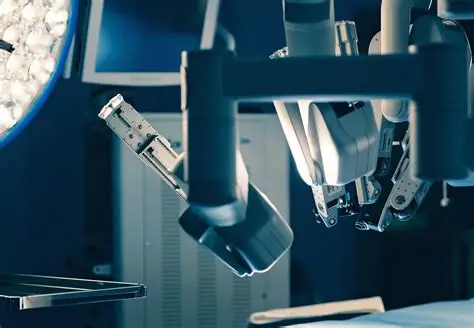
Challenge: A surgical robot manufacturer needed instrument arms capable of withstanding 5,000 autoclave cycles while maintaining positioning accuracy of ±0.1mm. Previous 304 stainless steel components showed pitting corrosion after 1,200 cycles.
-
Solution: JLYPT engineered corrosion-resistant components using 316LVM stainless steel with optimized machining parameters and electrophishing. Critical bearing surfaces received a proprietary passivation treatment enhancing corrosion resistance while maintaining dimensional stability.
-
Result: Components exceeded 7,500 autoclave cycles without measurable corrosion or dimensional deviation. The solution achieved 99.8% reliability in clinical use while reducing maintenance requirements by 60%.
Case Study 2: MRI-Compatible Robotic Positioning System
-
Challenge: Development of a robotic positioning system for MRI-guided interventions requiring non-magnetic corrosion-resistant components with precision motion capabilities in high-field (3T) MRI environments.
-
Solution: We manufactured components from Ti-6Al-4V ELI (Extra Low Interstitial) using multi-axis CNC machining with diamond-coated tools. The design incorporated zirconium ceramic bearings and PEEK structural elements to eliminate ferromagnetic materials.
-
Result: Achieved MRI compatibility with zero image artifact and positional accuracy of ±0.05mm under 3T magnetic fields. The system maintained corrosion resistance through 2,000 sterilization cycles with no degradation.
Case Study 3: Portable Diagnostic Robot Housings
-
Challenge: A portable diagnostic robot required housings resistant to chemical disinfectants while maintaining light weight and structural integrity for field use.
-
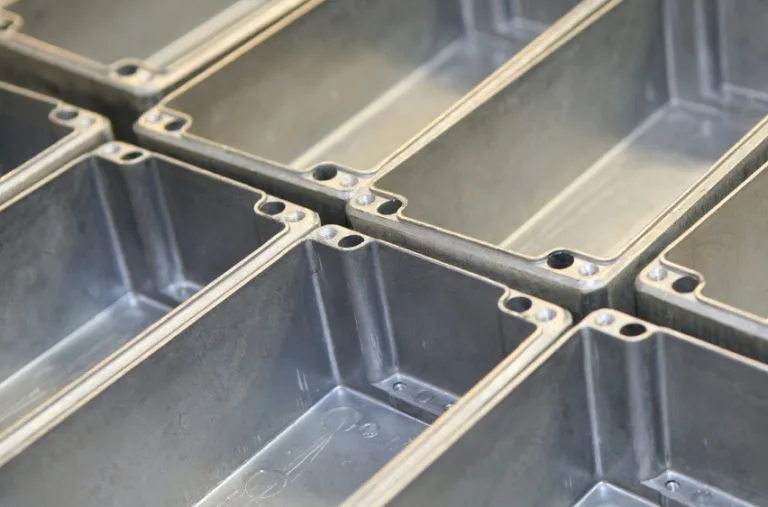
Solution**: JLYPT developed aluminum corrosion-resistant components using 6061-T6 alloy with multi-layer surface treatment including anodizing (Type III, 50μm) and sealed PTFE impregnation. The design incorporated stainless steel inserts with proper galvanic isolation.
-
Result: Achieved 500% improvement in corrosion resistance compared to standard anodizing while reducing component weight by 40% versus stainless steel alternatives. The solution withstood 5,000 exposure cycles to quaternary ammonium disinfectants.
Advanced Manufacturing Technologies
Innovative manufacturing methods enhance corrosion-resistant components:
Additive Manufacturing
-
Selective Laser Melting: Production of complex internal geometries impossible with conventional machining
-
Electron Beam Melting: High-vacuum processing reducing interstitial contamination in reactive alloys
-
Post-processing Requirements: HIP (Hot Isostatic Pressing) and electrochemical polishing for medical applications
Hybrid Manufacturing
-
Combined Additive and Subtractive: Building near-net shapes with precision machining of critical features
-
Laser Cladding: Adding corrosion-resistant surfaces to optimized substrate materials
-
Ultrasonic Assisted Machining: Improving surface finish and reducing residual stresses in difficult-to-machine alloys
Future Technology Development
The field of medical corrosion-resistant components continues to evolve:
Advanced Material Development
-
High-Entropy Alloys: Novel compositions with unique corrosion resistance properties
-
Bulk Metallic Glasses: Amorphous structures with exceptional corrosion resistance and mechanical properties
-
Nanostructured Materials: Engineered surfaces with enhanced biological and corrosion performance
Smart Component Technology
-
Corrosion Monitoring: Embedded sensors for real-time corrosion rate measurement
-
Self-healing Coatings: Materials that autonomously repair damage to protective layers
-
Adaptive Surfaces: Responsive surface chemistries that modify behavior based on environment
Implementation Best Practices
Successful deployment of medical corrosion-resistant components requires comprehensive planning:
Design for Manufacturing
-
Avoiding Crevices: Design geometries that prevent fluid entrapment and oxygen concentration cells
-
Material Compatibility: Careful selection of material pairs to minimize galvanic corrosion risks
-
Surface Finish Specifications: Appropriate Ra values (typically 0.4-0.8μm) balancing corrosion resistance and function
Sterilization Protocol Optimization
-
Process Compatibility: Matching material selection with intended sterilization methods
-
Handling Procedures: Implementing cleanroom protocols to prevent contamination
-
Packaging Solutions: Developing packaging that maintains sterility without inducing corrosion
Conclusion: Engineering Reliability for Medical Applications
The development and manufacturing of advanced corrosion-resistant components for medical robotics represents a sophisticated intersection of materials science, precision engineering, and regulatory compliance. These critical components must demonstrate exceptional performance in challenging environments while meeting the stringent requirements of medical device regulations.
At JLYPT, our comprehensive approach to corrosion-resistant components encompasses everything from material selection and design optimization through precision manufacturing and validation testing. Our expertise in medical-grade materials and manufacturing processes ensures that we deliver solutions that meet the most demanding application requirements while providing the reliability and safety essential for medical applications.
Ready to enhance your medical robotic systems with advanced corrosion-resistant components? Contact JLYPT today to discuss your specific application requirements with our engineering team. Our specialists will provide comprehensive technical support and manufacturing solutions tailored to your performance objectives and regulatory requirements.