Beyond the Sticker Price: A Technical Analysis of Collaborative Robot (Cobot) Pricing and Manufacturing Value
Deconstructing Value: The Engineering Reality Behind Collaborative Robots (Cobots) Price
The market for collaborative robots (cobots) price presents a seemingly broad spectrum, from attractively low-entry models to premium systems commanding significant investment. For manufacturing engineers and operations managers, the critical challenge lies not in comparing sticker prices but in deciphering the engineering and manufacturing substance that determines total cost of ownership (TCO), safety integrity, and long-term performance. At JLYPT, our vantage point from precision CNC machining reveals that the collaborative robots (cobots) price is fundamentally a reflection of component quality, material science, and manufacturing rigor. This analysis moves beyond marketing to examine how the machining of gears, housings, and force-torque sensor elements directly correlates with the performance, safety, and longevity encapsulated in the final price tag.
The Core Cost Drivers: Precision Where It Matters Most
The collaborative robots (cobots) price is not arbitrary; it is built from the ground up through a bill of materials (BOM) and manufacturing processes. Understanding these drivers is key to valuation.
1. Joint Actuation System: The Heart of Motion and Safety
A cobot’s joint is a marvel of integrated engineering, combining a servo motor, high-ratio reducer, brakes, and sensors. The quality of each component’s manufacture is paramount.
Strain Wave Gear (Harmonic Drive) Manufacturing: This zero-backlash reducer is central to smooth, precise force control. Its cost is dictated by:
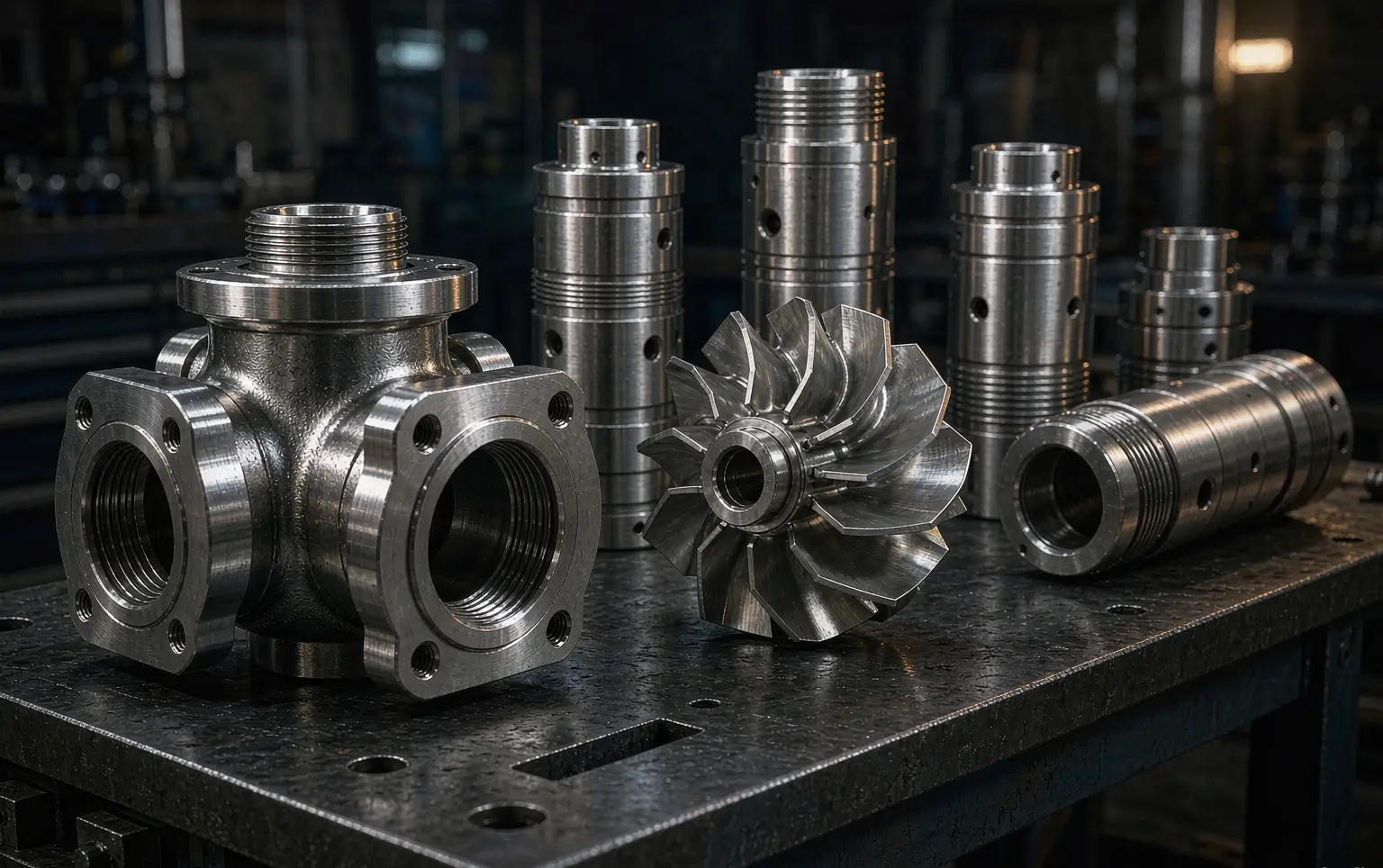
Flexspline Machining: This thin-walled, elastic component requires advanced hobbing or skiving to achieve tooth profiles with micron-level accuracy (AGMA Class 10+). Post-machining heat treatment (precipitation hardening) and specialized grinding are critical to prevent fatigue failure. Inferior processes lead to reduced torsional stiffness and shorter lifespan.
Circular Spline & Wave Generator Precision: These components demand grinding and honing to achieve surface finishes below Ra 0.4 µm and geometric tolerances within 5 µm for true zero-backlash operation. Lower-cost alternatives use lower-grade bearings or simplified profiles, increasing hysteresis and compromising the sensitive force feedback essential for collaboration.
Integrated Torque Sensing: True collaborative safety requires joint-level torque sensing, not just current monitoring. This involves machining special torsion bars or applying strain gauges to precisely machined surfaces. The calibration and packaging of these sensors add significant cost but are non-negotiable for reliable force limitation per ISO/TS 15066.
2. Arm Structure: Stiffness, Weight, and Dynamic Performance
The cobot arm must be exceptionally stiff to minimize vibration yet lightweight to enhance payload-to-weight ratio and safety. This dichotomy is solved through advanced design and machining.
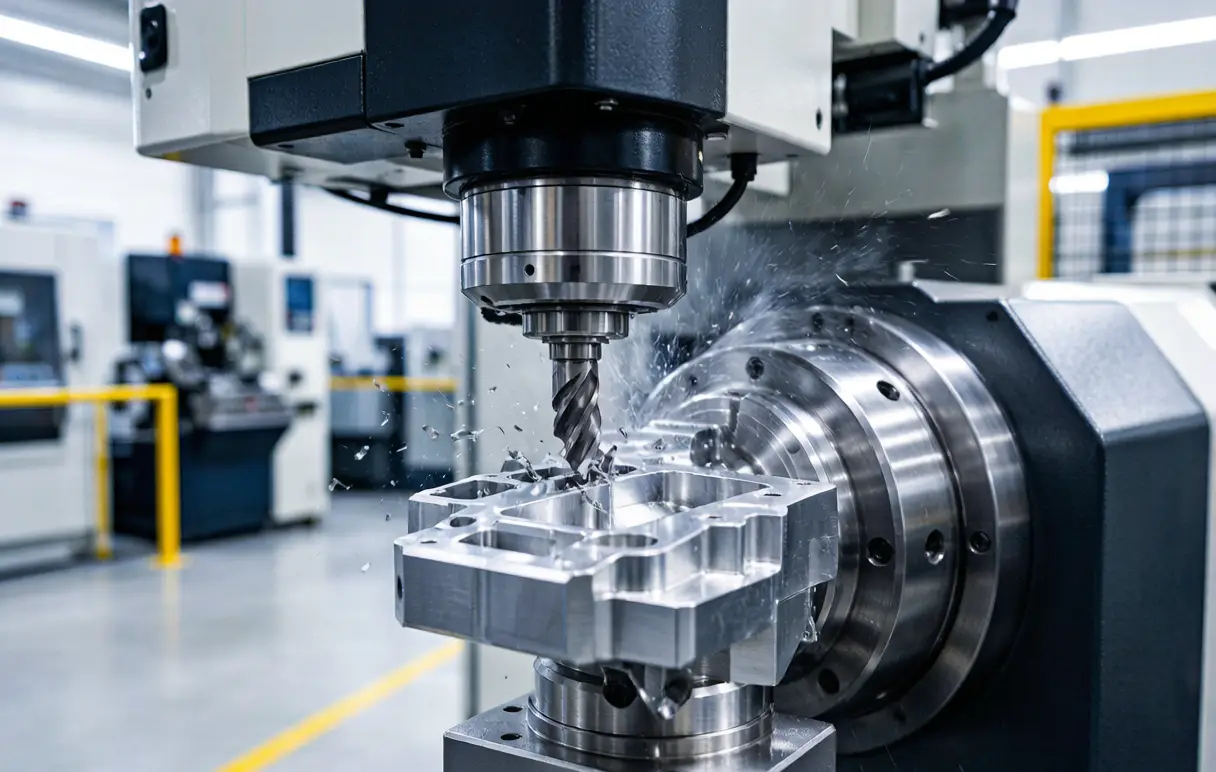
Material Selection & Machining: High-end arms use aircraft-grade aluminum alloys (e.g., 7075-T651) or carbon fiber composites, machined using 5-axis CNC to create complex, topology-optimized structures. These processes remove excess material to create stiff, lightweight monocoque or spar-rib designs. Economy models may use simpler, heavier castings or welded assemblies with lower natural frequencies, limiting maximum acceleration and causing settling time delays.
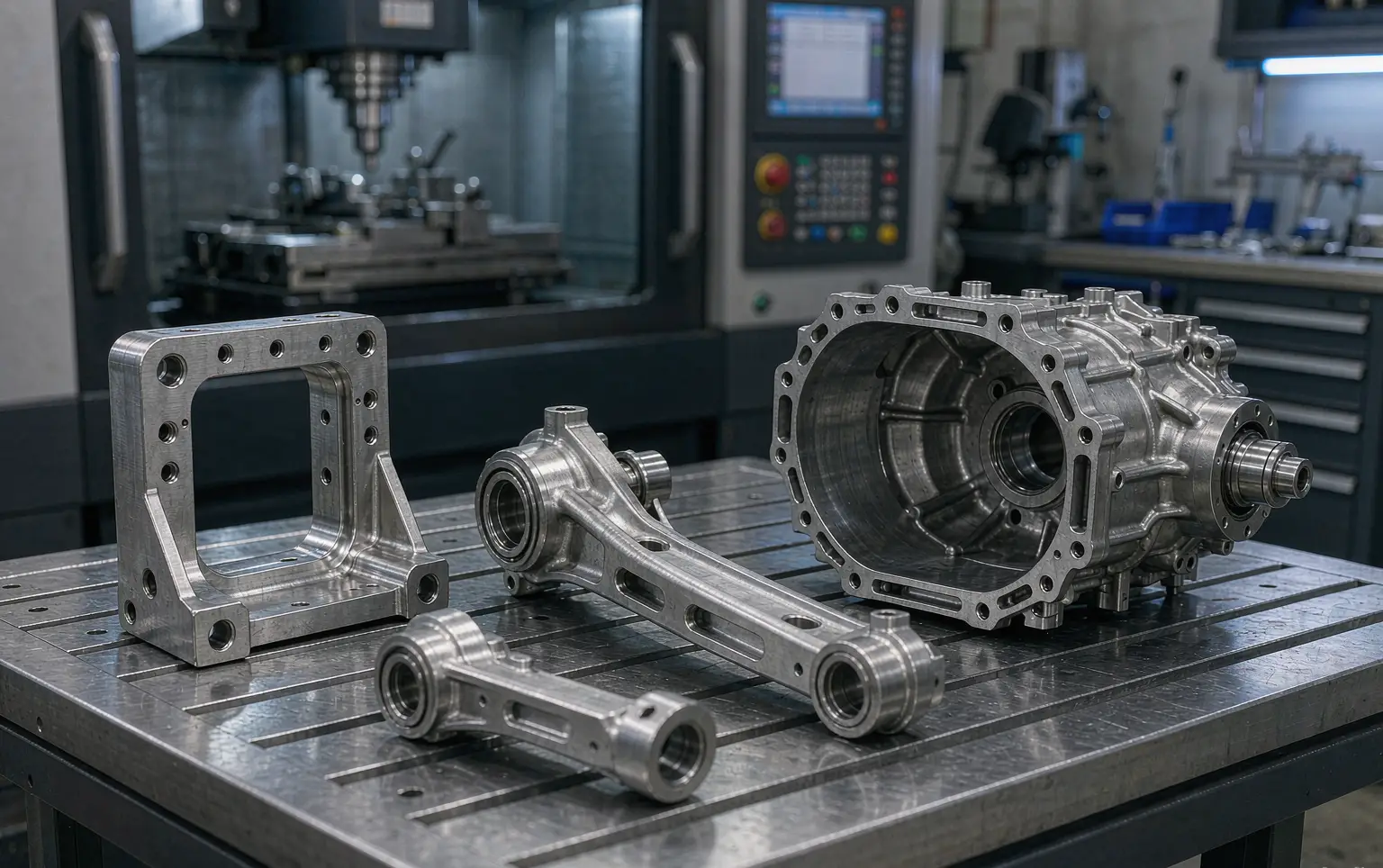
Bearing Surfaces & Alignment: The machined interfaces for joint bearings must have perpendicularity and concentricity within 0.01 mm to prevent binding and uneven wear. Achieving this across a multi-link arm requires high-precision, multi-pallet machining centers and rigorous inspection via CMM.
Manufacturing Quality: The Invisible Line in the Collaborative Robots (Cobots) Price
Two cobots with identical reach and payload specs can have wildly different prices due to manufacturing depth.
Table 1: Cobot Price Tier & Manufacturing Correlation
Component / Feature
Economy Tier (Lower Price)
Performance Tier (Mid Price)
Premium/Safety-Critical Tier (Higher Price)
Arm Structure
Extruded or cast aluminum, welded joints. Minimal machining.
CNC-machined from billet 6061-T6. Stress-relieved. Lightweight pockets.
Topology-optimized, 5-axis machined from 7075-T73 or composite. Full finite element analysis (FEA) validation.
Joint Reducer
Standard harmonic drive from cost-optimized supplier. Limited performance data.
Branded harmonic drive (HD, Leaderdrive) with certified torque/backlash specs.
Custom-engineered reducer with enhanced stiffness, certified zero-backlash, and lifetime lubrication.
Bearing Quality
Commercial-grade deep groove ball bearings.
Precision angular contact bearings (P4 or ABEC 7 equivalent).
Matched-set, pre-loaded ceramic hybrid bearings for low friction and long life.
Force Sensing
Motor current-based estimation only.
Joint torque sensors with 16-bit resolution.
Redundant, cross-validated joint torque sensors plus external 6-axis F/T sensor interface. Certified to PL d/SIL 2.
Wiring & Connectors
Standard cable harness, plastic connectors.
Over-molded, shielded cables with IP-rated metal connectors.
Fully integrated, service-loop designed cabling with quick-disconnect, EMI-shielded connectors.
Software & Control
Basic path planning, limited I/O.
Advanced path optimization, force-guided motions, extensive I/O and fieldbus.
Certified functional safety (FS-PLC), predictive collision detection, digital twin integration.
Expected Positioning Repeatability
±0.1 mm
±0.05 mm
±0.02 mm
Mean Time Between Failure (MTBF)
8,000 – 15,000 hours
20,000 – 40,000 hours
50,000+ hours
The Total Cost of Ownership (TCO) Equation
The initial collaborative robots (cobots) price is just one variable. The true cost is calculated over its operational life.
TCO = Acquisition Price + (Installation & Integration) + (Annual Maintenance × Years) + (Downtime Cost × Failure Rate) + (Performance Inefficiency Cost) – Resale Value
Acquisition Price: The initial purchase.
Installation & Integration: Costs are similar across tiers, but premium cobots often have easier programming and calibration, reducing this cost.
Annual Maintenance: Economy models may require lubrication, belt tensioning, or bearing replacement every 4,000-6,000 hours. Premium models with sealed, lifelong lubricated reducers and higher-grade bearings can exceed 20,000 hours of maintenance-free operation.
Downtime Cost: This is the critical multiplier. A failure on a high-volume production line can cost thousands per hour. The higher reliability (MTBF) of premium components directly reduces this risk.
Performance Inefficiency: A slower cobot due to vibration limitations or a less precise cobot producing more scrap has a hidden ongoing cost. The higher dynamic performance and repeatability of a well-made cobot increase effective throughput.
Resale Value: Robots with reputations for durability and precision retain higher residual values.
Case Studies: Price vs. Outcome in Real Applications
Case Study 1: The “Bargain” Cobot in Electronics Assembly
Scenario: A contract electronics manufacturer purchased low-price collaborative robots (cobots) for PCB population and testing. Within 9 months, positional drift exceeded 0.15mm, causing misinsertions.
Technical Autopsy: JLYPT disassembly revealed the cause: the harmonic drive flexsplines showed abnormal wear. Metallurgical analysis indicated inconsistent case hardening depth (0.2mm vs. spec 0.5mm) and residual grinding burns on the tooth flanks, signs of cost-driven manufacturing shortcuts.
Financial Impact: The cost of scrapped PCBs, line downtime for recalibration, and eventual joint replacement far exceeded the price difference to a mid-tier cobot. The TCO of the lower-priced option became significantly higher within the first year.
Case Study 2: Investing in Precision for Pharmaceutical Handling
Scenario: A pharma company needed a cobot for aseptic handling of vial trays. They selected a premium-priced model known for its sub-0.03mm repeatability and cleanroom compatibility.
Manufacturing Value: This cobot’s arm was machined from a single stainless steel billet (316L) on a 5-axis CNC, allowing smooth, crevice-free surfaces that could be electropolished to Ra <0.4 µm. Its joints used specially lubricated, sealed reducers to prevent outgassing. The high initial collaborative robots (cobots) price was justified by:
Zero particulate generation.
Unwavering precision for delicate handling.
Elimination of validation risks associated with maintenance-induced contamination.
ROI: The system passed stringent FDA audit trails with ease and operated for three shifts daily without failure, providing a rapid return on investment through flawless operation and regulatory compliance.
Case Study 3: The Mid-Tier Workhorse for Automotive Sub-Assembly
Scenario: An automotive supplier deployed a fleet of mid-price range cobots for applying adhesive and seating gaskets. The key requirement was sustained accuracy under constant use.
Engineering Balance: These cobots used CNC-machured 6061-T6 arms for stiffness and reputable, off-the-shelf harmonic drives. The collaborative robots (cobots) price reflected a balance: not the absolute cheapest components, but proven, reliably manufactured ones.
Outcome: The cobots maintained ±0.05mm accuracy over 20,000 hours with only scheduled preventative maintenance (greasing). The initial price was higher than the budget option, but the predictable performance and low unscheduled downtime delivered the optimal TCO for this high-utilization, precision-sensitive task.
The JLYPT Perspective: Price as a Proxy for Manufacturing Intent
As precision machinists, we see the direct link between a component’s cost and its manufacturing journey. A cobot’s price signals the manufacturer’s commitment to:
Advanced Machining: Using 5-axis CNC for complex, rigid structures versus simple 3-axis machining or casting.
Metrology & Quality Control: Implementing in-process probing, post-process CMM verification, and statistical process control (SPC) to ensure every gear and housing meets print.
Material Integrity: Sourcing certified raw materials with proper heat treatment and lot traceability.
Design for Reliability: Incorporating adequate safety factors, proper seal designs, and serviceable architectures, all of which add cost but prevent future expense.
Conclusion: Making an Informed Investment
Evaluating collaborative robots (cobots) price requires a forensic look beneath the specifications. The true determinant of value is not the purchase price, but the total cost of ownership, which is engineered into the robot through:
Precision of its fundamental mechanical components (gears, bearings, structures).
Reliability of its safety-critical systems (torque sensors, control electronics).
Robustness of its design and manufacturing against wear and tear.
A higher initial investment in a cobot built with precision-machined, high-grade components is typically a hedge against future downtime, quality issues, and premature replacement. It is an investment in predictable, productive, and safe automation.
Seeking cobot components or enclosures machined to the highest standards for reliability? Contact JLYPT. Our expertise in machining mission-critical components for aerospace and medical devices ensures that any robotic element we produce contributes to performance that justifies its price through superior longevity and accuracy.