Engineering Excellence: Precision Components for Warehouse Automation Robots
Precision Engineering for Logistics Transformation: Manufacturing Components for Warehouse Automation Robots
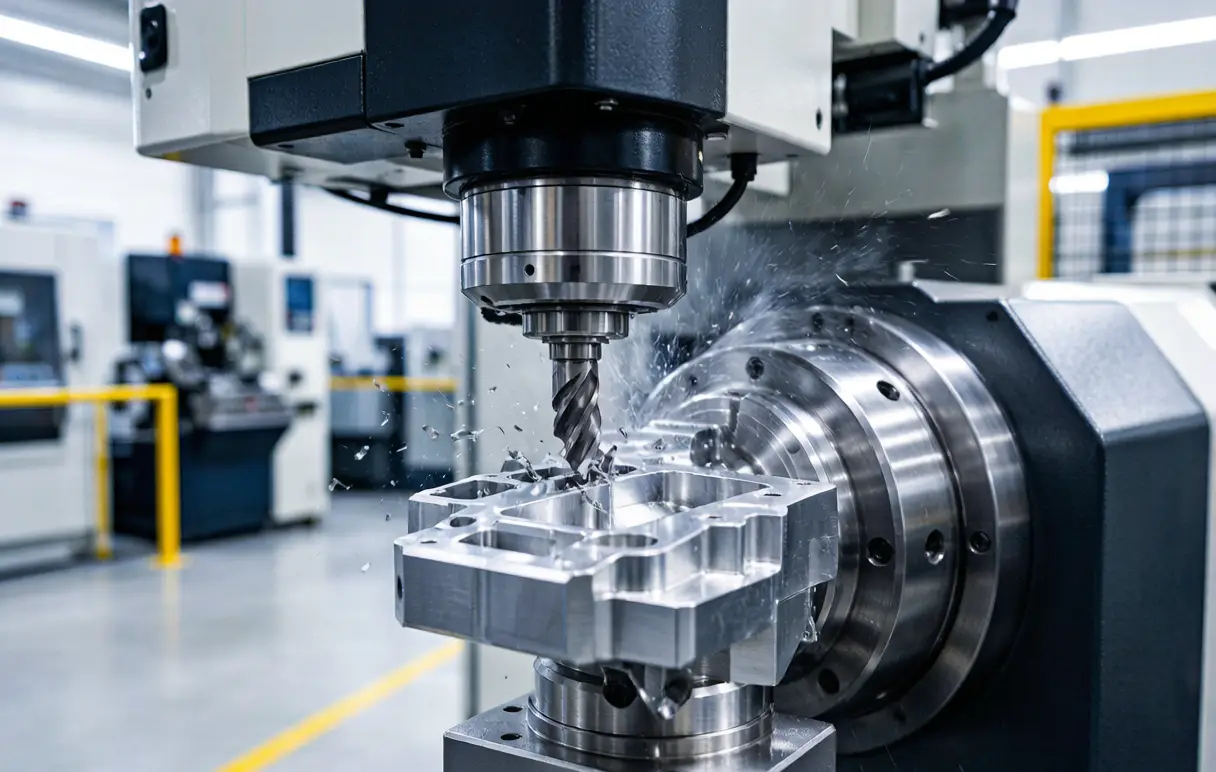
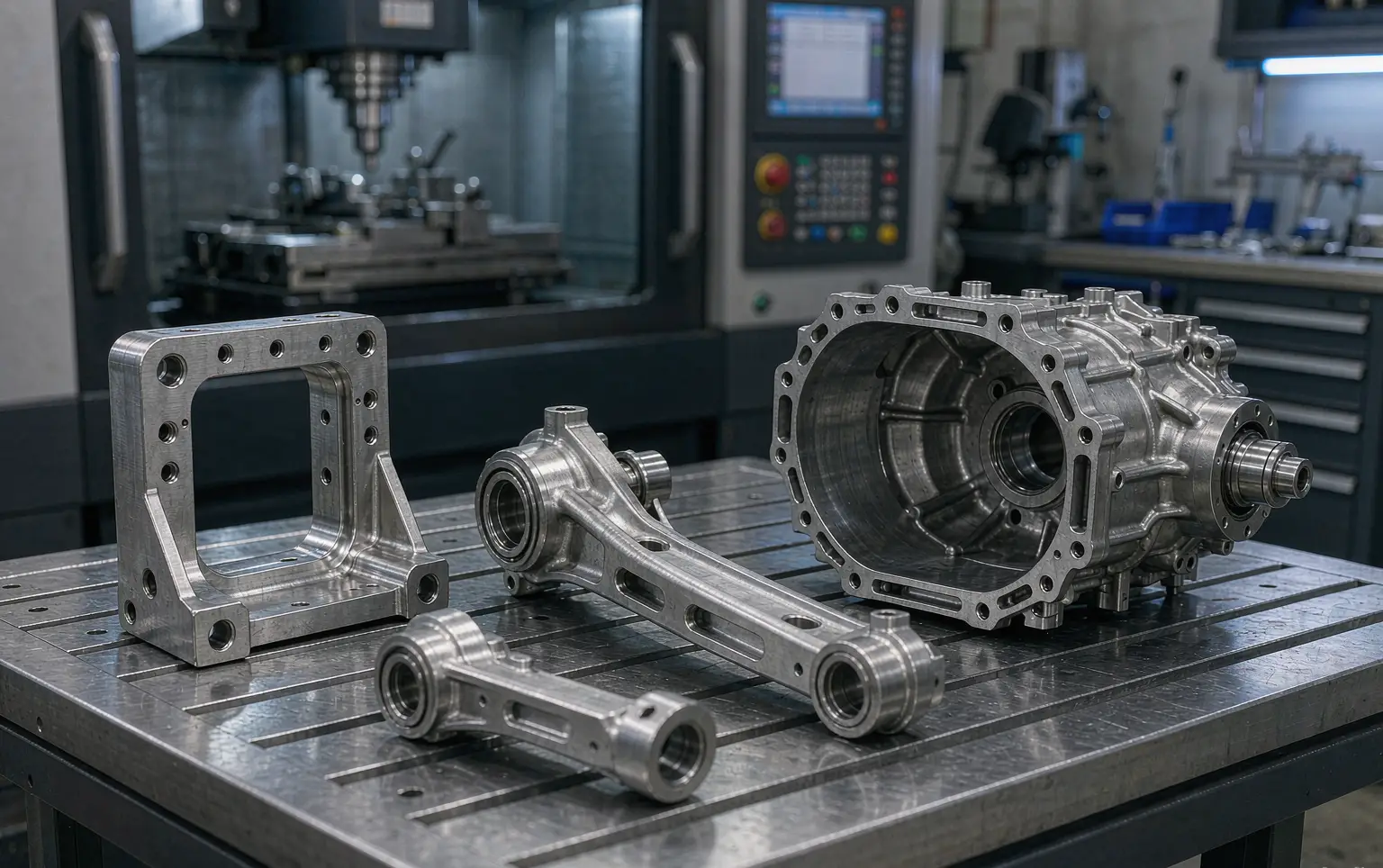
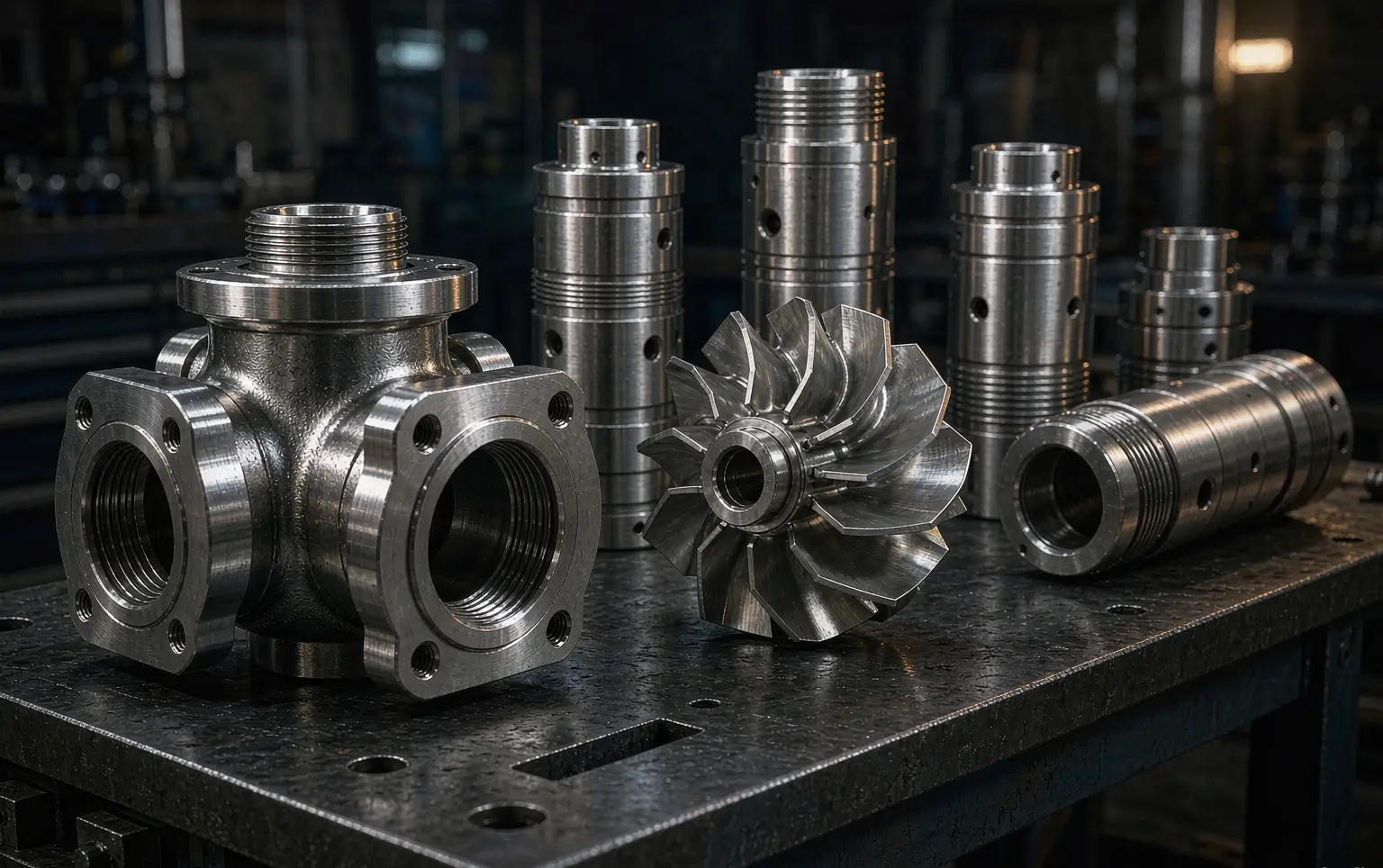
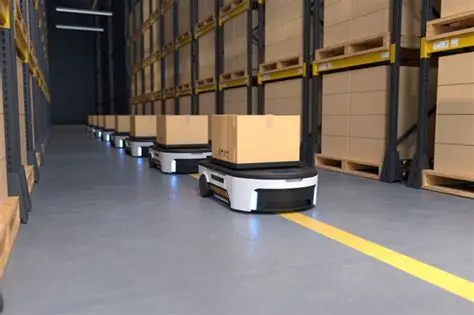
The global logistics revolution has been fundamentally enabled by advanced warehouse automation robots, sophisticated systems that combine mechanical engineering, artificial intelligence, and precision manufacturing to optimize material handling, storage, and distribution operations. These automated systems represent some of the most demanding applications of precision manufacturing, requiring components that can withstand continuous operation, heavy loads, and complex environmental conditions while maintaining exceptional reliability. At JLYPT, our expertise in manufacturing precision components for warehouse automation robots encompasses the complete spectrum of logistics automation, from Automated Guided Vehicles (AGVs) and Autonomous Mobile Robots (AMRs) to Automated Storage and Retrieval Systems (AS/RS) and robotic picking systems, delivering the mechanical foundation that enables 24/7 warehouse operations.
The Mechanical Engineering Foundation of Warehouse Automation
The performance and reliability of warehouse automation robots depend fundamentally on the precision and durability of their mechanical components:
Structural Integrity and Dynamic Performance
-
Vibration and Shock Resistance: Warehouse robots operate in environments with uneven floors, dock plates, and variable loads, requiring components designed to withstand dynamic loading conditions following:
σ_dynamic = σ_static × K_v × K_s
Where K_v is velocity factor and K_s is shock factor, necessitating robust designs and proper material selection -
Thermal Management in Continuous Operation: 24/7 operations generate significant heat in motors, drives, and control systems, requiring:
Q_dissipated = h × A × (T_surface - T_ambient)
Optimized through strategic material selection and heat sink designs in structural components -
Weight-to-Strength Optimization: For mobile robots, every kilogram saved translates to reduced energy consumption and increased payload capacity:
Payload Efficiency = (Maximum Payload) / (Robot Weight)
Maximized through topology-optimized designs and advanced material applications
Precision Motion Control Requirements
-
Positioning Accuracy in Dynamic Environments: Mobile robots must maintain positioning accuracy despite wheel slip, floor variations, and payload changes:
Positional Error = f(Encoder Resolution, Wheel Diameter Tolerance, Gear Backlash, Structural Deflection)
Minimized through precision machining of critical interfaces -
Load-Induced Deflection Control: Robotic arms in picking systems must maintain accuracy under variable loads:
θ_deflection = (F × L^3) / (3 × E × I)
Where E is Young’s modulus and I is moment of inertia, optimized through proper cross-sectional design and material selection -
Wear Resistance for Continuous Operation: Components in constant motion require exceptional wear characteristics, with wear rates following:
Wear Volume = (K × F × S) / H
Where K is wear coefficient, F is load, S is sliding distance, and H is material hardness
Critical Components in Warehouse Automation Systems
Automated Guided Vehicles (AGVs) and Autonomous Mobile Robots (AMRs)
-
Drive Unit Components: Precision gearboxes, wheel hubs, and motor mounts requiring:
-
Concentricity within 0.01mm for smooth operation
-
Surface hardness of 55-60 HRC for wear surfaces
-
Thermal stability for continuous duty cycles
-
-
Chassis and Frame Structures: Load-bearing structures requiring:
-
Flatness within 0.1mm/m for proper component alignment
-
Weight-optimized designs with strategic reinforcement
-
Proper heat treatment for dimensional stability
-
-
Lift Mechanism Components: For pallet handling and lifting applications:
-
Scissor lift arms with precise pivot points
-
Lead screws and nuts with lead accuracy within 0.01mm/100mm
-
Bearing surfaces with surface finishes below Ra 0.8μm
-
Automated Storage and Retrieval Systems (AS/RS)
-
Shuttle and Crane Components: For high-speed storage and retrieval:
-
Guide rail interfaces with straightness within 0.05mm/m
-
Gear racks with cumulative pitch error below 0.02mm/100mm
-
Wheel and bearing surfaces hardened to 58-62 HRC
-
-
Vertical Lift Mechanisms: For multi-level storage systems:
-
Timing belt pulleys with precise tooth profiles
-
Guide columns with perpendicularity within 0.01mm/100mm
-
Bearing blocks with bore concentricity within 0.005mm
-
Robotic Picking and Packing Systems
-
End-Effector Components: Grippers, suction cups, and tool changers requiring:
-
Lightweight designs with sufficient stiffness
-
Precise alignment features for tool changing
-
Wear-resistant surfaces for continuous operation
-
-
Vision System Mounts: For camera and sensor positioning:
-
Vibration-damping characteristics
-
Thermal stability for consistent calibration
-
Precise angular adjustment capabilities
-
Material Selection for Warehouse Applications
Structural Material Requirements
Material Class Specific Applications Key Properties Machining Considerations Aluminum Alloys AGV chassis, robot arms, structural frames High strength-to-weight ratio, good corrosion resistance Requires sharp tools, proper chip evacuation, thermal management Steel Alloys Gears, shafts, high-wear components High strength, good wear resistance, cost-effective Requires proper tool geometry, cutting fluids, may need stress relieving Stainless Steels Food-grade applications, corrosive environments Excellent corrosion resistance, cleanability Work hardening requires consistent feed rates, sharp tools Engineering Plastics Bearings, bushings, wear strips Self-lubricating, corrosion resistant, lightweight Requires special tooling, thermal management to prevent melting Composite Materials High-speed components, lightweight structures Exceptional strength-to-weight, vibration damping Requires diamond-coated tools, proper dust extraction
Surface Treatment Requirements
-
Hard Anodizing (Type III): For aluminum components in high-wear applications, achieving surface hardness to 60-70 HRC
-
Electroless Nickel Plating: For corrosion resistance and improved wear characteristics on steel components
-
Black Oxide Coating: For corrosion resistance and reduced light reflection in vision system areas
-
PVD Coatings: For extreme wear resistance on cutting tools and high-wear surfaces
Precision Manufacturing Capabilities
Table 1: Manufacturing Specifications for Warehouse Robot Components
Component Category Primary Process Tolerance Requirements Surface Finish Material Options Production Volume AGV Wheel Hubs CNC Turning, Boring ±0.01mm concentricity Ra 0.8-1.6μm Steel, Aluminum 100-10,000 units Robot Arm Links 5-Axis Milling ±0.02mm positional Ra 0.4-0.8μm Aluminum, Composites 50-5,000 units Gear Components Hobbing, Grinding AGMA Class 8-10 Ra 0.2-0.4μm Steel, Bronze 100-50,000 units Guide Rails Precision Grinding ±0.01mm straightness Ra 0.1-0.2μm Steel, Stainless 10-1,000 units Sensor Mounts Multi-Axis Machining ±0.005mm positional Ra 0.8-1.6μm Aluminum, Plastics 100-20,000 units Structural Frames Large-Format Milling ±0.1mm flatness Ra 1.6-3.2μm Aluminum, Steel 10-500 units Bearing Housings Boring, Grinding IT6-IT7 tolerance Ra 0.4-0.8μm Steel, Cast Iron 100-10,000 units Fastener Components CNC Turning, Threading ±0.02mm dimensional Ra 1.6-3.2μm Steel, Stainless 1,000-100,000 units
Advanced Machining Technologies
-
5-Axis Simultaneous Machining: For complex robotic arm components and end-effector geometries
-
Turn-Mill Centers: For complete machining of wheel hubs and rotational components
-
High-Speed Machining: For aluminum components with cycle time optimization
-
Micro-Machining: For small, precise features in sensor components and connectors
Quality Assurance Systems
-
In-Process Inspection: Probing and measurement during machining operations
-
Coordinate Measuring Machines: Volumetric accuracy to 1.8 + L/350 μm for complete component verification
-
Surface Roughness Analysis: Quantitative measurement of surface finishes
-
Material Verification: Chemical and mechanical property testing
Case Study Applications
Case Study 1: High-Speed E-commerce Fulfillment System
-
Challenge: A major e-commerce fulfillment center required robotic picking systems capable of handling 1,200 items per hour with 99.9% accuracy. The existing systems suffered from component wear and required frequent recalibration.
-
Solution: JLYPT designed and manufactured precision robotic arm components using 7075-T6 aluminum with hard anodized wear surfaces. We implemented specialized gearboxes with zero-backlash harmonic drives and manufactured custom end-effector interfaces with quick-change capabilities. All components were balanced for high-speed operation.
-
Result: Achieved sustained throughput of 1,350 items per hour with 99.95% accuracy. Component life increased by 300%, and maintenance intervals extended from weekly to quarterly. The system enabled 24/7 operation with minimal downtime.
Case Study 2: Automated Pharmaceutical Distribution Center
-
Challenge: A pharmaceutical distributor needed automated storage and retrieval systems for temperature-controlled environments with strict cleanroom requirements and zero contamination risk.
-
Solution: We manufactured AS/RS components from 316L stainless steel with electropolished surfaces to Ra 0.2μm. All components were designed with crevice-free geometries and manufactured in controlled environments. Special attention was given to thermal expansion characteristics to maintain precision across temperature variations.
-
Result: Achieved ISO Class 7 cleanroom compatibility with particle generation rates below specified limits. The system maintained positioning accuracy of ±0.5mm across temperature ranges of 2-8°C, enabling reliable automated handling of pharmaceutical products.
Case Study 3: Heavy-Duty Automotive Parts Warehouse
-
Challenge: An automotive parts distributor required AGVs capable of handling pallets up to 2,000kg across uneven concrete floors with slopes up to 3%. Existing systems experienced premature component failure and alignment issues.
-
Solution: JLYPT engineered heavy-duty AGV components using high-strength steel alloys with specialized heat treatments. We manufactured oversized wheel bearings with enhanced sealing, reinforced chassis components with strategic ribbing, and precision gearboxes with increased torque capacity. All components were tested under accelerated life conditions.
-
Result: AGVs achieved reliable operation with 2,500kg capacity and maintained alignment accuracy within ±10mm over 100m travel. Component life increased by 400%, and the system achieved 99.8% uptime in continuous 3-shift operation.
Technical Specifications and Performance Metrics
Performance Requirements for Warehouse Automation Components
Performance Parameter Minimum Requirement Target Performance Premium Specification Positioning Accuracy ±5.0mm ±2.0mm ±0.5mm Repeatability ±2.0mm ±1.0mm ±0.2mm Maximum Payload 500kg 1,000kg 2,000kg Operating Speed 1.0 m/s 2.0 m/s 3.0 m/s Uptime Requirement 95% 98% 99.5% Mean Time Between Failures 5,000 hours 10,000 hours 20,000 hours Environmental Rating IP54 IP65 IP67 Noise Level 75 dB 70 dB 65 dB Energy Efficiency 80% 85% 90% Maintenance Interval 500 hours 1,000 hours 2,000 hours
Manufacturing Process Optimization
Design for Manufacturing Considerations
-
Modular Design Approaches: Enabling component replacement without complete system disassembly
-
Standardization of Interfaces: Reducing custom tooling requirements and enabling mass production benefits
-
Accessibility for Maintenance: Designing components for easy inspection and replacement
-
Corrosion Protection: Implementing proper material selections and surface treatments for warehouse environments
Production Efficiency Strategies
-
Batch Production Optimization: Grouping similar components for efficient machining sequences
-
Tooling Standardization: Reducing setup times through common tooling approaches
-
Quality at Source: Implementing inspection processes during manufacturing rather than after completion
-
Lean Manufacturing Principles: Minimizing waste in material, time, and energy
Supply Chain Management
-
Material Traceability: Complete documentation from raw material to finished component
-
Inventory Optimization: Just-in-time delivery of components to minimize storage requirements
-
Supplier Quality Management: Rigorous qualification and monitoring of material suppliers
-
Logistics Integration: Coordinated delivery schedules to match production requirements
Future Trends in Warehouse Automation Manufacturing
Advanced Material Applications
-
Composite Materials: Increasing use of carbon fiber and other composites for weight reduction
-
Smart Materials: Integration of materials with sensing capabilities for condition monitoring
-
High-Performance Alloys: Development of specialized alloys for extreme warehouse conditions
-
Sustainable Materials: Increasing focus on recyclable and environmentally friendly materials
Manufacturing Technology Evolution
-
Additive Manufacturing: For complex internal structures and lightweight designs
-
Artificial Intelligence in Manufacturing: Predictive maintenance and quality control through AI algorithms
-
Digital Twin Technology: Virtual models of manufacturing processes for optimization
-
Advanced Robotics in Manufacturing: Increased automation in component production
Sustainability Considerations
-
Energy-Efficient Designs: Optimization for reduced energy consumption in operation
-
Lifecycle Assessment: Comprehensive evaluation of environmental impact
-
Circular Economy Principles: Design for disassembly and material recovery
-
Waste Reduction Strategies: Minimization of material waste in manufacturing processes
Quality and Reliability Assurance
Testing and Validation Protocols
-
Accelerated Life Testing: Simulating years of operation in condensed timeframes
-
Environmental Testing: Verification of performance under specified warehouse conditions
-
Load Testing: Validation of components under maximum and dynamic loading conditions
-
Safety Testing: Verification of safety systems and fail-safe mechanisms
Documentation and Compliance
-
Technical Documentation: Complete records of design, manufacturing, and testing
-
Regulatory Compliance: Adherence to relevant standards and regulations
-
Certification Management: Maintaining necessary certifications for different industries
-
Change Management: Controlled processes for design and manufacturing changes
Continuous Improvement Processes
-
Failure Analysis: Systematic investigation of component failures for root cause identification
-
Process Optimization: Ongoing improvement of manufacturing processes
-
Technology Upgrades: Regular evaluation and implementation of new manufacturing technologies
-
Customer Feedback Integration: Incorporation of field experience into design improvements
Conclusion: Engineering the Future of Warehouse Automation
The evolution of warehouse automation robots represents one of the most significant transformations in modern logistics and supply chain management. These sophisticated systems combine advanced mechanical engineering, precision manufacturing, and intelligent control to optimize warehouse operations, reduce costs, and improve efficiency. The reliability and performance of these systems depend fundamentally on the quality and precision of their mechanical components.
At JLYPT, our commitment to manufacturing excellence for warehouse automation robots encompasses every aspect of component production, from initial design consultation through precision manufacturing and rigorous quality assurance. We combine advanced manufacturing technologies with deep application expertise to deliver components that meet the demanding requirements of modern warehouse automation systems.
Ready to enhance your warehouse automation systems with precision-engineered components? Contact JLYPT today to discuss your specific requirements with our engineering team. Our expertise in precision manufacturing for warehouse automation applications ensures that your robotic systems achieve optimal performance, reliability, and efficiency.