The Architect of Automation: A Strategic Guide to Robotics System Integrators for Precision CNC Manufacturers
Introduction: Bridging the Gap Between Precision Machining and Automated Production
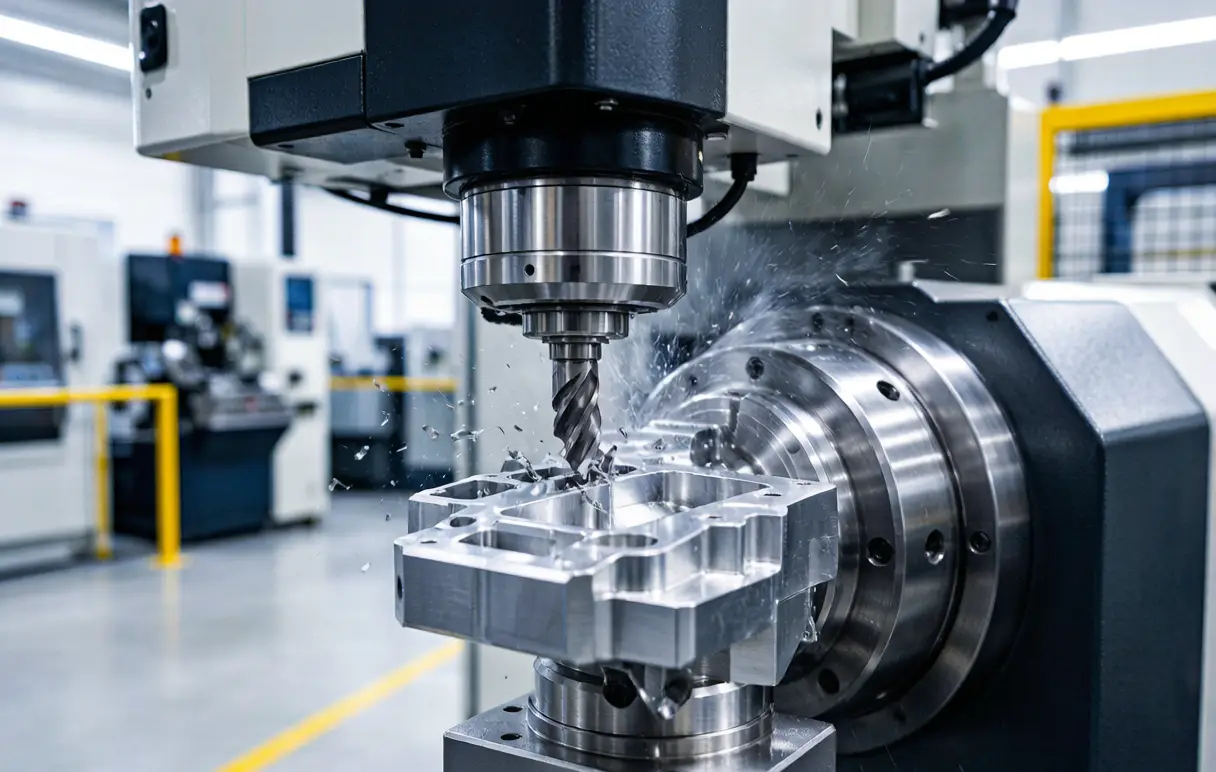
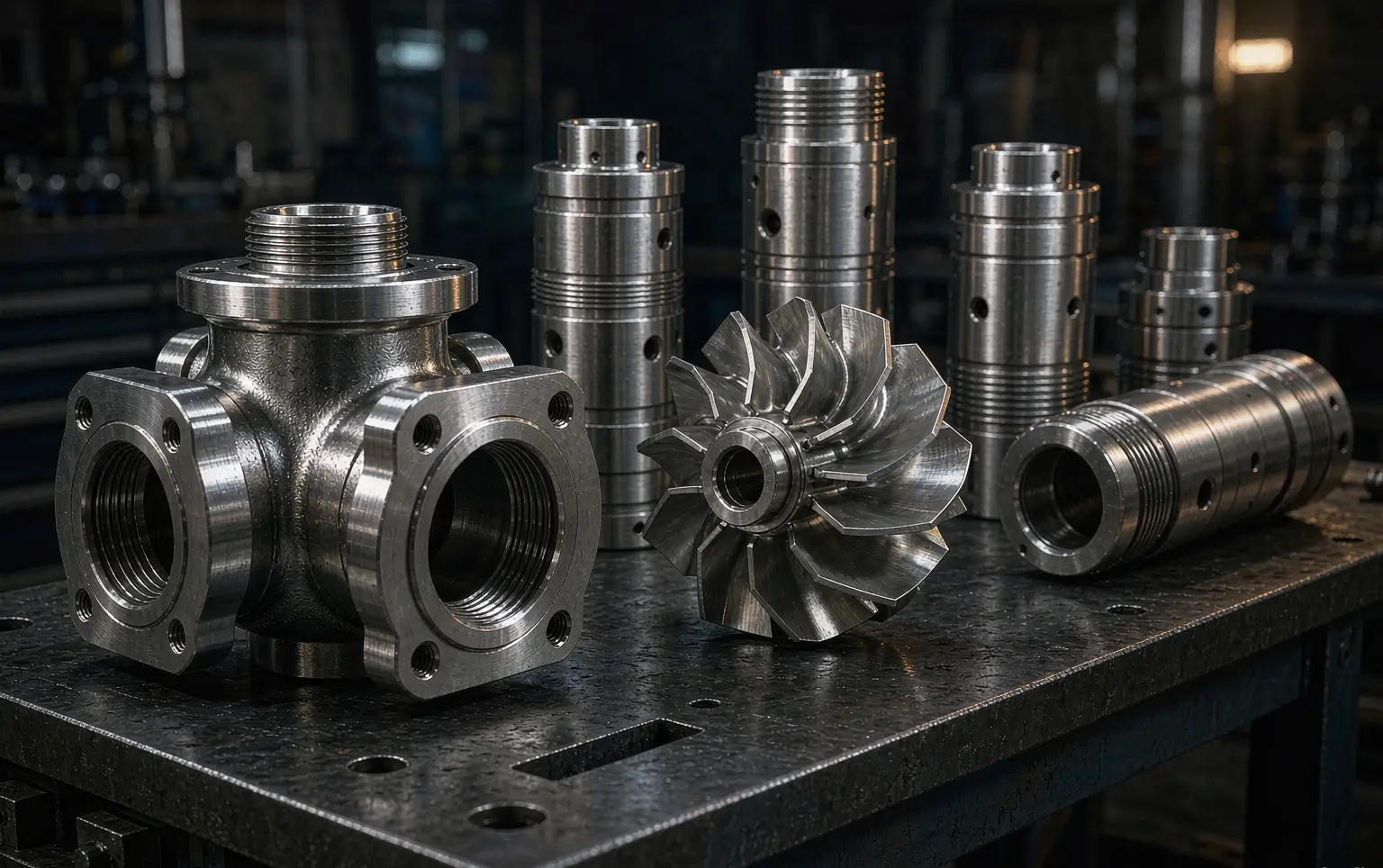
In the competitive field of modern manufacturing, excellence in CNC machining is a necessary foundation, but it is no longer a sufficient advantage. Companies like JLYPT excel at transforming digital designs into physical reality with micron-level accuracy, producing components with tolerances as tight as ±0.005 mm and flawless surface finishes. However, the true potential of these precision parts is often enabled only when they are smoothly assembled, inspected, and handled within a larger, automated system. This critical leap from isolated machining excellence to integrated production intelligence is the exclusive domain of the robotics system integrator. These specialists are the essential architects who translate the promise of automation into tangible, reliable, and profitable production cells. For any precision manufacturer looking to scale, innovate, or secure a competitive edge, understanding and partnering with the right robotics system integrator is not an option, it is a strategic imperative.
This guide is crafted from the perspective of a precision machining partner. We will dissect the multifaceted role of the robotics system integrator, provide a framework for selecting the ideal partner, and demonstrate through detailed case studies how this collaboration can transform CNC machining operations from cost centers into hubs of agile, high-mix, and high-output manufacturing.
Section 1: Deconstructing the Role of a Robotics System Integrator
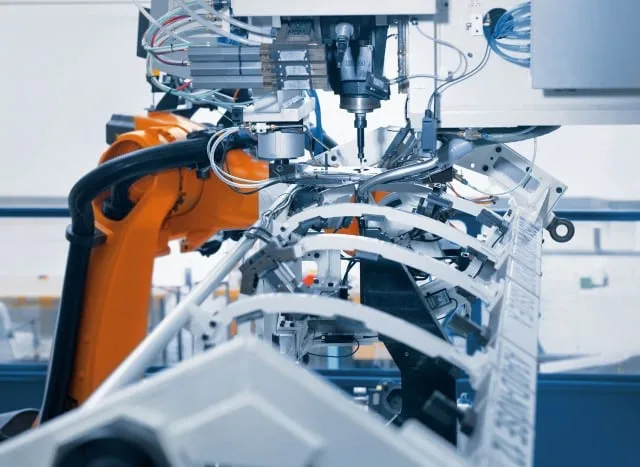
A robotics system integrator is far more than an installer or programmer. They are engineering firms that specialize in designing, building, programming, and commissioning complete automated work cells or production lines. Their core value lies in synthesizing disparate technologies, robots, CNC machines, vision systems, conveyors, and custom tooling, into a cohesive, efficient, and intelligent system.
1.1 Core Competencies and Deliverables
A proficient integrator brings a holistic skill set to the table:
-
Systems Design & Simulation: Using software like RoboDK, Siemens Process Simulate, or FANUC ROBOGUIDE, they create a digital twin of the proposed cell. This allows for collision detection, cycle time optimization, and layout validation before any metal is cut or equipment is purchased, de-risking the entire project.
-
Mechanical & Electrical Engineering: They design and specify all non-robot components: custom end-of-arm tooling (EOAT), precision fixtures, safety guarding (per ISO 10218 and ISO 13849 standards), pneumatic circuits, and control panels. This is where deep knowledge of materials, mechanics, and manufacturability is critical.
-
Software & Control System Integration: This is the “central nervous system.” Integrators program not only the robot but also the overarching Programmable Logic Controller (PLC) that orchestrates the robot, CNC machine, sensors, and peripherals. They establish communication protocols (e.g., EtherNet/IP, PROFINET, MTConnect) to ensure smooth data exchange.
-
Commissioning & Validation: The integrator is responsible for the on-site installation, fine-tuning, and final runoff of the system. They conduct the Site Acceptance Test (SAT), proving the cell meets all predefined performance metrics for throughput, quality, and safety.
1.2 The Critical CNC-Integrator Interface
The relationship between a machine shop and an integrator is symbiotic. The integrator relies on the shop’s expertise for:
-
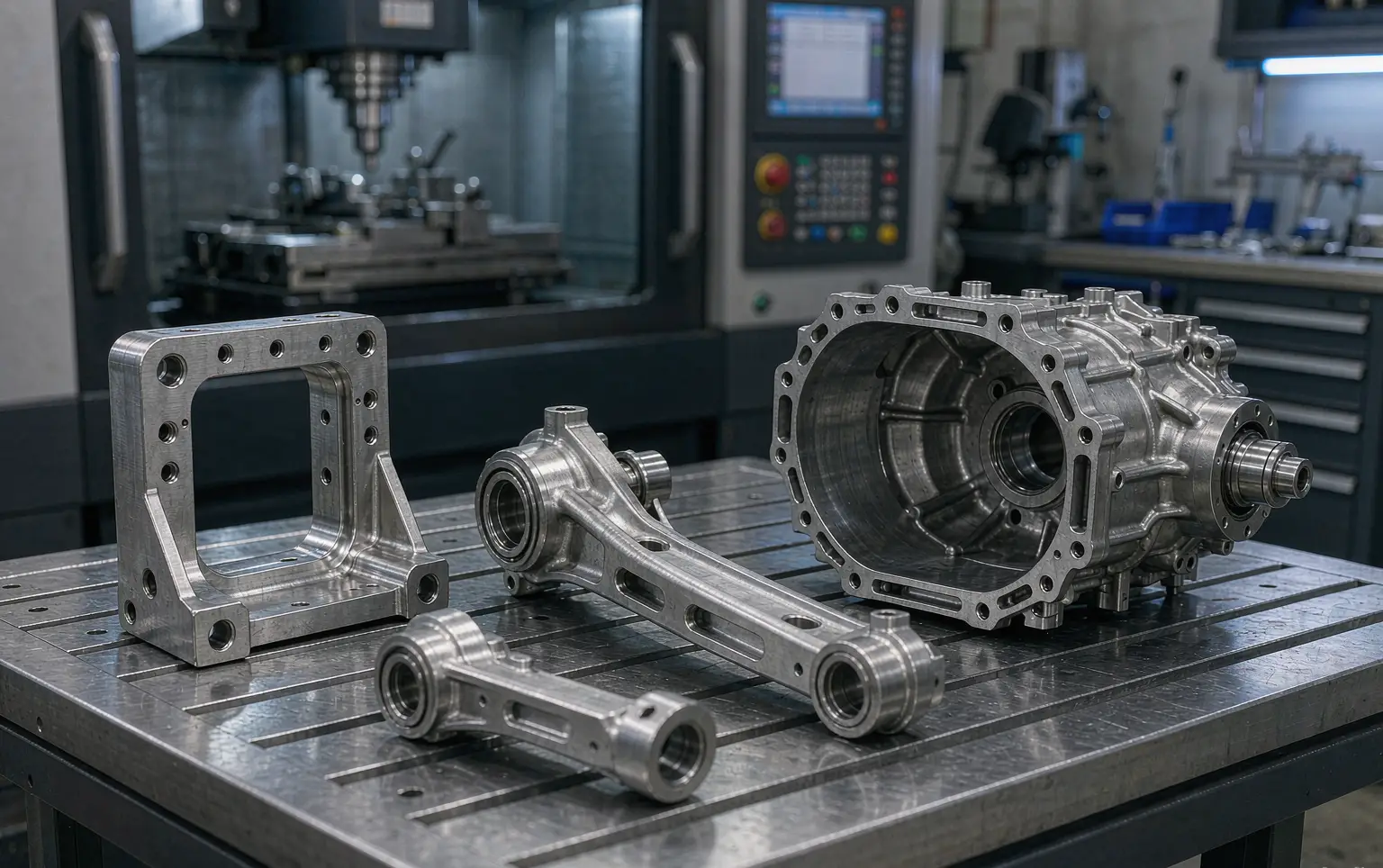
Precision Components: The fixtures, gripper jaws, adapter plates, and sensor mounts that form the cell’s physical interface must be machined to exacting standards. A partner like JLYPT, capable of 5-axis milling and achieving sub-micron accuracies, is indispensable for ensuring the repeatability and longevity of the automated system.
-
Design for Automation (DFA) Consultation: Early collaboration can identify potential pitfalls. Can the part be gripped reliably? Are there datum features for vision alignment? Is the material compatible with high-speed handling? Involving both the machinist and integrator in the product design phase can dramatically streamline automation.
Table 1: Project Methodology: In-House vs. Integrator-Led Automation
Project Phase DIY / In-House Approach Professional Integrator-Led Approach Impact on CNC Manufacturer Feasibility & Design Internal team split between daily ops and project design; limited simulation capability. Dedicated engineering team performs detailed process analysis, simulation, and risk assessment. Reduces hidden costs and prevents expensive rework. Frees internal resources for core production. Component Sourcing & Procurement Managing multiple vendors (robot, gripper, sensors, safety). Single-point failures create delays. Integrator sources all components as a single turnkey package, managing warranties and compatibility. Simplifies supply chain, ensures component compatibility, and provides single-point accountability. Software Development & Programming Requires deep, specialized knowledge in robotics, PLCs, and machine communication. Integrator provides unified control architecture and proven code libraries for faster, more robust deployment. Eliminates the learning curve and delivers production-ready, maintainable code from day one. Safety & Compliance Internal team must navigate complex ISO 10218/13849 standards; risk of non-compliance. Integrator designs and documents a complete, certified safety system as part of the deliverable. Mitigates legal and operational risk. Guarantees a safe work cell that passes regulatory audits. Commissioning & Support Protracted debugging period; production downtime escalates as internal team troubleshoots. Systematic Factory Acceptance Test (FAT) and Site Acceptance Test (SAT) ensure a smooth handover with training. Minimizes production disruption and ensures a faster path to ROI. Includes expert training and support.
Section 2: A Framework for Selecting the Right Robotics System Integrator
Choosing an integrator is a critical decision with long-term implications. The following framework provides a structured evaluation process.
H2: Phase 1: Define Your Application and Requirements with Precision
Before engaging integrators, internally document:
-
Part Portfolio: List all parts for the cell, including 3D models, weights, materials (e.g., aluminum, Inconel 718, titanium), and critical tolerances.
-
Process Map: Define every step (e.g., raw blank in, machining, washing, inspection, packaging).
-
Key Performance Indicators (KPIs): Establish measurable goals: target cycle time, required uptime (OEE), permissible changeover time, and annual volume.
-
Budget & ROI Target: Have a clear financial model outlining acceptable payback period.
H2: Phase 2: Evaluate Technical Capability and Industry Experience
-
Domain Expertise: Seek integrators with proven success in your specific sector (e.g., aerospace, medical devices, automotive). An integrator familiar with ISO 13485 compliance for medical devices is invaluable for that industry.
-
Technical Portfolio: Review past projects. Do they show experience with the robot brands you’re considering (FANUC, ABB, KUKA)? Do they demonstrate skill in complex vision guidance, force sensing, or secondary process integration (like laser marking or plasma coating)?
-
Engineering Depth: Assess their in-house capabilities. Do they have mechanical, electrical, and software engineers on staff? Do they use offline simulation and digital twin technology?
H2: Phase 3: Assess Project Management and Commercial Terms
-
Project Methodology: Request their detailed project plan, including stages for design review, Factory Acceptance Test (FAT), and Site Acceptance Test (SAT).
-
Communication & Transparency: The integrator should be a clear communicator, providing regular updates and involving you in key decisions.
-
Proposal Scrutiny: The quote should be a fixed-price, fixed-scope document detailing every component, software license, hour of labor, and training day. Beware of open-ended “time and materials” proposals.
Table 2: Integrator Capability Assessment Checklist
Evaluation Category Key Questions to Ask What to Look For (Green Flags) Potential Red Flags Technical & Application Expertise “Can you show us 2-3 case studies similar to our application?” “How do you handle part variance or mixed-model production?” Detailed case studies with videos/data. Discussion of vision systems, flexible tooling, and quick-change fixtures. Vague answers, only standard demos. No experience with your industry’s quality or traceability requirements. Design & Simulation Process “What simulation software do you use? Can we see a simulation of a concept for our cell?” Use of industry-standard offline programming (OLP) tools. Willingness to create a preliminary simulation during the proposal phase. Reliance solely on “teach pendant” programming. No simulation capability, indicating higher on-site debugging risk. Safety & Standards Compliance “How do you ensure compliance with ISO 10218 and ISO 13849? Can you share a sample risk assessment?” Detailed discussion of safety-rated PLCs, dual-channel circuitry, and safety device selection. Provides documented safety methodology. Treats safety as an afterthought. Suggests minimal fencing without a risk assessment. Post-Project Support “What is included in your warranty? What is your process for remote support and spare parts?” Clear warranty terms (typically 12 months). Offers remote diagnostics, spare parts kits, and on-call support. Provides full as-built documentation. Limited or ambiguous warranty. No plan for knowledge transfer or operator/maintenance training. Financial Stability & References “May we speak with two recent clients? Can you provide proof of insurance?” Prompt provision of references. Carries professional liability and errors & omissions insurance. Stable company history. Hesitation to provide references. Unwilling to share proof of insurance or company financials.
Section 3: Case Studies – The Integrator’s Impact on CNC-Centric Operations
Case Study 1: High-Mix Aerospace Component Manufacturer
-
Challenge: A machine shop producing hundreds of different, low-volume titanium and Inconel brackets faced unsustainable growth in manual part handling, deburring, and inspection. Each part required unique handling, making dedicated automation seem impossible.
-
Solution & Integrator Role: A specialized integrator designed a flexible robotic cell centered on a 6-axis robot with a force-sensing wrist and a 2D/3D vision system. The integrator’s key innovation was a universal gripper system with interchangeable, quickly machined soft jaws. The integrator developed software that linked the part’s CAD file (from the machining CAM software) to automatically select the correct robot program and jaw library.
-
Outcome: The cell automated 80% of the post-machining workflow. Changeover between parts was reduced from 30 minutes to under 5. The integrator’s deep software work created a smooth digital thread from CAD to finished part, allowing the shop to profitably accept more high-mix, low-volume business.
Case Study 2: Medical Implant Producer – Automated Finishing and Cleaning
-
Challenge: After CNC machining, cobalt-chrome knee implants required meticulous manual polishing, ultrasonic cleaning, and passivation. The process was labor-intensive, created variability, and posed a contamination risk.
-
Solution & Integrator Role: An integrator with cleanroom expertise built a fully enclosed, ISO Class 7 compliant cell. It featured a collaborative robot (cobot) that moved implants between a CNC vibratory finishing station, a multi-stage ultrasonic washer, and a passivation bath. The integrator designed all stainless-steel fixtures and implemented RFID tracking, so each implant’s entire post-machining history was logged automatically.
-
Outcome: Throughput increased by 50%, with zero human handling post-machining, eliminating contamination. The integrator’s system provided complete traceability for FDA audits and produced a consistently higher-quality surface finish.
Case Study 3: Automotive Tier 1 Supplier – Lights-Out Machining Cell
-
Challenge: A producer of aluminum transmission housings needed to achieve 24/7 production to fulfill a new contract but faced a shortage of skilled machine tenders for their bank of horizontal machining centers (HMCs).
-
Solution & Integrator Role: A large-scale integrator implemented a pallet pool system served by a gantry robot. The integrator’s scope included: designing the pallet conveyor matrix, programming the gantry robot and all HMCs, integrating in-process probing and tool wear monitoring, and developing the full cell safety system with light curtains and area scanners.
-
Outcome: The cell achieved true lights-out operation for two shifts. Machine utilization (OEE) jumped from 60% to over 90%. The integrator’s turnkey delivery, including training and a comprehensive service contract, allowed the supplier to ramp up production immediately with a guaranteed ROI of under 18 months.
Conclusion: The Strategic Partnership for Manufacturing Evolution
For precision CNC manufacturers, the journey toward advanced automation is a complex engineering challenge that lies outside core competencies. A robotics system integrator is the essential catalyst that transforms this challenge from a risky capital project into a predictable, high-return strategic investment.
The most successful integrations are born from early and deep collaboration, where the machinist’s expertise in precision, materials, and fixturing meets the integrator’s mastery of systems, software, and smooth orchestration. This partnership protects the immense value embedded in every CNC-machined component by ensuring it is handled, assembled, and finished with the same level of control and consistency with which it was made.
In an era defined by agility and data-driven production, the manufacturer-integrator relationship is a cornerstone of competitive resilience. It is the definitive step from being a shop that makes precision parts to becoming a factory that delivers precision systems.
Ready to architect your automated future? The first step is a conversation about your vision and challenges. Contact JLYPT today to discuss how our precision component expertise can serve as the perfect foundation for your next integration project, and let us help you connect with the right partners to build it.
Related Reading
Robotics system integrators typically source parts across many programs. These resources outline the related machining capabilities.
CNC machining for robotic systems, including structural and motion components.
parts CNC machining services including system integration components.
automotive prototype to production machining for system integrator programs.