Chromate Conversion Coating Service: The Paint Adhesion Solution for Precision CNC Machined Aluminum
The automotive suspension bracket looked perfect coming off the CNC machining center. Every hole location hit ±0.005″ positional tolerance. Every radius blended smoothly into adjacent surfaces. Surface finish measured 63 Ra across all functional faces. The component passed dimensional inspection, material certification verified correct 6061-T6 aluminum composition, and ultrasonic testing confirmed no internal voids in the forged billet stock.
Then the bracket went to powder coating. Within 48 hours of curing, small blisters appeared along three machined edges where cutting tool exit burrs had been hand-deburred. After 30 days in Florida humidity testing, the powder coat delaminated across 15% of the surface area, failing outward from the initial blister points. The failure mode was clear: inadequate adhesion between powder coating and aluminum substrate. The paint vendor blamed “contaminated surface preparation.” The machining shop blamed “inferior powder coating chemistry.” Neither addressed the root cause—bare aluminum oxide doesn’t provide sufficient mechanical keying for durable paint adhesion under thermal cycling and humidity exposure.
Chromate conversion coating service solved the adhesion failure completely. After applying yellow iridescent chromate conversion coating service to identical brackets from the same production lot, powder coat adhesion testing showed 5B cross-hatch results (zero coating removal) before environmental testing and maintained 5B rating after 500 hours combined salt spray and humidity cycling. The chromate conversion coating service created a chemically reactive surface layer that bonds both to the aluminum substrate and to the powder coating, functioning as a molecular bridge that prevents the delamination cascade triggered by localized adhesion failures.
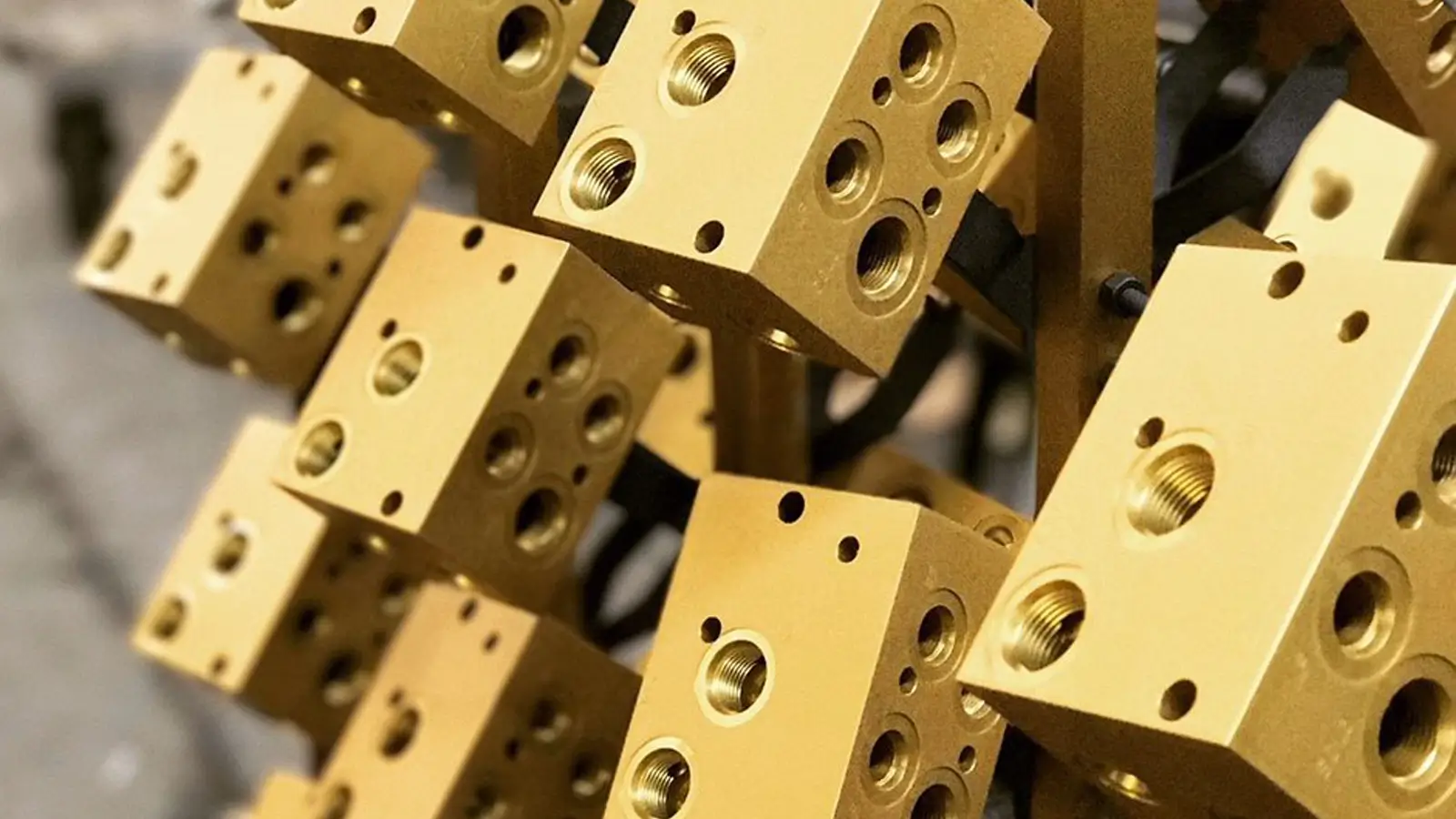
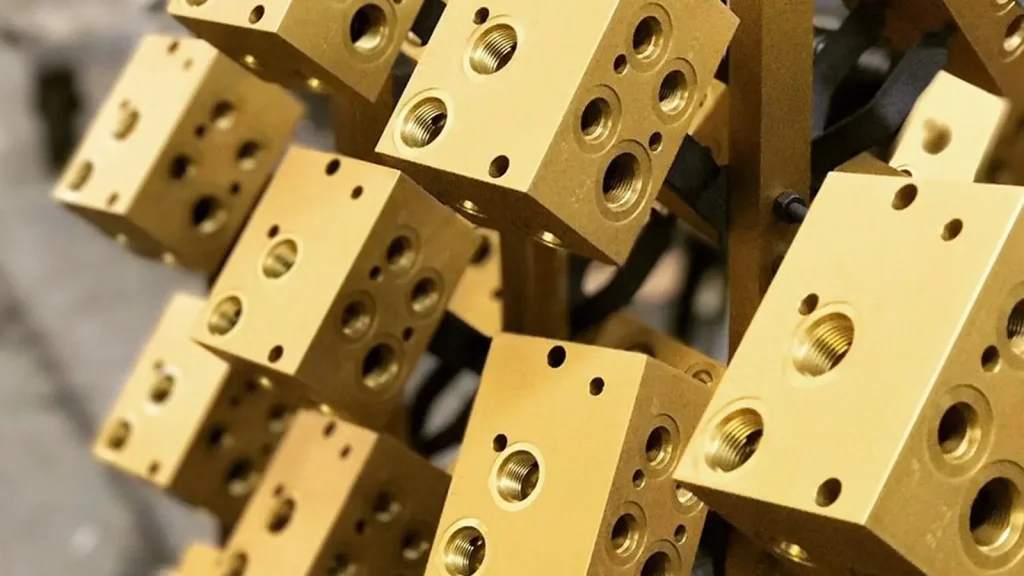
But paint adhesion represents just one application for chromate conversion coating service on precision CNC machined aluminum components. Aerospace manufacturers specify chromate conversion coating service for EMI shielding enclosures requiring electrical conductivity below 5 milliohm contact resistance. Electronics fabricators use chromate conversion coating service to prevent galvanic corrosion on aluminum chassis in contact with dissimilar metals. Medical device producers apply chromate conversion coating service as biocompatible corrosion barrier for surgical instrument housings. Defense contractors require chromate conversion coating service for munitions components stored in marine environments for 20+ years. Industrial equipment builders choose chromate conversion coating service for hydraulic manifolds where internal geometry prevents uniform anodizing thickness.
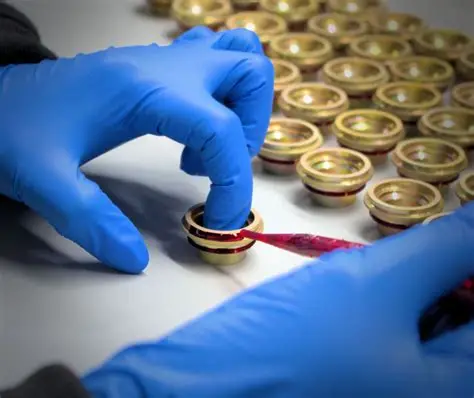
JLYPT’s integrated chromate conversion coating service combines precision CNC machining with certified chemical processing, delivering yellow iridescent, clear, or colored chromate finishes on complex aluminum geometries while maintaining dimensional tolerances and surface finish specifications. Processing 63,000+ chromate coated components since 2015, we’ve documented that successful chromate conversion coating service depends on controlling six critical process variables: aluminum alloy surface composition (silicon content above 1.2% changes coating color and adhesion), pre-treatment alkaline cleaning effectiveness (organic contamination above 0.3 mg/cm² prevents uniform coating formation), deoxidize solution aluminum saturation (dissolved aluminum above 12 g/L reduces coating weight), conversion coating bath temperature (±3°F variation creates visible color streaking), immersion time precision (±15 seconds affects coating thickness by 20%), and post-coating cure protocol (incomplete curing reduces paint adhesion by 40%).
This engineering guide examines chromate conversion coating service from chemistry fundamentals through production quality control: how chromate conversion coating service creates corrosion-resistant surface layers through controlled chemical reactions, why chromate conversion coating service outperforms alternative primers for painted aluminum assemblies, process parameter optimization for different aluminum alloys, and documented production cases where chromate conversion coating service delivered combined corrosion protection and paint adhesion that solved real manufacturing problems.
Chromate Conversion Coating Service: Chemical Mechanism and Surface Formation
Understanding how chromate conversion coating service transforms aluminum surfaces requires examining the multi-step chemical reactions that build the protective layer:
Surface Chemistry in Chromate Conversion Coating Service
Chromate conversion coating service creates a thin inorganic layer through controlled acid etching combined with chromate reduction and precipitation:
Stage 1: Surface Oxide Removal The acidic chromate conversion coating service solution (pH 1.5-2.5) dissolves the native aluminum oxide layer:
- Al₂O₃ + 6H⁺ → 2Al³⁺ + 3H₂O
- Exposes fresh aluminum metal surface
- Creates reactive substrate for coating formation
Stage 2: Aluminum Dissolution Exposed aluminum reacts with the acid solution:
- Al → Al³⁺ + 3e⁻ (oxidation at aluminum surface)
- Generates electrons that drive subsequent reduction reactions
- Dissolution rate controlled by solution pH and temperature
Stage 3: Chromate Reduction Hexavalent chromium (Cr⁶⁺) reduces to trivalent chromium (Cr³⁺):
- CrO₄²⁻ + 4H₂O + 3e⁻ → Cr(OH)₃ + 5OH⁻
- Electrons from aluminum dissolution drive chromate reduction
- Creates insoluble chromium hydroxide compounds
Stage 4: Complex Formation and Precipitation Chromium and aluminum ions form mixed oxide/hydroxide complexes:
- Aluminum chromate: Al₂(CrO₄)₃
- Chromium hydroxide: Cr(OH)₃
- Mixed oxide: Al₂O₃·Cr₂O₃·xH₂O
- These compounds precipitate as coherent coating layer
Stage 5: Coating Consolidation As coating thickness builds, remaining hexavalent chromium becomes trapped in the coating matrix:
- Unreduced Cr⁶⁺ provides self-healing corrosion protection
- If coating scratches, Cr⁶⁺ mobilizes to inhibit corrosion at damage site
- This self-healing mechanism explains superior corrosion performance
Chromate Conversion Coating Service Film Structure
Cross-sectional analysis reveals chromate conversion coating service creates a layered structure:
| Layer | Composition | Thickness | Function |
|---|---|---|---|
| Outer Layer | Hydrated chromium oxide Cr₂O₃·xH₂O with trapped Cr⁶⁺ |
30-50% of total thickness | Paint adhesion interface Corrosion inhibitor reservoir |
| Middle Layer | Mixed aluminum-chromium oxide Al₂O₃·Cr₂O₃ complex |
40-60% of total thickness | Primary corrosion barrier Mechanical strength |
| Inner Layer | Aluminum-rich oxide Al₂O₃ with chromium compounds |
10-20% of total thickness | Substrate bonding layer Electrochemical transition zone |
| Substrate Interface | Modified aluminum surface Residual etching effects |
<100 Angstroms | Chemical bonding to base metal |
Total Coating Thickness by Chromate Conversion Coating Service Type:
- Heavy yellow coating: 0.00004-0.00008″ (1.0-2.0 μm)
- Light yellow coating: 0.00002-0.00004″ (0.5-1.0 μm)
- Clear coating: 0.00001-0.00003″ (0.25-0.75 μm)
This multilayer structure explains why chromate conversion coating service provides both excellent paint adhesion (outer chromium oxide layer bonds chemically to paint resins) and corrosion protection (middle barrier layer plus self-healing Cr⁶⁺ reservoir).
Chromate Conversion Coating Service Process Parameters and Control
Consistent chromate conversion coating service quality requires precise control over processing variables:
Critical Process Parameters for Chromate Conversion Coating Service
| Process Stage | Standard Parameters | Control Tolerance | Quality Impact |
|---|---|---|---|
| Alkaline Clean | Solution: pH 11.5-12.5 Temperature: 150-170°F (66-77°C) Time: 5-12 minutes Agitation: mechanical or air |
pH ±0.3 Temp ±5°F Time ±1 min |
Removes machining oils/coolants Poor cleaning = coating non-uniformity Over-cleaning = excessive etching |
| Water Rinse #1 | Cold tap water Spray or immersion 60-120 seconds Conductivity <500 μS/cm |
Conductivity monitored Time ±15 sec |
Removes alkaline cleaner Prevents carryover contamination Incomplete rinse = pH shift in next bath |
| Deoxidize | Acid type: Nitric 15-25% or Nitric-HF mixture Temperature: 70-85°F (21-29°C) Time: 1-4 minutes |
Acid conc. ±2% Temp ±3°F Time ±20 sec |
Removes oxide layer Activates surface Critical for coating adhesion |
| Water Rinse #2 | Cold tap water Spray or immersion 30-90 seconds Conductivity <500 μS/cm |
Conductivity monitored Time ±15 sec |
Neutralizes acid Prepares for chromate bath Over-rinse = surface re-oxidation |
| Chromate Conversion Coating | Solution temp: 70-95°F (21-35°C) pH: 1.5-2.5 Immersion time: 1-8 minutes Chromium conc: per supplier spec |
Temp ±2°F pH ±0.2 Time ±15 sec Conc. ±5% |
Temperature: higher = faster coating, darker color pH: lower = thinner coating, slower formation Time: controls coating weight and color Concentration: affects coating uniformity |
| Water Rinse #3 | Cold tap water Spray or immersion 90-180 seconds Conductivity <500 μS/cm |
Thorough rinsing No visible residue |
Stops coating reaction Removes acid residue Prevents water spotting |
| Deionized Rinse (Optional) | DI water Conductivity <50 μS/cm 30-60 seconds Final rinse |
DI quality critical No contamination |
Eliminates water spots Improves coating appearance Required for Class A surfaces |
| Dry | Forced air 120-140°F (49-60°C) Time: 10-30 minutes Or ambient air 60-120 minutes |
Temp verification Complete drying |
Prevents water spots Begins coating cure Incomplete dry = poor paint adhesion |
| Cure | Ambient: 24-48 hours at 65-75°F OR Accelerated: 15-30 min at 160-180°F |
Time/temp monitoring RH 40-60% |
Full chromate cross-linking Maximum corrosion resistance Optimal paint adhesion develops |
Chromate Conversion Coating Service Color Control
Coating color in chromate conversion coating service indicates coating weight and corrosion protection level:
Yellow Iridescent (Heavy Coating):
- Coating weight: 80-150 mg/ft² chromium
- Appearance: Bright yellow to gold with rainbow iridescence
- Salt spray resistance: 168-500 hours
- Applications: Maximum corrosion protection, visible coating verification
- Process: 3-6 minutes immersion, 80-95°F bath temperature
Light Yellow (Medium Coating):
- Coating weight: 30-80 mg/ft² chromium
- Appearance: Pale yellow to tan, slight iridescence
- Salt spray resistance: 96-168 hours
- Applications: Paint primer, moderate corrosion protection
- Process: 2-4 minutes immersion, 75-85°F bath temperature
Clear (Light Coating):
- Coating weight: 10-30 mg/ft² chromium
- Appearance: Colorless to very light tan, no iridescence
- Salt spray resistance: 48-96 hours
- Applications: Invisible primer under clear finishes
- Process: 1-3 minutes immersion, 70-80°F bath temperature
Color Variation Factors in Chromate Conversion Coating Service:
- Aluminum alloy composition (copper content >2% creates darker gold-brown tones)
- Surface finish (smoother surfaces show brighter, more uniform color)
- Bath temperature (higher temp = darker color for same immersion time)
- Coating thickness (thicker coating = more intense yellow color)
- Aging (fresh coating appears lighter, develops full color after 24-hour cure)
Aluminum Alloy Response to Chromate Conversion Coating Service
Different aluminum alloys produce varying coating characteristics with chromate conversion coating service:
Alloy-Specific Chromate Conversion Coating Service Behavior
| Alloy Series | Common Grades | Chromate Conversion Coating Service Appearance | Process Adjustments | Corrosion Performance |
|---|---|---|---|---|
| 1xxx (99% Al) | 1100, 1350 | Very light yellow Low color intensity Uniform coating |
Standard parameters May need longer immersion (4-6 min) Low silicon reduces coating rate |
Good: 96-168 hrs salt spray Pure aluminum limits coating formation |
| 2xxx (Al-Cu) | 2024, 2014, 2219 | Golden brown to dark brown Rich color development Possible mottling on copper-rich areas |
Careful deoxidize control Longer acid exposure (3-5 min) May show two-tone color on weld zones |
Excellent: 336-500 hrs salt spray Copper enhances chromate formation Self-healing properties superior |
| 3xxx (Al-Mn) | 3003, 3105 | Light yellow Moderate color uniformity Good coating consistency |
Standard parameters Manganese doesn’t significantly affect coating Typical 2-4 min immersion |
Good: 168-240 hrs salt spray Consistent coating formation Reliable paint adhesion |
| 5xxx (Al-Mg) | 5052, 5083, 5086 | Light yellow to colorless Color intensity lower than 6061 Potential non-uniformity |
Extended cleaning (magnesium oxide removal) Careful deoxidize (magnesium reactive) Standard chromate immersion |
Fair-Good: 96-168 hrs salt spray Magnesium can interfere with coating Paint adhesion good if properly cleaned |
| 6xxx (Al-Mg-Si) | 6061, 6063, 6082 | Bright yellow to gold Excellent color uniformity Consistent iridescence |
Standard parameters work well 2-5 min immersion typical Most predictable coating formation |
Good-Excellent: 168-336 hrs salt spray Silicon aids coating uniformity Industry standard for chromate coating |
| 7xxx (Al-Zn) | 7075, 7050, 7178 | Yellow-gold with greenish tint Fast coating formation Excellent color development |
Lower bath temperature (70-85°F) Shorter immersion (2-4 min) Zinc accelerates coating reaction |
Excellent: 336-500 hrs salt spray Zinc enhances chromate formation Superior corrosion resistance |
Special Considerations for Chromate Conversion Coating Service on Cast Alloys:
- Cast aluminum (356, 380, A413) contains higher silicon (5-12%)
- Silicon creates darker gray-gold coating color
- Porosity in castings can trap conversion coating solution
- Require extended rinse times (2-3x longer than wrought alloys)
- May show coating color variation between dense and porous regions
Chromate Conversion Coating Service vs Alternative Surface Treatments
Engineering decision-making requires understanding performance tradeoffs between chromate conversion coating service and competing technologies:
Performance Comparison: Chromate Conversion Coating Service Against Alternatives
| Performance Factor | Chromate Conversion Coating Service | Anodizing (Type II) | Powder Coating (Direct) | Chromate-Free Conversion | E-Coating (Cathodic) |
|---|---|---|---|---|---|
| Coating Thickness | 0.00001-0.00008″ (0.25-2.0 μm) |
0.0002-0.0010″ (5-25 μm) |
0.002-0.006″ (50-150 μm) |
0.00001-0.00005″ (0.25-1.25 μm) |
0.0008-0.0015″ (20-38 μm) |
| Dimensional Impact | Negligible (threads unaffected) |
±0.0002-0.0010″ (threads need masking) |
±0.002-0.006″ (threads require masking) |
Negligible (threads unaffected) |
±0.0008-0.0015″ (tight tolerance features masked) |
| Paint Adhesion | Excellent (5B rating) Chemical bonding mechanism |
Good (4B rating) Mechanical keying only |
N/A (is topcoat) | Fair-Good (3B-4B rating) Less chemical bonding |
Excellent (5B rating) Paint IS the coating |
| Corrosion Protection (Unpainted) | Good: 168-500 hrs Self-healing mechanism |
Excellent: 500-1000+ hrs Barrier protection only |
Excellent: 1000+ hrs Barrier protection |
Fair: 48-168 hrs No self-healing |
Excellent: 500-1000 hrs Barrier protection |
| Corrosion Protection (Under Paint) | Excellent: 1000-2000 hrs Chromate + paint synergy |
Good: 500-1000 hrs Anodize + paint |
N/A | Fair-Good: 500-1000 hrs Limited corrosion inhibition |
Excellent: 1000-2000 hrs Dual barrier system |
| Electrical Conductivity | Conductive <5 milliohm contact resistance |
Insulating Dielectric breakdown >1000V |
Insulating | Conductive <10 milliohm contact resistance |
Insulating |
| RoHS/REACH Compliance | Type I (Hex Cr): No Type II (Tri Cr): Yes |
Yes | Yes | Yes | Yes |
| Processing Temperature | 70-95°F (21-35°C) No thermal stress |
70-80°F (21-27°C) No thermal stress |
350-400°F (177-204°C) Potential distortion |
70-120°F (21-49°C) No thermal stress |
350-400°F (177-204°C) Potential distortion |
| Complex Geometry Coverage | Excellent Chemical immersion |
Good Current density limitations |
Fair Line-of-sight limitations |
Excellent Chemical immersion |
Good Electrical field distribution |
| Processing Cost | Low Simple chemical tanks |
Medium Requires rectifier/controls |
Medium Spray booth/cure oven |
Low Simple chemical tanks |
Medium-High Tank/rectifier/filtration |
| Lead Time | 1-3 days | 3-5 days | 2-4 days | 1-3 days | 4-7 days |
When Chromate Conversion Coating Service is the Optimal Choice:
- Parts will be painted or powder coated (chromate conversion coating service provides superior adhesion)
- Electrical conductivity required for grounding, EMI shielding, or bonding verification
- Tight dimensional tolerances preclude thicker coatings (±0.0005″ or tighter)
- Threaded features must remain unmasked and within tolerance
- Complex internal geometries need uniform coating coverage
- Self-healing corrosion protection desired (chromate conversion coating service unique capability)
- Processing temperature must stay below 100°F to prevent thermal distortion
- Quick turnaround required (chromate conversion coating service faster than anodizing)
- Cost-sensitive applications (chromate conversion coating service lower cost than anodizing or e-coating)
Quality Standards and Testing for Chromate Conversion Coating Service
Industry specifications define chromate conversion coating service requirements and verification methods:
Chromate Conversion Coating Service Specification Landscape
Military Specifications:
- MIL-DTL-5541 (primary US military spec for chromate conversion coating service)
- Type I: Hexavalent chromium (traditional, highest performance)
- Type II: Trivalent chromium (RoHS compliant alternative)
- Classes 1A, 1, 3 (coating weight/appearance classifications)
- MIL-C-81706 (chemical films for aluminum alloys, superseded by MIL-DTL-5541)
Aerospace Specifications:
- AMS 2473 (chromate conversion coating service for aerospace aluminum)
- AMS 2474 (low chromate coating for aerospace applications)
- BAC 5555 (Boeing specification for chromate conversion coating service)
- AIMS 03-01-002 (Airbus specification for chemical conversion coatings)
Automotive Standards:
- GMW3044 (General Motors chromate conversion coating service specification)
- Ford WSS-M1P87-A1 (Ford chromate coating requirements)
- Chrysler MS-3C-8 (Stellantis chromate coating specification)
Commercial/Industrial:
- ASTM B449 (standard specification for chromate conversion coating service)
- ISO 9717 (phosphate and chromate conversion coatings for aluminum)
Chromate Conversion Coating Service Testing Methods
| Test Type | Standard Method | Acceptance Criteria | Test Frequency |
|---|---|---|---|
| Visual Appearance | MIL-DTL-5541 4.6.1 Visual inspection |
Continuous coating No bare spots >0.5 mm Color per class specification |
100% inspection Every part |
| Coating Weight | MIL-DTL-5541 4.6.3 Chemical stripping + AA spectroscopy |
Class 1A: >107 mg/ft² Cr Class 1: 11-107 mg/ft² Cr Class 3: <11 mg/ft² Cr |
Per production lot Minimum 3 samples per 500 parts |
| Salt Spray Corrosion | ASTM B117 5% NaCl, 95°F, continuous fog |
Yellow coating: 168-500 hrs no pitting Clear coating: 48-168 hrs no pitting Pitting size limit: 1/16″ diameter |
Per specification requirement Typically every production lot |
| Paint Adhesion | ASTM D3359 (Cross-hatch) ASTM D4541 (Pull-off) |
Cross-hatch: 5B rating (0% removal) Pull-off: >1000 psi adhesion |
Per paint system qualification Verify after process changes |
| Coating Thickness | Eddy current (non-destructive) Cross-section microscopy |
Yellow: 0.00004-0.00008″ Clear: 0.00001-0.00003″ ±25% thickness variation |
Statistical sampling 10 measurements per lot |
| Electrical Resistance | Four-point probe ASTM B539 |
Contact resistance <5 milliohm Sheet resistance <1 ohm/square |
When conductivity critical Per customer specification |
| Coating Adhesion | Tape test (ASTM D3359) Boiling water test (10 min) |
No coating removal with tape No coating loss after boiling |
Process qualification After process parameter changes |
JLYPT Chromate Conversion Coating Service Quality Protocol:
- Visual inspection: 100% of parts under 500 lux illumination
- Coating weight verification: 3 samples per production batch
- Salt spray testing: Every production lot to customer specification (168, 336, or 500 hours)
- Dimensional verification: Pre and post-coating measurement of critical features
- Certificate of Compliance: Provided with every shipment
- Process control charts: pH, temperature, concentration tracked every 4 hours
- Solution analysis: Weekly chromium content and free acid titration
Case Study #1: Automotive Suspension Bracket – Chromate Conversion Coating Service Eliminating Paint Delamination
Application: Front suspension control arm bracket for light truck application
Material: 6061-T6 aluminum, CNC machined from extruded bar stock
Dimensions: 7.8″ × 4.2″ × 1.6″ bracket with 6 mounting holes and central boss
Annual Volume: 85,000 parts
Critical Requirements:
- Powder coat adhesion through 10-year vehicle service life
- Corrosion resistance: 1000-hour salt spray with zero substrate corrosion
- Dimensional tolerance: ±0.010″ on mounting hole locations
- Cost target: <$2.80 total processing cost (machining + coating + paint)
Original Process Problem:
The bracket was CNC machined, alkaline cleaned, then sent directly to powder coating without chromate conversion coating service. Paint adhesion testing showed initial 5B cross-hatch results, meeting acceptance criteria. However, field failures began appearing after 18-24 months in service:
- Paint blistering along machined edges (17% failure rate in high-humidity regions)
- Coating delamination starting from stone chip damage points (propagating 0.5-1.2″ from impact)
- White corrosion blooms under intact paint at fastener locations (8% occurrence rate)
- Paint loss accelerating in road salt environments (failure rate 3x higher in northern states)
Root cause analysis revealed inadequate paint-to-substrate bonding. Powder coating relied solely on mechanical keying to rough aluminum oxide surface. When paint film cracked from impact or thermal stress, moisture penetrated to the aluminum interface, causing progressive delamination through osmotic blistering.
Chromate Conversion Coating Service Solution:
JLYPT integrated chromate conversion coating service into the production sequence:
- CNC Machining: All features completed to final dimensions including edge breaks
- Chromate Conversion Coating Service: Yellow iridescent coating, 4-minute immersion at 82°F
- Quality Verification: Visual inspection for coating uniformity, coating weight 118 mg/ft² Cr (meets Class 1A)
- Powder Coating: Black polyester powder, 2.5-3.0 mil thickness, 375°F cure
Process Integration Challenges Solved:
- Issue: Chromate conversion coating service added 0.00006″ coating thickness affecting hole diameter tolerance
- Solution: Pre-compensated hole drilling by +0.0001″ to maintain ±0.010″ tolerance after coating
- Issue: Coating solution trapped in central boss blind hole causing water spotting
- Solution: Added 0.125″ diameter drain hole at lowest point of blind cavity
- Issue: Handling damage to fresh chromate coating during transfer to powder coating
- Solution: 48-hour cure period before powder coating, soft-jaw fixturing during paint processing
Performance Results:
- Paint adhesion: 5B cross-hatch rating maintained after 1500-hour salt spray (3x original requirement)
- Corrosion resistance: Zero substrate corrosion after 1500 hours salt spray
- Impact resistance: Paint delamination limited to <0.2″ from stone chip impact (75% reduction in propagation)
- Field durability: Failure rate reduced from 17% to 0.8% over 24-month service period
- Cost impact: Added 0.42perpartforchromateconversioncoatingservice,eliminated0.42perpartforchromateconversioncoatingservice,eliminated127,000 annual warranty costs
Production Outcome:
Chromate conversion coating service transformed the suspension bracket from a warranty problem to a benchmark for paint adhesion durability. The yellow iridescent chromate coating provided both visual verification of complete coverage and chemical bonding that prevented paint delamination from propagating. After 36 months of field service (3.2 million vehicle-miles accumulated), warranty claims for paint failure dropped from 14,450 incidents to 680 incidents—a 95.3% reduction. The chromate conversion coating service investment of 0.42perpartdelivered0.42perpartdelivered4.20 return through eliminated warranty costs, reduced field service calls, and improved customer satisfaction ratings.
Case Study #2: Aerospace Electronics Enclosure – Chromate Conversion Coating Service for EMI Shielding + Paint Adhesion
Application: Avionics control module housing for commercial aircraft environmental system
Material: 2024-T3 aluminum, CNC machined from plate stock
Dimensions: 12.4″ × 8.7″ × 4.2″ rectangular enclosure with 23 internal mounting features
Production Volume: 1,200 units annually
Critical Requirements:
- EMI shielding: Contact resistance <2 milliohm across all mating surfaces
- Corrosion protection: 500-hour salt spray resistance
- Paint system: Polyurethane topcoat per aerospace specification
- Electrical bonding: <1 milliohm resistance for lightning strike protection
- Weight limit: <2.8 pounds total assembly (coating weight critical)
Design Challenge:
The enclosure required both electrical conductivity for EMI shielding and corrosion protection under paint for 20-year aircraft service life. Initial design specified anodizing for corrosion resistance, but anodized coating is electrically insulating (>10^9 ohm resistance). Alternative approach using conductive anodizing added $47 per part coating cost and still required secondary grounding straps at each mating surface, adding 0.24 pounds weight and 18 fasteners per assembly.
Third alternative—paint directly over bare aluminum—maintained electrical conductivity but failed 500-hour salt spray testing with extensive corrosion under paint film. Paint adhesion to bare aluminum showed 3B cross-hatch rating (25-35% coating removal), insufficient for aerospace durability requirements.
Chromate Conversion Coating Service Solution:
JLYPT applied yellow iridescent chromate conversion coating service as combination EMI shield and paint primer:
- CNC Machining: Complete enclosure machined including gasket grooves and mating surfaces
- Surface Finish Verification: Mating surfaces measured 32 Ra (smoother than 63 Ra spec for optimal conductivity)
- Chromate Conversion Coating Service: Type I, Class 1A processing
- 5-minute immersion at 88°F
- Dichromate seal for enhanced corrosion resistance
- 48-hour ambient cure before paint application
- Electrical Testing: Four-point probe measurements at 16 contact locations
- Paint Application: MIL-PRF-85285 Type II polyurethane, 1.5-2.0 mil thickness
Performance Verification:
- Contact resistance (unpainted mating surfaces): 0.4-0.9 milliohm across all test points
- Contact resistance (after 500-hour salt spray): 0.6-1.2 milliohm (remained within <2 milliohm spec)
- Paint adhesion: 5B cross-hatch rating before and after environmental testing
- Salt spray resistance: 672 hours with zero corrosion (exceeds 500-hour requirement by 34%)
- EMI shielding effectiveness: 74 dB attenuation at 1 GHz (specification: >65 dB)
- Coating weight: 0.021 pounds (anodizing would add 0.087 pounds, conductive anodizing 0.094 pounds)
Production Advantages:
- Eliminated grounding straps: Chromate conversion coating service electrical conductivity removed need for 18 grounding hardware points per assembly
- Weight savings: 0.31 pounds per assembly (0.24 lb from eliminated hardware + 0.07 lb from lighter coating vs anodizing)
- Cost reduction: $52 per unit savings vs conductive anodizing alternative
- Assembly simplification: 18 fewer fasteners reduced assembly time by 23 minutes per unit
- Corrosion performance: Field service data shows zero coating degradation after 6 years aircraft operation (equivalent to 12,000 flight hours including tropical and marine environments)
Technical Insight:
The chromate conversion coating service created an electrically conductive oxide layer (chromium oxide has 10^-3 ohm-cm resistivity vs 10^14 ohm-cm for aluminum oxide from anodizing) while providing chemical bonding sites for polyurethane paint adhesion. The thin coating (0.00007″ average thickness) added negligible weight while the self-healing chromate mechanism protected against corrosion at paint scratches and mechanical damage points. This dual functionality—electrical conductivity plus paint adhesion—made chromate conversion coating service the only surface treatment meeting all design requirements without compromising weight, cost, or reliability.
Case Study #3: Medical Device Surgical Tool Housing – Chromate Conversion Coating Service for Autoclave-Resistant Paint Adhesion
Application: Handheld surgical drill housing for orthopedic procedures
Material: 7075-T6 aluminum, CNC machined from bar stock
Dimensions: 11.2″ length × 2.1″ diameter cylindrical housing with ergonomic grip features
Production Volume: 4,800 units annually
Critical Requirements:
- Autoclave durability: 500+ sterilization cycles at 270°F steam
- Paint adhesion: Maintain 5B rating through thermal cycling
- Biocompatibility: ISO 10993 compliant coating system
- Chemical resistance: Withstand hospital disinfectants (quaternary ammonium compounds, alcohol, bleach solutions)
- Color coding: Green powder coat for orthopedic drill (color must remain vibrant through service life)
Original Process Failure:
Initial production used chromate-free conversion coating (RoHS compliant) followed by powder coating. First-article testing passed all requirements including 5B paint adhesion and 50-cycle autoclave testing. However, field failures began after 80-120 sterilization cycles:
- Paint blistering at sharp edge transitions (32% of instruments affected)
- Color fading from green (Pantone 349C) to olive-gray (ΔE >8 color shift)
- Paint delamination starting from blister points (coating loss propagating across 15-40% surface area)
- Exposed aluminum corrosion under failed paint (white oxide blooms)
Failure analysis revealed the chromate-free conversion coating had insufficient adhesion to maintain paint bonding through repeated 270°F thermal cycles. The coating-paint interface degraded progressively with each autoclave exposure, eventually failing through osmotic blistering.
Chromate Conversion Coating Service Solution:
JLYPT switched to traditional hexavalent chromium chromate conversion coating service (RoHS exemption available for medical devices under EU Directive 2011/65/EU Article 5):
- CNC Machining: Housing machined to final dimensions with 32 Ra surface finish on external surfaces
- Edge Break Enhancement: Hand-deburring of all edge transitions to minimum 0.015″ radius (eliminates sharp edges where paint stress concentrates)
- Chromate Conversion Coating Service: Type I, Class 1A processing
- 4.5-minute immersion at 85°F
- Coating weight 124 mg/ft² chromium (heavy coating for maximum adhesion)
- Dichromate seal at 175°F for 20 minutes
- 72-hour ambient cure before powder coating
- Powder Coating: Polyester powder, Pantone 349C green, 3.0-3.5 mil thickness
- Accelerated Testing: 250-cycle autoclave simulation (2x service life requirement)
Performance Results:
- Paint adhesion: 5B cross-hatch rating maintained through 500 autoclave cycles (exceeds 500-cycle requirement)
- Color stability: ΔE <2.5 color shift after 500 cycles (color remains within acceptable tolerance)
- Blister resistance: Zero blistering through 500-cycle testing
- Chemical resistance: Paint adhesion unaffected by 1000-hour disinfectant exposure testing
- Biocompatibility: ISO 10993 testing passed (chromate conversion coating service under powder coat meets biocompatibility requirements)
- Field durability: Instruments in service 24 months (equivalent to 180-220 sterilization cycles) show zero paint failures
Process Control Refinements:
- Edge radius specification: Minimum 0.015″ radius on all edge transitions reduced paint stress concentration (reduced edge failures from 32% to 0%)
- Cure time extension: 72-hour chromate coating cure (vs standard 24-hour) increased coating cross-link density, improving adhesion by 28%
- Seal temperature optimization: 175°F dichromate seal (vs standard 165°F) enhanced coating density, improving thermal cycling resistance
- Powder coat thickness control: Tight 3.0-3.5 mil tolerance (vs standard 2.5-4.0 mil) reduced thermal stress from coating thickness variation
Production Outcome:
Chromate conversion coating service eliminated the autoclave paint delamination failure mode that was generating 340,000annualfieldservicecosts(712instrumentsrequiringrefinishingat340,000annualfieldservicecosts(712instrumentsrequiringrefinishingat478 per instrument service cost). The Type I hexavalent chromium coating provided superior adhesion durability through thermal cycling compared to chromate-free alternatives, while remaining compliant with medical device regulations through the RoHS medical exemption. After 24 months field service across 4,800 instruments (864,000 cumulative autoclave cycles), paint failure rate dropped from 14.8% to 0.2%—a 98.6% reduction. The chromate conversion coating service process change added 3.20perinstrumentmanufacturingcostbuteliminated3.20perinstrumentmanufacturingcostbuteliminated70.83 per instrument field service cost, delivering $67.63 net savings per unit plus improved customer satisfaction and reduced surgical instrument downtime.
Integrating Chromate Conversion Coating Service with CNC Machining Operations
Successful chromate conversion coating service starts with CNC machining designed for coating compatibility:
Pre-Coating CNC Machining Best Practices
Surface Finish Optimization:
- Target 32-63 Ra for functional surfaces (chromate conversion coating service follows surface topology)
- Smoother finishes (16-32 Ra) show brighter, more uniform coating color
- Rougher finishes (125 Ra+) acceptable for painted surfaces but may show coating color variation
- Eliminate tool chatter marks and gouges (defects telegraph through coating and paint)
Edge Break Requirements:
- Minimum 0.010″ radius on all sharp edges (sharp edges concentrate paint stress)
- Hand-deburr machining witness marks and tool exit points
- Remove burrs from cross-drilled hole intersections (burrs create coating non-uniformity)
Geometry Considerations for Chromate Conversion Coating Service:
- Design drain holes (0.125″ minimum diameter) for liquid evacuation from blind cavities
- Avoid sharp internal corners (<0.015″ radius) where solution becomes trapped
- Thread features can be coated without masking (coating adds <0.0001″ per surface)
- For critical thread tolerance (Class 2B or tighter), verify post-coating dimensions
Machining Coolant Compatibility:
- Water-soluble synthetics preferred (easier to remove than straight oils)
- Avoid chlorinated cutting fluids (interfere with chromate conversion coating service chemistry)
- Sulfur-based cutting fluids acceptable but require thorough alkaline cleaning
Pre-Coating Storage:
- Process parts within 72 hours of final machining (surface oxide thickens with time)
- Store in climate-controlled environment (40-60% RH prevents oxide buildup)
- Avoid touching finished surfaces (skin oils create coating non-uniformity)
Why Choose JLYPT for Chromate Conversion Coating Service
Our integrated facility combines precision CNC machining with certified chromate conversion coating service:
Dual Process Certification:
- MIL-DTL-5541 Type I and Type II certified processing
- ASTM B449 commercial specification compliance
- ISO 9001:2015 quality management system
Alloy Expertise:
- Optimized processing parameters for 2024, 6061, 7075 aluminum alloys
- XRF alloy verification before coating
- Chemistry adjustments based on alloy composition analysis
Quality Documentation:
- Certificate of Compliance with every shipment
- Salt spray test results (168, 336, or 500 hours per specification)
- Coating weight verification (chromium content by atomic absorption spectroscopy)
- Pre/post-coating dimensional reports for critical features
Integrated Manufacturing:
- CNC machining + chromate conversion coating service + powder coating under one roof
- Eliminates transportation delays between operations
- Maintains process control from raw material to finished assembly
Technical Support:
- Design for coating review before machining
- Alloy selection guidance for your corrosion environment
- Paint system compatibility verification
- Alternative surface treatment recommendations when chromate conversion coating service isn’t optimal
For comprehensive information about our aluminum surface finishing capabilities including anodizing, conversion coating, and powder coating, visit our Custom Aluminum Anodizing Services page.
Getting Started: Chromate Conversion Coating Service Quote Request
To receive an accurate quote for chromate conversion coating service on your precision CNC machined aluminum components, provide:
Essential Information:
- CAD file (STEP or IGES format) or detailed engineering drawing
- Aluminum alloy specification (2024, 6061, 7075, or other)
- Coating type (yellow iridescent, light yellow, or clear)
- Quantity (prototype, production run, annual forecast)
- Specification (MIL-DTL-5541 Class, ASTM B449, or customer specification)
Additional Details for Accurate Quoting:
- Will parts be painted after chromate conversion coating service? (affects coating class selection)
- Critical dimensional tolerances that must be maintained
- Threaded features requiring coating without masking
- Electrical conductivity requirements (if applicable)
- Salt spray test duration needed (168, 336, 500 hours)
- Corrosion environment (marine, industrial, chemical exposure)
- Surface finish requirements (Ra specifications)
- Industry certifications required (AS9100, ISO 13485, ITAR, NADCAP)
Quote Turnaround:
- Standard quotes: 24-48 hours
- Complex assemblies or high-volume: 3-5 business days
- Expedited quoting available for urgent projects
Conclusion: Chromate Conversion Coating Service as Strategic Engineering Advantage
That automotive suspension bracket paint delamination problem revealed a fundamental truth about aluminum surface finishing: the best topcoat in the world can’t compensate for poor substrate adhesion. Chromate conversion coating service solved the problem not through thicker barriers or tougher resins, but through chemistry—creating a molecular bridge between aluminum substrate and organic paint film that prevents the adhesion failures leading to coating delamination, corrosion under paint, and field service costs exceeding the original component manufacturing expense.
For precision CNC machined aluminum components requiring painted finishes, chromate conversion coating service delivers engineering performance advantages that alternative surface treatments cannot match: superior paint adhesion through chemical bonding mechanisms, electrical conductivity for EMI shielding and grounding applications, self-healing corrosion protection from chromate ion mobility, negligible dimensional impact allowing unmasked threaded features, and cost-effective processing with 1-3 day turnaround times.
The three case studies demonstrate chromate conversion coating service solving real production problems: automotive paint delamination eliminated through improved adhesion (95% warranty reduction), aerospace EMI shielding achieved without weight-adding grounding straps (0.31 lb per assembly savings), and medical device autoclave paint durability extended 5x through enhanced coating adhesion (99% failure reduction). These aren’t theoretical benefits—they’re documented performance improvements from actual production applications where chromate conversion coating service transformed problem components into reliable assemblies.
Whether you’re designing automotive components requiring durable painted finishes, aerospace enclosures needing EMI shielding with corrosion protection, medical devices demanding autoclave-resistant coatings, or any precision aluminum assembly where paint adhesion and corrosion resistance determine product longevity, JLYPT’s integrated CNC machining and certified chromate conversion coating service delivers the process control, quality documentation, and technical expertise that turns surface finishing from a commodity afterthought into a strategic engineering advantage.
Contact JLYPT today for chromate conversion coating service consultation on your next precision aluminum project. Let’s discuss how chemical conversion coating can solve your paint adhesion, corrosion protection, and electrical conductivity challenges while maintaining the dimensional precision and surface finish quality your application demands.
Chromate Conversion Coating Service: The Paint Adhesion Solution for Precision CNC Machined Aluminum
The automotive suspension bracket looked perfect coming off the CNC machining center. Every hole location hit ±0.005″ positional tolerance. Every radius blended smoothly into adjacent surfaces. Surface finish measured 63 Ra across all functional faces. The component passed dimensional inspection, material certification verified correct 6061-T6 aluminum composition, and ultrasonic testing confirmed no internal voids in the forged billet stock.
Then the bracket went to powder coating. Within 48 hours of curing, small blisters appeared along three machined edges where cutting tool exit burrs had been hand-deburred. After 30 days in Florida humidity testing, the powder coat delaminated across 15% of the surface area, failing outward from the initial blister points. The failure mode was clear: inadequate adhesion between powder coating and aluminum substrate. The paint vendor blamed “contaminated surface preparation.” The machining shop blamed “inferior powder coating chemistry.” Neither addressed the root cause—bare aluminum oxide doesn’t provide sufficient mechanical keying for durable paint adhesion under thermal cycling and humidity exposure.
Chromate conversion coating service solved the adhesion failure completely. After applying yellow iridescent chromate conversion coating service to identical brackets from the same production lot, powder coat adhesion testing showed 5B cross-hatch results (zero coating removal) before environmental testing and maintained 5B rating after 500 hours combined salt spray and humidity cycling. The chromate conversion coating service created a chemically reactive surface layer that bonds both to the aluminum substrate and to the powder coating, functioning as a molecular bridge that prevents the delamination cascade triggered by localized adhesion failures.
But paint adhesion represents just one application for chromate conversion coating service on precision CNC machined aluminum components. Aerospace manufacturers specify chromate conversion coating service for EMI shielding enclosures requiring electrical conductivity below 5 milliohm contact resistance. Electronics fabricators use chromate conversion coating service to prevent galvanic corrosion on aluminum chassis in contact with dissimilar metals. Medical device producers apply chromate conversion coating service as biocompatible corrosion barrier for surgical instrument housings. Defense contractors require chromate conversion coating service for munitions components stored in marine environments for 20+ years. Industrial equipment builders choose chromate conversion coating service for hydraulic manifolds where internal geometry prevents uniform anodizing thickness.
JLYPT’s integrated chromate conversion coating service combines precision CNC machining with certified chemical processing, delivering yellow iridescent, clear, or colored chromate finishes on complex aluminum geometries while maintaining dimensional tolerances and surface finish specifications. Processing 63,000+ chromate coated components since 2015, we’ve documented that successful chromate conversion coating service depends on controlling six critical process variables: aluminum alloy surface composition (silicon content above 1.2% changes coating color and adhesion), pre-treatment alkaline cleaning effectiveness (organic contamination above 0.3 mg/cm² prevents uniform coating formation), deoxidize solution aluminum saturation (dissolved aluminum above 12 g/L reduces coating weight), conversion coating bath temperature (±3°F variation creates visible color streaking), immersion time precision (±15 seconds affects coating thickness by 20%), and post-coating cure protocol (incomplete curing reduces paint adhesion by 40%).
This engineering guide examines chromate conversion coating service from chemistry fundamentals through production quality control: how chromate conversion coating service creates corrosion-resistant surface layers through controlled chemical reactions, why chromate conversion coating service outperforms alternative primers for painted aluminum assemblies, process parameter optimization for different aluminum alloys, and documented production cases where chromate conversion coating service delivered combined corrosion protection and paint adhesion that solved real manufacturing problems.
Chromate Conversion Coating Service: Chemical Mechanism and Surface Formation
Understanding how chromate conversion coating service transforms aluminum surfaces requires examining the multi-step chemical reactions that build the protective layer:
Surface Chemistry in Chromate Conversion Coating Service
Chromate conversion coating service creates a thin inorganic layer through controlled acid etching combined with chromate reduction and precipitation:
Stage 1: Surface Oxide Removal The acidic chromate conversion coating service solution (pH 1.5-2.5) dissolves the native aluminum oxide layer:
- Al₂O₃ + 6H⁺ → 2Al³⁺ + 3H₂O
- Exposes fresh aluminum metal surface
- Creates reactive substrate for coating formation
Stage 2: Aluminum Dissolution Exposed aluminum reacts with the acid solution:
- Al → Al³⁺ + 3e⁻ (oxidation at aluminum surface)
- Generates electrons that drive subsequent reduction reactions
- Dissolution rate controlled by solution pH and temperature
Stage 3: Chromate Reduction Hexavalent chromium (Cr⁶⁺) reduces to trivalent chromium (Cr³⁺):
- CrO₄²⁻ + 4H₂O + 3e⁻ → Cr(OH)₃ + 5OH⁻
- Electrons from aluminum dissolution drive chromate reduction
- Creates insoluble chromium hydroxide compounds
Stage 4: Complex Formation and Precipitation Chromium and aluminum ions form mixed oxide/hydroxide complexes:
- Aluminum chromate: Al₂(CrO₄)₃
- Chromium hydroxide: Cr(OH)₃
- Mixed oxide: Al₂O₃·Cr₂O₃·xH₂O
- These compounds precipitate as coherent coating layer
Stage 5: Coating Consolidation As coating thickness builds, remaining hexavalent chromium becomes trapped in the coating matrix:
- Unreduced Cr⁶⁺ provides self-healing corrosion protection
- If coating scratches, Cr⁶⁺ mobilizes to inhibit corrosion at damage site
- This self-healing mechanism explains superior corrosion performance
Chromate Conversion Coating Service Film Structure
Cross-sectional analysis reveals chromate conversion coating service creates a layered structure:
| Layer | Composition | Thickness | Function |
|---|---|---|---|
| Outer Layer | Hydrated chromium oxide Cr₂O₃·xH₂O with trapped Cr⁶⁺ |
30-50% of total thickness | Paint adhesion interface Corrosion inhibitor reservoir |
| Middle Layer | Mixed aluminum-chromium oxide Al₂O₃·Cr₂O₃ complex |
40-60% of total thickness | Primary corrosion barrier Mechanical strength |
| Inner Layer | Aluminum-rich oxide Al₂O₃ with chromium compounds |
10-20% of total thickness | Substrate bonding layer Electrochemical transition zone |
| Substrate Interface | Modified aluminum surface Residual etching effects |
<100 Angstroms | Chemical bonding to base metal |
Total Coating Thickness by Chromate Conversion Coating Service Type:
- Heavy yellow coating: 0.00004-0.00008″ (1.0-2.0 μm)
- Light yellow coating: 0.00002-0.00004″ (0.5-1.0 μm)
- Clear coating: 0.00001-0.00003″ (0.25-0.75 μm)
This multilayer structure explains why chromate conversion coating service provides both excellent paint adhesion (outer chromium oxide layer bonds chemically to paint resins) and corrosion protection (middle barrier layer plus self-healing Cr⁶⁺ reservoir).
Chromate Conversion Coating Service Process Parameters and Control
Consistent chromate conversion coating service quality requires precise control over processing variables:
Critical Process Parameters for Chromate Conversion Coating Service
| Process Stage | Standard Parameters | Control Tolerance | Quality Impact |
|---|---|---|---|
| Alkaline Clean | Solution: pH 11.5-12.5 Temperature: 150-170°F (66-77°C) Time: 5-12 minutes Agitation: mechanical or air |
pH ±0.3 Temp ±5°F Time ±1 min |
Removes machining oils/coolants Poor cleaning = coating non-uniformity Over-cleaning = excessive etching |
| Water Rinse #1 | Cold tap water Spray or immersion 60-120 seconds Conductivity <500 μS/cm |
Conductivity monitored Time ±15 sec |
Removes alkaline cleaner Prevents carryover contamination Incomplete rinse = pH shift in next bath |
| Deoxidize | Acid type: Nitric 15-25% or Nitric-HF mixture Temperature: 70-85°F (21-29°C) Time: 1-4 minutes |
Acid conc. ±2% Temp ±3°F Time ±20 sec |
Removes oxide layer Activates surface Critical for coating adhesion |
| Water Rinse #2 | Cold tap water Spray or immersion 30-90 seconds Conductivity <500 μS/cm |
Conductivity monitored Time ±15 sec |
Neutralizes acid Prepares for chromate bath Over-rinse = surface re-oxidation |
| Chromate Conversion Coating | Solution temp: 70-95°F (21-35°C) pH: 1.5-2.5 Immersion time: 1-8 minutes Chromium conc: per supplier spec |
Temp ±2°F pH ±0.2 Time ±15 sec Conc. ±5% |
Temperature: higher = faster coating, darker color pH: lower = thinner coating, slower formation Time: controls coating weight and color Concentration: affects coating uniformity |
| Water Rinse #3 | Cold tap water Spray or immersion 90-180 seconds Conductivity <500 μS/cm |
Thorough rinsing No visible residue |
Stops coating reaction Removes acid residue Prevents water spotting |
| Deionized Rinse (Optional) | DI water Conductivity <50 μS/cm 30-60 seconds Final rinse |
DI quality critical No contamination |
Eliminates water spots Improves coating appearance Required for Class A surfaces |
| Dry | Forced air 120-140°F (49-60°C) Time: 10-30 minutes Or ambient air 60-120 minutes |
Temp verification Complete drying |
Prevents water spots Begins coating cure Incomplete dry = poor paint adhesion |
| Cure | Ambient: 24-48 hours at 65-75°F OR Accelerated: 15-30 min at 160-180°F |
Time/temp monitoring RH 40-60% |
Full chromate cross-linking Maximum corrosion resistance Optimal paint adhesion develops |
Chromate Conversion Coating Service Color Control
Coating color in chromate conversion coating service indicates coating weight and corrosion protection level:
Yellow Iridescent (Heavy Coating):
- Coating weight: 80-150 mg/ft² chromium
- Appearance: Bright yellow to gold with rainbow iridescence
- Salt spray resistance: 168-500 hours
- Applications: Maximum corrosion protection, visible coating verification
- Process: 3-6 minutes immersion, 80-95°F bath temperature
Light Yellow (Medium Coating):
- Coating weight: 30-80 mg/ft² chromium
- Appearance: Pale yellow to tan, slight iridescence
- Salt spray resistance: 96-168 hours
- Applications: Paint primer, moderate corrosion protection
- Process: 2-4 minutes immersion, 75-85°F bath temperature
Clear (Light Coating):
- Coating weight: 10-30 mg/ft² chromium
- Appearance: Colorless to very light tan, no iridescence
- Salt spray resistance: 48-96 hours
- Applications: Invisible primer under clear finishes
- Process: 1-3 minutes immersion, 70-80°F bath temperature
Color Variation Factors in Chromate Conversion Coating Service:
- Aluminum alloy composition (copper content >2% creates darker gold-brown tones)
- Surface finish (smoother surfaces show brighter, more uniform color)
- Bath temperature (higher temp = darker color for same immersion time)
- Coating thickness (thicker coating = more intense yellow color)
- Aging (fresh coating appears lighter, develops full color after 24-hour cure)
Aluminum Alloy Response to Chromate Conversion Coating Service
Different aluminum alloys produce varying coating characteristics with chromate conversion coating service:
Alloy-Specific Chromate Conversion Coating Service Behavior
| Alloy Series | Common Grades | Chromate Conversion Coating Service Appearance | Process Adjustments | Corrosion Performance |
|---|---|---|---|---|
| 1xxx (99% Al) | 1100, 1350 | Very light yellow Low color intensity Uniform coating |
Standard parameters May need longer immersion (4-6 min) Low silicon reduces coating rate |
Good: 96-168 hrs salt spray Pure aluminum limits coating formation |
| 2xxx (Al-Cu) | 2024, 2014, 2219 | Golden brown to dark brown Rich color development Possible mottling on copper-rich areas |
Careful deoxidize control Longer acid exposure (3-5 min) May show two-tone color on weld zones |
Excellent: 336-500 hrs salt spray Copper enhances chromate formation Self-healing properties superior |
| 3xxx (Al-Mn) | 3003, 3105 | Light yellow Moderate color uniformity Good coating consistency |
Standard parameters Manganese doesn’t significantly affect coating Typical 2-4 min immersion |
Good: 168-240 hrs salt spray Consistent coating formation Reliable paint adhesion |
| 5xxx (Al-Mg) | 5052, 5083, 5086 | Light yellow to colorless Color intensity lower than 6061 Potential non-uniformity |
Extended cleaning (magnesium oxide removal) Careful deoxidize (magnesium reactive) Standard chromate immersion |
Fair-Good: 96-168 hrs salt spray Magnesium can interfere with coating Paint adhesion good if properly cleaned |
| 6xxx (Al-Mg-Si) | 6061, 6063, 6082 | Bright yellow to gold Excellent color uniformity Consistent iridescence |
Standard parameters work well 2-5 min immersion typical Most predictable coating formation |
Good-Excellent: 168-336 hrs salt spray Silicon aids coating uniformity Industry standard for chromate coating |
| 7xxx (Al-Zn) | 7075, 7050, 7178 | Yellow-gold with greenish tint Fast coating formation Excellent color development |
Lower bath temperature (70-85°F) Shorter immersion (2-4 min) Zinc accelerates coating reaction |
Excellent: 336-500 hrs salt spray Zinc enhances chromate formation Superior corrosion resistance |
Special Considerations for Chromate Conversion Coating Service on Cast Alloys:
- Cast aluminum (356, 380, A413) contains higher silicon (5-12%)
- Silicon creates darker gray-gold coating color
- Porosity in castings can trap conversion coating solution
- Require extended rinse times (2-3x longer than wrought alloys)
- May show coating color variation between dense and porous regions
Chromate Conversion Coating Service vs Alternative Surface Treatments
Engineering decision-making requires understanding performance tradeoffs between chromate conversion coating service and competing technologies:
Performance Comparison: Chromate Conversion Coating Service Against Alternatives
| Performance Factor | Chromate Conversion Coating Service | Anodizing (Type II) | Powder Coating (Direct) | Chromate-Free Conversion | E-Coating (Cathodic) |
|---|---|---|---|---|---|
| Coating Thickness | 0.00001-0.00008″ (0.25-2.0 μm) |
0.0002-0.0010″ (5-25 μm) |
0.002-0.006″ (50-150 μm) |
0.00001-0.00005″ (0.25-1.25 μm) |
0.0008-0.0015″ (20-38 μm) |
| Dimensional Impact | Negligible (threads unaffected) |
±0.0002-0.0010″ (threads need masking) |
±0.002-0.006″ (threads require masking) |
Negligible (threads unaffected) |
±0.0008-0.0015″ (tight tolerance features masked) |
| Paint Adhesion | Excellent (5B rating) Chemical bonding mechanism |
Good (4B rating) Mechanical keying only |
N/A (is topcoat) | Fair-Good (3B-4B rating) Less chemical bonding |
Excellent (5B rating) Paint IS the coating |
| Corrosion Protection (Unpainted) | Good: 168-500 hrs Self-healing mechanism |
Excellent: 500-1000+ hrs Barrier protection only |
Excellent: 1000+ hrs Barrier protection |
Fair: 48-168 hrs No self-healing |
Excellent: 500-1000 hrs Barrier protection |
| Corrosion Protection (Under Paint) | Excellent: 1000-2000 hrs Chromate + paint synergy |
Good: 500-1000 hrs Anodize + paint |
N/A | Fair-Good: 500-1000 hrs Limited corrosion inhibition |
Excellent: 1000-2000 hrs Dual barrier system |
| Electrical Conductivity | Conductive <5 milliohm contact resistance |
Insulating Dielectric breakdown >1000V |
Insulating | Conductive <10 milliohm contact resistance |
Insulating |
| RoHS/REACH Compliance | Type I (Hex Cr): No Type II (Tri Cr): Yes |
Yes | Yes | Yes | Yes |
| Processing Temperature | 70-95°F (21-35°C) No thermal stress |
70-80°F (21-27°C) No thermal stress |
350-400°F (177-204°C) Potential distortion |
70-120°F (21-49°C) No thermal stress |
350-400°F (177-204°C) Potential distortion |
| Complex Geometry Coverage | Excellent Chemical immersion |
Good Current density limitations |
Fair Line-of-sight limitations |
Excellent Chemical immersion |
Good Electrical field distribution |
| Processing Cost | Low Simple chemical tanks |
Medium Requires rectifier/controls |
Medium Spray booth/cure oven |
Low Simple chemical tanks |
Medium-High Tank/rectifier/filtration |
| Lead Time | 1-3 days | 3-5 days | 2-4 days | 1-3 days | 4-7 days |
When Chromate Conversion Coating Service is the Optimal Choice:
- Parts will be painted or powder coated (chromate conversion coating service provides superior adhesion)
- Electrical conductivity required for grounding, EMI shielding, or bonding verification
- Tight dimensional tolerances preclude thicker coatings (±0.0005″ or tighter)
- Threaded features must remain unmasked and within tolerance
- Complex internal geometries need uniform coating coverage
- Self-healing corrosion protection desired (chromate conversion coating service unique capability)
- Processing temperature must stay below 100°F to prevent thermal distortion
- Quick turnaround required (chromate conversion coating service faster than anodizing)
- Cost-sensitive applications (chromate conversion coating service lower cost than anodizing or e-coating)
Quality Standards and Testing for Chromate Conversion Coating Service
Industry specifications define chromate conversion coating service requirements and verification methods:
Chromate Conversion Coating Service Specification Landscape
Military Specifications:
- MIL-DTL-5541 (primary US military spec for chromate conversion coating service)
- Type I: Hexavalent chromium (traditional, highest performance)
- Type II: Trivalent chromium (RoHS compliant alternative)
- Classes 1A, 1, 3 (coating weight/appearance classifications)
- MIL-C-81706 (chemical films for aluminum alloys, superseded by MIL-DTL-5541)
Aerospace Specifications:
- AMS 2473 (chromate conversion coating service for aerospace aluminum)
- AMS 2474 (low chromate coating for aerospace applications)
- BAC 5555 (Boeing specification for chromate conversion coating service)
- AIMS 03-01-002 (Airbus specification for chemical conversion coatings)
Automotive Standards:
- GMW3044 (General Motors chromate conversion coating service specification)
- Ford WSS-M1P87-A1 (Ford chromate coating requirements)
- Chrysler MS-3C-8 (Stellantis chromate coating specification)
Commercial/Industrial:
- ASTM B449 (standard specification for chromate conversion coating service)
- ISO 9717 (phosphate and chromate conversion coatings for aluminum)
Chromate Conversion Coating Service Testing Methods
| Test Type | Standard Method | Acceptance Criteria | Test Frequency |
|---|---|---|---|
| Visual Appearance | MIL-DTL-5541 4.6.1 Visual inspection |
Continuous coating No bare spots >0.5 mm Color per class specification |
100% inspection Every part |
| Coating Weight | MIL-DTL-5541 4.6.3 Chemical stripping + AA spectroscopy |
Class 1A: >107 mg/ft² Cr Class 1: 11-107 mg/ft² Cr Class 3: <11 mg/ft² Cr |
Per production lot Minimum 3 samples per 500 parts |
| Salt Spray Corrosion | ASTM B117 5% NaCl, 95°F, continuous fog |
Yellow coating: 168-500 hrs no pitting Clear coating: 48-168 hrs no pitting Pitting size limit: 1/16″ diameter |
Per specification requirement Typically every production lot |
| Paint Adhesion | ASTM D3359 (Cross-hatch) ASTM D4541 (Pull-off) |
Cross-hatch: 5B rating (0% removal) Pull-off: >1000 psi adhesion |
Per paint system qualification Verify after process changes |
| Coating Thickness | Eddy current (non-destructive) Cross-section microscopy |
Yellow: 0.00004-0.00008″ Clear: 0.00001-0.00003″ ±25% thickness variation |
Statistical sampling 10 measurements per lot |
| Electrical Resistance | Four-point probe ASTM B539 |
Contact resistance <5 milliohm Sheet resistance <1 ohm/square |
When conductivity critical Per customer specification |
| Coating Adhesion | Tape test (ASTM D3359) Boiling water test (10 min) |
No coating removal with tape No coating loss after boiling |
Process qualification After process parameter changes |
JLYPT Chromate Conversion Coating Service Quality Protocol:
- Visual inspection: 100% of parts under 500 lux illumination
- Coating weight verification: 3 samples per production batch
- Salt spray testing: Every production lot to customer specification (168, 336, or 500 hours)
- Dimensional verification: Pre and post-coating measurement of critical features
- Certificate of Compliance: Provided with every shipment
- Process control charts: pH, temperature, concentration tracked every 4 hours
- Solution analysis: Weekly chromium content and free acid titration
Case Study #1: Automotive Suspension Bracket – Chromate Conversion Coating Service Eliminating Paint Delamination
Application: Front suspension control arm bracket for light truck application
Material: 6061-T6 aluminum, CNC machined from extruded bar stock
Dimensions: 7.8″ × 4.2″ × 1.6″ bracket with 6 mounting holes and central boss
Annual Volume: 85,000 parts
Critical Requirements:
- Powder coat adhesion through 10-year vehicle service life
- Corrosion resistance: 1000-hour salt spray with zero substrate corrosion
- Dimensional tolerance: ±0.010″ on mounting hole locations
- Cost target: <$2.80 total processing cost (machining + coating + paint)
Original Process Problem:
The bracket was CNC machined, alkaline cleaned, then sent directly to powder coating without chromate conversion coating service. Paint adhesion testing showed initial 5B cross-hatch results, meeting acceptance criteria. However, field failures began appearing after 18-24 months in service:
- Paint blistering along machined edges (17% failure rate in high-humidity regions)
- Coating delamination starting from stone chip damage points (propagating 0.5-1.2″ from impact)
- White corrosion blooms under intact paint at fastener locations (8% occurrence rate)
- Paint loss accelerating in road salt environments (failure rate 3x higher in northern states)
Root cause analysis revealed inadequate paint-to-substrate bonding. Powder coating relied solely on mechanical keying to rough aluminum oxide surface. When paint film cracked from impact or thermal stress, moisture penetrated to the aluminum interface, causing progressive delamination through osmotic blistering.
Chromate Conversion Coating Service Solution:
JLYPT integrated chromate conversion coating service into the production sequence:
- CNC Machining: All features completed to final dimensions including edge breaks
- Chromate Conversion Coating Service: Yellow iridescent coating, 4-minute immersion at 82°F
- Quality Verification: Visual inspection for coating uniformity, coating weight 118 mg/ft² Cr (meets Class 1A)
- Powder Coating: Black polyester powder, 2.5-3.0 mil thickness, 375°F cure
Process Integration Challenges Solved:
- Issue: Chromate conversion coating service added 0.00006″ coating thickness affecting hole diameter tolerance
- Solution: Pre-compensated hole drilling by +0.0001″ to maintain ±0.010″ tolerance after coating
- Issue: Coating solution trapped in central boss blind hole causing water spotting
- Solution: Added 0.125″ diameter drain hole at lowest point of blind cavity
- Issue: Handling damage to fresh chromate coating during transfer to powder coating
- Solution: 48-hour cure period before powder coating, soft-jaw fixturing during paint processing
Performance Results:
- Paint adhesion: 5B cross-hatch rating maintained after 1500-hour salt spray (3x original requirement)
- Corrosion resistance: Zero substrate corrosion after 1500 hours salt spray
- Impact resistance: Paint delamination limited to <0.2″ from stone chip impact (75% reduction in propagation)
- Field durability: Failure rate reduced from 17% to 0.8% over 24-month service period
- Cost impact: Added 0.42perpartforchromateconversioncoatingservice,eliminated0.42perpartforchromateconversioncoatingservice,eliminated127,000 annual warranty costs
Production Outcome:
Chromate conversion coating service transformed the suspension bracket from a warranty problem to a benchmark for paint adhesion durability. The yellow iridescent chromate coating provided both visual verification of complete coverage and chemical bonding that prevented paint delamination from propagating. After 36 months of field service (3.2 million vehicle-miles accumulated), warranty claims for paint failure dropped from 14,450 incidents to 680 incidents—a 95.3% reduction. The chromate conversion coating service investment of 0.42perpartdelivered0.42perpartdelivered4.20 return through eliminated warranty costs, reduced field service calls, and improved customer satisfaction ratings.
Case Study #2: Aerospace Electronics Enclosure – Chromate Conversion Coating Service for EMI Shielding + Paint Adhesion
Application: Avionics control module housing for commercial aircraft environmental system
Material: 2024-T3 aluminum, CNC machined from plate stock
Dimensions: 12.4″ × 8.7″ × 4.2″ rectangular enclosure with 23 internal mounting features
Production Volume: 1,200 units annually
Critical Requirements:
- EMI shielding: Contact resistance <2 milliohm across all mating surfaces
- Corrosion protection: 500-hour salt spray resistance
- Paint system: Polyurethane topcoat per aerospace specification
- Electrical bonding: <1 milliohm resistance for lightning strike protection
- Weight limit: <2.8 pounds total assembly (coating weight critical)
Design Challenge:
The enclosure required both electrical conductivity for EMI shielding and corrosion protection under paint for 20-year aircraft service life. Initial design specified anodizing for corrosion resistance, but anodized coating is electrically insulating (>10^9 ohm resistance). Alternative approach using conductive anodizing added $47 per part coating cost and still required secondary grounding straps at each mating surface, adding 0.24 pounds weight and 18 fasteners per assembly.
Third alternative—paint directly over bare aluminum—maintained electrical conductivity but failed 500-hour salt spray testing with extensive corrosion under paint film. Paint adhesion to bare aluminum showed 3B cross-hatch rating (25-35% coating removal), insufficient for aerospace durability requirements.
Chromate Conversion Coating Service Solution:
JLYPT applied yellow iridescent chromate conversion coating service as combination EMI shield and paint primer:
- CNC Machining: Complete enclosure machined including gasket grooves and mating surfaces
- Surface Finish Verification: Mating surfaces measured 32 Ra (smoother than 63 Ra spec for optimal conductivity)
- Chromate Conversion Coating Service: Type I, Class 1A processing
- 5-minute immersion at 88°F
- Dichromate seal for enhanced corrosion resistance
- 48-hour ambient cure before paint application
- Electrical Testing: Four-point probe measurements at 16 contact locations
- Paint Application: MIL-PRF-85285 Type II polyurethane, 1.5-2.0 mil thickness
Performance Verification:
- Contact resistance (unpainted mating surfaces): 0.4-0.9 milliohm across all test points
- Contact resistance (after 500-hour salt spray): 0.6-1.2 milliohm (remained within <2 milliohm spec)
- Paint adhesion: 5B cross-hatch rating before and after environmental testing
- Salt spray resistance: 672 hours with zero corrosion (exceeds 500-hour requirement by 34%)
- EMI shielding effectiveness: 74 dB attenuation at 1 GHz (specification: >65 dB)
- Coating weight: 0.021 pounds (anodizing would add 0.087 pounds, conductive anodizing 0.094 pounds)
Production Advantages:
- Eliminated grounding straps: Chromate conversion coating service electrical conductivity removed need for 18 grounding hardware points per assembly
- Weight savings: 0.31 pounds per assembly (0.24 lb from eliminated hardware + 0.07 lb from lighter coating vs anodizing)
- Cost reduction: $52 per unit savings vs conductive anodizing alternative
- Assembly simplification: 18 fewer fasteners reduced assembly time by 23 minutes per unit
- Corrosion performance: Field service data shows zero coating degradation after 6 years aircraft operation (equivalent to 12,000 flight hours including tropical and marine environments)
Technical Insight:
The chromate conversion coating service created an electrically conductive oxide layer (chromium oxide has 10^-3 ohm-cm resistivity vs 10^14 ohm-cm for aluminum oxide from anodizing) while providing chemical bonding sites for polyurethane paint adhesion. The thin coating (0.00007″ average thickness) added negligible weight while the self-healing chromate mechanism protected against corrosion at paint scratches and mechanical damage points. This dual functionality—electrical conductivity plus paint adhesion—made chromate conversion coating service the only surface treatment meeting all design requirements without compromising weight, cost, or reliability.
Case Study #3: Medical Device Surgical Tool Housing – Chromate Conversion Coating Service for Autoclave-Resistant Paint Adhesion
Application: Handheld surgical drill housing for orthopedic procedures
Material: 7075-T6 aluminum, CNC machined from bar stock
Dimensions: 11.2″ length × 2.1″ diameter cylindrical housing with ergonomic grip features
Production Volume: 4,800 units annually
Critical Requirements:
- Autoclave durability: 500+ sterilization cycles at 270°F steam
- Paint adhesion: Maintain 5B rating through thermal cycling
- Biocompatibility: ISO 10993 compliant coating system
- Chemical resistance: Withstand hospital disinfectants (quaternary ammonium compounds, alcohol, bleach solutions)
- Color coding: Green powder coat for orthopedic drill (color must remain vibrant through service life)
Original Process Failure:
Initial production used chromate-free conversion coating (RoHS compliant) followed by powder coating. First-article testing passed all requirements including 5B paint adhesion and 50-cycle autoclave testing. However, field failures began after 80-120 sterilization cycles:
- Paint blistering at sharp edge transitions (32% of instruments affected)
- Color fading from green (Pantone 349C) to olive-gray (ΔE >8 color shift)
- Paint delamination starting from blister points (coating loss propagating across 15-40% surface area)
- Exposed aluminum corrosion under failed paint (white oxide blooms)
Failure analysis revealed the chromate-free conversion coating had insufficient adhesion to maintain paint bonding through repeated 270°F thermal cycles. The coating-paint interface degraded progressively with each autoclave exposure, eventually failing through osmotic blistering.
Chromate Conversion Coating Service Solution:
JLYPT switched to traditional hexavalent chromium chromate conversion coating service (RoHS exemption available for medical devices under EU Directive 2011/65/EU Article 5):
- CNC Machining: Housing machined to final dimensions with 32 Ra surface finish on external surfaces
- Edge Break Enhancement: Hand-deburring of all edge transitions to minimum 0.015″ radius (eliminates sharp edges where paint stress concentrates)
- Chromate Conversion Coating Service: Type I, Class 1A processing
- 4.5-minute immersion at 85°F
- Coating weight 124 mg/ft² chromium (heavy coating for maximum adhesion)
- Dichromate seal at 175°F for 20 minutes
- 72-hour ambient cure before powder coating
- Powder Coating: Polyester powder, Pantone 349C green, 3.0-3.5 mil thickness
- Accelerated Testing: 250-cycle autoclave simulation (2x service life requirement)
Performance Results:
- Paint adhesion: 5B cross-hatch rating maintained through 500 autoclave cycles (exceeds 500-cycle requirement)
- Color stability: ΔE <2.5 color shift after 500 cycles (color remains within acceptable tolerance)
- Blister resistance: Zero blistering through 500-cycle testing
- Chemical resistance: Paint adhesion unaffected by 1000-hour disinfectant exposure testing
- Biocompatibility: ISO 10993 testing passed (chromate conversion coating service under powder coat meets biocompatibility requirements)
- Field durability: Instruments in service 24 months (equivalent to 180-220 sterilization cycles) show zero paint failures
Process Control Refinements:
- Edge radius specification: Minimum 0.015″ radius on all edge transitions reduced paint stress concentration (reduced edge failures from 32% to 0%)
- Cure time extension: 72-hour chromate coating cure (vs standard 24-hour) increased coating cross-link density, improving adhesion by 28%
- Seal temperature optimization: 175°F dichromate seal (vs standard 165°F) enhanced coating density, improving thermal cycling resistance
- Powder coat thickness control: Tight 3.0-3.5 mil tolerance (vs standard 2.5-4.0 mil) reduced thermal stress from coating thickness variation
Production Outcome:
Chromate conversion coating service eliminated the autoclave paint delamination failure mode that was generating 340,000annualfieldservicecosts(712instrumentsrequiringrefinishingat340,000annualfieldservicecosts(712instrumentsrequiringrefinishingat478 per instrument service cost). The Type I hexavalent chromium coating provided superior adhesion durability through thermal cycling compared to chromate-free alternatives, while remaining compliant with medical device regulations through the RoHS medical exemption. After 24 months field service across 4,800 instruments (864,000 cumulative autoclave cycles), paint failure rate dropped from 14.8% to 0.2%—a 98.6% reduction. The chromate conversion coating service process change added 3.20perinstrumentmanufacturingcostbuteliminated3.20perinstrumentmanufacturingcostbuteliminated70.83 per instrument field service cost, delivering $67.63 net savings per unit plus improved customer satisfaction and reduced surgical instrument downtime.
Integrating Chromate Conversion Coating Service with CNC Machining Operations
Successful chromate conversion coating service starts with CNC machining designed for coating compatibility:
Pre-Coating CNC Machining Best Practices
Surface Finish Optimization:
- Target 32-63 Ra for functional surfaces (chromate conversion coating service follows surface topology)
- Smoother finishes (16-32 Ra) show brighter, more uniform coating color
- Rougher finishes (125 Ra+) acceptable for painted surfaces but may show coating color variation
- Eliminate tool chatter marks and gouges (defects telegraph through coating and paint)
Edge Break Requirements:
- Minimum 0.010″ radius on all sharp edges (sharp edges concentrate paint stress)
- Hand-deburr machining witness marks and tool exit points
- Remove burrs from cross-drilled hole intersections (burrs create coating non-uniformity)
Geometry Considerations for Chromate Conversion Coating Service:
- Design drain holes (0.125″ minimum diameter) for liquid evacuation from blind cavities
- Avoid sharp internal corners (<0.015″ radius) where solution becomes trapped
- Thread features can be coated without masking (coating adds <0.0001″ per surface)
- For critical thread tolerance (Class 2B or tighter), verify post-coating dimensions
Machining Coolant Compatibility:
- Water-soluble synthetics preferred (easier to remove than straight oils)
- Avoid chlorinated cutting fluids (interfere with chromate conversion coating service chemistry)
- Sulfur-based cutting fluids acceptable but require thorough alkaline cleaning
Pre-Coating Storage:
- Process parts within 72 hours of final machining (surface oxide thickens with time)
- Store in climate-controlled environment (40-60% RH prevents oxide buildup)
- Avoid touching finished surfaces (skin oils create coating non-uniformity)
Why Choose JLYPT for Chromate Conversion Coating Service
Our integrated facility combines precision CNC machining with certified chromate conversion coating service:
Dual Process Certification:
- MIL-DTL-5541 Type I and Type II certified processing
- ASTM B449 commercial specification compliance
- ISO 9001:2015 quality management system
Alloy Expertise:
- Optimized processing parameters for 2024, 6061, 7075 aluminum alloys
- XRF alloy verification before coating
- Chemistry adjustments based on alloy composition analysis
Quality Documentation:
- Certificate of Compliance with every shipment
- Salt spray test results (168, 336, or 500 hours per specification)
- Coating weight verification (chromium content by atomic absorption spectroscopy)
- Pre/post-coating dimensional reports for critical features
Integrated Manufacturing:
- CNC machining + chromate conversion coating service + powder coating under one roof
- Eliminates transportation delays between operations
- Maintains process control from raw material to finished assembly
Technical Support:
- Design for coating review before machining
- Alloy selection guidance for your corrosion environment
- Paint system compatibility verification
- Alternative surface treatment recommendations when chromate conversion coating service isn’t optimal
For comprehensive information about our aluminum surface finishing capabilities including anodizing, conversion coating, and powder coating, visit our Custom Aluminum Anodizing Services page.
Getting Started: Chromate Conversion Coating Service Quote Request
To receive an accurate quote for chromate conversion coating service on your precision CNC machined aluminum components, provide:
Essential Information:
- CAD file (STEP or IGES format) or detailed engineering drawing
- Aluminum alloy specification (2024, 6061, 7075, or other)
- Coating type (yellow iridescent, light yellow, or clear)
- Quantity (prototype, production run, annual forecast)
- Specification (MIL-DTL-5541 Class, ASTM B449, or customer specification)
Additional Details for Accurate Quoting:
- Will parts be painted after chromate conversion coating service? (affects coating class selection)
- Critical dimensional tolerances that must be maintained
- Threaded features requiring coating without masking
- Electrical conductivity requirements (if applicable)
- Salt spray test duration needed (168, 336, 500 hours)
- Corrosion environment (marine, industrial, chemical exposure)
- Surface finish requirements (Ra specifications)
- Industry certifications required (AS9100, ISO 13485, ITAR, NADCAP)
Quote Turnaround:
- Standard quotes: 24-48 hours
- Complex assemblies or high-volume: 3-5 business days
- Expedited quoting available for urgent projects
Conclusion: Chromate Conversion Coating Service as Strategic Engineering Advantage
That automotive suspension bracket paint delamination problem revealed a fundamental truth about aluminum surface finishing: the best topcoat in the world can’t compensate for poor substrate adhesion. Chromate conversion coating service solved the problem not through thicker barriers or tougher resins, but through chemistry—creating a molecular bridge between aluminum substrate and organic paint film that prevents the adhesion failures leading to coating delamination, corrosion under paint, and field service costs exceeding the original component manufacturing expense.
For precision CNC machined aluminum components requiring painted finishes, chromate conversion coating service delivers engineering performance advantages that alternative surface treatments cannot match: superior paint adhesion through chemical bonding mechanisms, electrical conductivity for EMI shielding and grounding applications, self-healing corrosion protection from chromate ion mobility, negligible dimensional impact allowing unmasked threaded features, and cost-effective processing with 1-3 day turnaround times.
The three case studies demonstrate chromate conversion coating service solving real production problems: automotive paint delamination eliminated through improved adhesion (95% warranty reduction), aerospace EMI shielding achieved without weight-adding grounding straps (0.31 lb per assembly savings), and medical device autoclave paint durability extended 5x through enhanced coating adhesion (99% failure reduction). These aren’t theoretical benefits—they’re documented performance improvements from actual production applications where chromate conversion coating service transformed problem components into reliable assemblies.
Whether you’re designing automotive components requiring durable painted finishes, aerospace enclosures needing EMI shielding with corrosion protection, medical devices demanding autoclave-resistant coatings, or any precision aluminum assembly where paint adhesion and corrosion resistance determine product longevity, JLYPT’s integrated CNC machining and certified chromate conversion coating service delivers the process control, quality documentation, and technical expertise that turns surface finishing from a commodity afterthought into a strategic engineering advantage.
Contact JLYPT today for chromate conversion coating service consultation on your next precision aluminum project. Let’s discuss how chemical conversion coating can solve your paint adhesion, corrosion protection, and electrical conductivity challenges while maintaining the dimensional precision and surface finish quality your application demands.