Precision Engineering: High Reliability Servo Motors for Industrial Automation Systems
Engineering Excellence: Advanced High Reliability Servo Motors for Industrial Automation Systems
The relentless pursuit of operational efficiency in modern manufacturing has improved the importance of high reliability servo motor technology to unprecedented levels. These sophisticated motion control components form the critical interface between digital control systems and physical manufacturing processes, where their performance directly impacts production throughput, product quality, and system uptime. At JLYPT, our specialized expertise in designing and manufacturing high reliability servo motor systems combines advanced electromagnetic engineering with precision CNC machining to deliver solutions that meet the exacting demands of continuous industrial operations across automotive, aerospace, electronics, and heavy equipment sectors.
Fundamental Principles of Servo Motor Reliability Engineering
Understanding the core principles governing servo motor reliability requires examination of multiple interacting engineering disciplines:
Electromagnetic Design for Long-Term Stability
The electromagnetic performance of high reliability servo motor systems must remain stable throughout extended operational lifetimes:
-
Magnetic Circuit Degradation Analysis: Permanent magnet materials experience irreversible flux loss following the relationship:
B_r(t) = B_{r0}[1 - α·ln(t/t_0) - β·(T - T_0)]
Where B_r is remanent flux density, α is time-dependent loss coefficient (typically 0.02-0.05%/decade), β is temperature coefficient (0.05-0.12%/°C for NdFeB), and t represents operating time -
Winding Insulation Aging: The thermal aging of insulation materials follows Arrhenius kinetics:
L = L_0·exp(-E_a/(k·T))
Where L is insulation life, E_a is activation energy (0.8-1.2 eV for Class H materials), k is Boltzmann constant, and T is absolute temperature -
Bearing Current Mitigation: High-frequency switching inverters induce shaft voltages leading to electrical discharge machining (EDM) damage, with prevention requiring:
V_shaft < 0.5·√(d·n)
Where d is bearing diameter in mm and n is rotational speed in RPM
Thermal Management for Extended Service Life
The operational lifetime of high reliability servo motor systems follows the 10°C rule, where each 10°C reduction in winding temperature doubles insulation life:
-
Heat Transfer Optimization: Convective cooling performance follows:
Q = h·A·ΔT
Where h is heat transfer coefficient (15-25 W/m²·K for natural convection, 50-100 for forced air), A is surface area, and ΔT is temperature difference -
Thermal Resistance Network Analysis: Comprehensive thermal modeling includes winding-to-stator resistance (0.8-1.2 K/W), stator-to-housing (0.3-0.6 K/W), and housing-to-ambient (1.5-3.0 K/W)
-
Loss Component Analysis: Total losses comprise copper losses (I²R), iron losses (hysteresis and eddy current), and mechanical losses (bearing friction and windage)
Advanced Material Selection and Processing
The reliability of high reliability servo motor components depends fundamentally on material properties and processing:
Magnetic Material Engineering
-
Permanent Magnet Grades: NdFeB magnets with temperature coefficients optimized for specific applications:
-
N42SH: Operating temperature to 150°C, Hcj ≥ 20 kOe
-
N35EH: Operating temperature to 180°C, Hcj ≥ 25 kOe
-
SmCo: Operating temperature to 300°C, minimal temperature coefficient
-
-
Electrical Steel Selection: Non-oriented silicon steel with thicknesses from 0.15-0.35mm, core loss specifications:
-
35JN250: Core loss ≤ 2.50 W/kg @ 1.5T, 50Hz
-
27JNHF: Core loss ≤ 1.80 W/kg @ 1.5T, 50Hz
-
-
Conductor Materials: Oxygen-free copper (C10100) with conductivity ≥ 101% IACS, insulation systems meeting NEMA MW1000-C
Structural Material Optimization
-
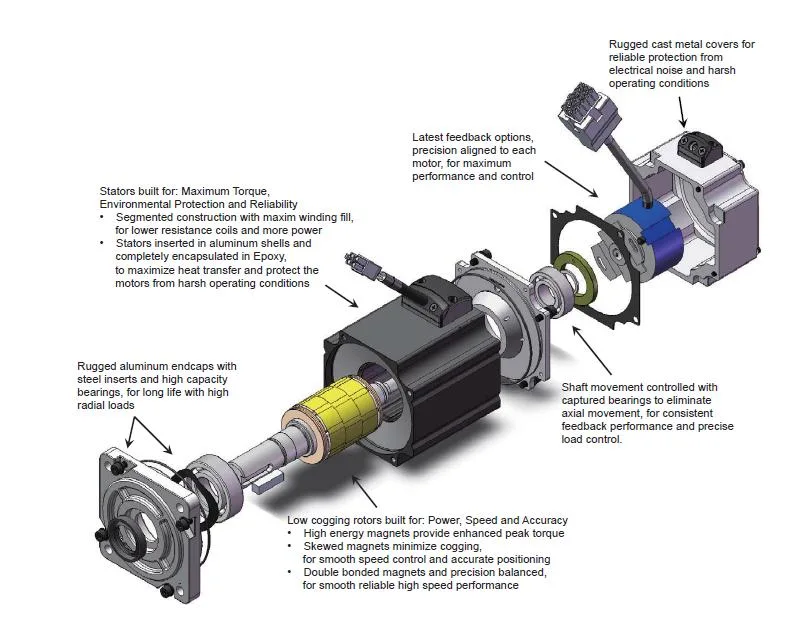
Housing Materials: Aluminum alloys (6061-T6, 7075-T6) for optimal heat dissipation, or ductile iron for high-stiffness applications
-
Shaft Materials: Induction-hardened 4140 steel (HRC 50-55) or nitrided 4340 for enhanced fatigue resistance
-
Bearing Materials: Vacuum-degassed bearing steel (SAE 52100) with ceramic hybrid options for high-speed applications
Precision Manufacturing and Quality Assurance
JLYPT’s manufacturing approach ensures the reliability of high reliability servo motor systems:
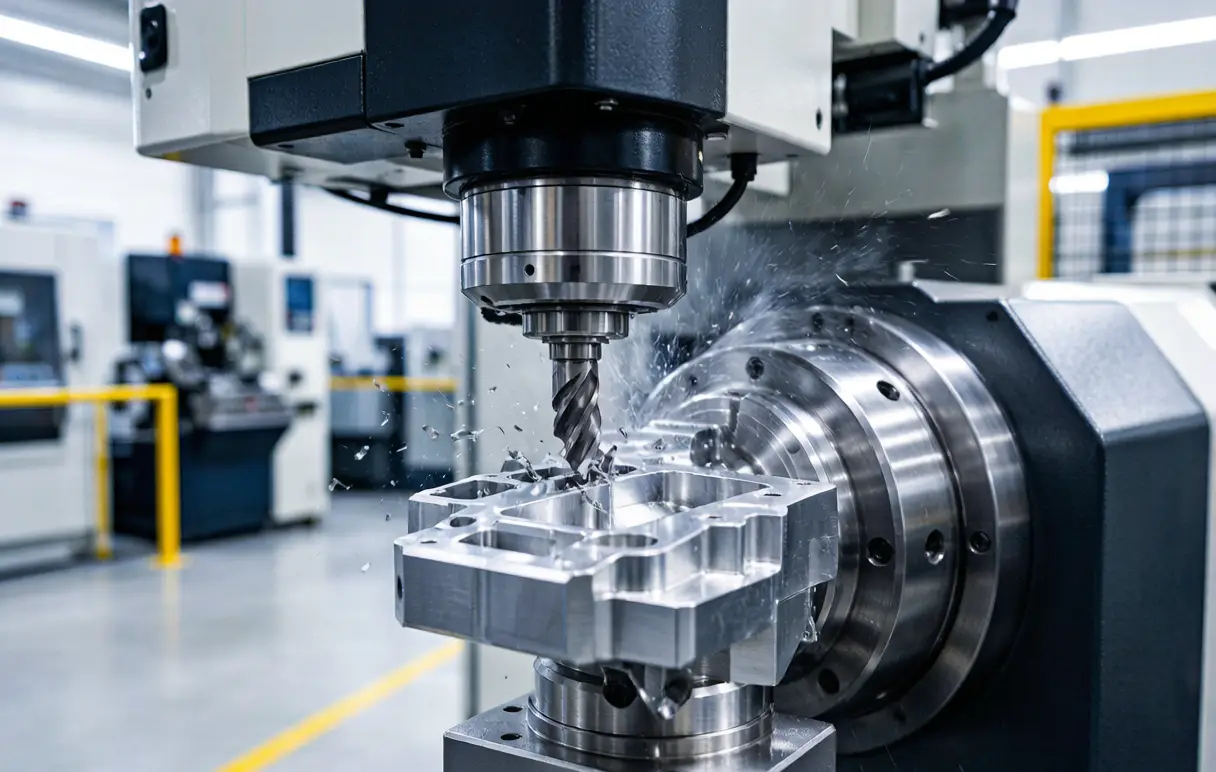
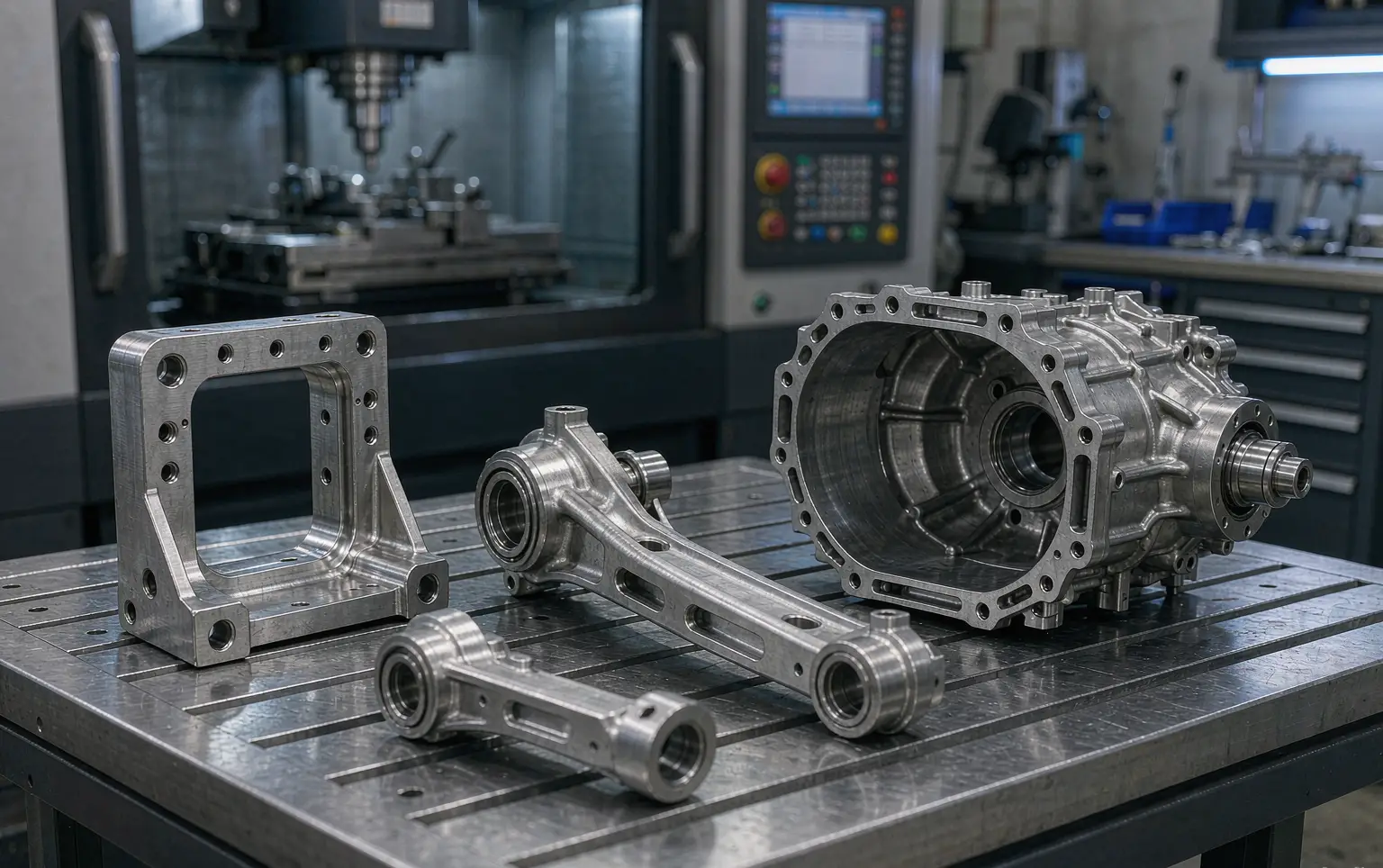
CNC Machining Excellence
-
Multi-Axis Precision Machining: 5-axis CNC machining centers achieving concentricity ≤ 0.005mm and perpendicularity ≤ 0.01mm/100mm
-
Thermal-Stable Machining: Environmentally controlled machining cells maintaining temperature within ±1°C to ensure dimensional stability
-
Surface Finish Optimization: Critical bearing and seal surfaces machined to Ra 0.4-0.8μm with controlled waviness (Wa ≤ 0.1μm)
Winding and Assembly Processes
-
Automated Winding Systems: Computer-controlled winding machines achieving fill factors ≥ 72% with tension control ±2%
-
Vacuum Pressure Impregnation (VPI): Complete encapsulation with epoxy resins having thermal conductivity ≥ 0.8 W/m·K
-
Precision Balancing: Dynamic balancing to ISO 1940 G2.5 standard, with residual unbalance ≤ 0.4·W/n (g·mm/kg)
Technical Performance Specifications
Table 1: High Reliability Servo Motor Performance Matrix
Performance Parameter Standard Industrial High Reliability Extreme Duty Ultra Precision MTBF (hours) 20,000-40,000 50,000-100,000 100,000-200,000 40,000-80,000 Peak Torque (Nm) 5-500 10-1000 20-2000 2-200 Continuous Torque (Nm) 2-200 5-400 10-800 1-100 Speed Range (RPM) 0-3000 0-6000 0-10000 0-5000 Torque Density (Nm/kg) 1.5-3.0 2.0-4.0 2.5-5.0 1.0-2.5 Efficiency (%) 85-92 90-95 92-96 88-94 Thermal Time Constant (min) 20-40 30-60 40-80 25-50 Insulation Class F (155°C) H (180°C) H+ (200°C) F (155°C) Protection Rating IP54 IP65 IP67 IP54 Vibration Resistance 5-200 Hz, 1.5g 5-500 Hz, 2.0g 5-2000 Hz, 3.0g 5-200 Hz, 1.0g Position Accuracy ±30 arc-sec ±15 arc-sec ±5 arc-sec ±2 arc-sec
Advanced Cooling and Thermal Management
Effective thermal management is critical for high reliability servo motor performance:
Cooling System Design
-
Liquid Cooling Systems: Double-walled housing designs with cooling channels achieving heat removal capacity to 500W/kg
-
Forced Air Cooling: Optimized fan designs providing airflow 0.5-2.0 m³/min with acoustic noise ≤ 65 dB(A)
-
Phase Change Materials: Integrated PCM capsules absorbing transient heat loads during peak operation
Thermal Monitoring and Protection
-
Embedded Temperature Sensors: Multiple PT100 or thermistor sensors with accuracy ±1°C and response time < 5 seconds
-
Thermal Model Integration: Real-time temperature estimation based on loss models and thermal network analysis
-
Adaptive Derating: Intelligent torque limitation based on actual thermal conditions rather than fixed curves
Case Study Applications
Case Study 1: Automotive Stamping Press Automation
-
Challenge: A major automotive manufacturer required servo motors for high-speed stamping presses operating 24/7 with 98.5% uptime requirement. Previous motors failed every 8-12 months due to bearing and insulation degradation.
-
Solution: JLYPT developed high reliability servo motor systems featuring ceramic hybrid bearings, enhanced insulation systems (Class H, 180°C), and integrated liquid cooling. The design included shaft grounding rings and enhanced sealing for the contaminated environment.
-
Result: Achieved MTBF of 85,000 hours with zero unscheduled downtime over 3 years. The solution reduced maintenance costs by 70% while increasing press speed by 15% through improved thermal performance.
Case Study 2: Semiconductor Wafer Handling Robots
-
Challenge: A semiconductor equipment manufacturer needed servo motors for vacuum-compatible wafer handling robots with mean time between failures exceeding 100,000 hours and outgassing rates < 1×10⁻⁹ Torr·L/sec·cm².
-
Solution: We engineered ultra-clean high reliability servo motor systems using specially processed materials, dry lubricated bearings, and vacuum-compatible insulation. The design incorporated magnetic couplings to eliminate dynamic seals in vacuum environments.
-
Result: Achieved MTBF of 120,000 hours in continuous operation with outgassing rates of 5×10⁻¹⁰ Torr·L/sec·cm². The solution enabled 99.95% availability in critical semiconductor manufacturing processes.
Case Study 3: Food and Beverage Packaging Lines
-
Challenge: A food processing company required washdown-duty servo motors capable of withstanding daily high-pressure cleaning with caustic chemicals while maintaining precise positioning for high-speed packaging.
-
Solution: JLYPT designed high reliability servo motor systems with IP69K protection, stainless steel housing components, and food-grade corrosion-resistant materials. The design included pressurized bearing seals and encapsulated connectors.
-
Result: Achieved 5 years of continuous operation without failure despite daily aggressive cleaning cycles. The solution maintained positioning accuracy of ±0.1° throughout the service period while meeting USDA and FDA hygiene requirements.
Predictive Maintenance and Condition Monitoring
Modern high reliability servo motor systems incorporate advanced monitoring capabilities:
Vibration Analysis Systems
-
Accelerometer Integration: MEMS-based sensors monitoring vibration spectra from 10 Hz to 10 kHz
-
Fault Frequency Detection: Algorithms identifying bearing defect frequencies (BPFO, BPFI, FTF, BSF) and electrical anomalies
-
Trend Analysis: Long-term vibration trending for early fault detection and remaining useful life prediction
Electrical Parameter Monitoring
-
Current Signature Analysis: Detection of rotor bar defects, eccentricity, and winding insulation degradation
-
Temperature Trending: Continuous thermal monitoring with adaptive alarm thresholds based on operating conditions
-
Insulation Resistance Testing: Periodic automated testing of winding insulation integrity
Future Technology Development
The evolution of high reliability servo motor technology continues with emerging innovations:
Advanced Material Applications
-
High-Temperature Superconductors: Enabling dramatic increases in power density and efficiency
-
Additive Manufacturing: 3D-printed cooling channels and optimized magnetic circuits
-
Nanocomposite Insulation: Materials with enhanced thermal conductivity and partial discharge resistance
Integrated Smart Features
-
Digital Twin Integration: Real-time virtual models predicting performance and remaining life
-
Wireless Condition Monitoring: Battery-less sensors powered by energy harvesting
-
Self-Diagnostic Systems: Embedded intelligence for automatic fault detection and classification
Implementation Best Practices
Successful deployment of high reliability servo motor systems requires comprehensive planning:
Installation and Commissioning
-
Alignment Procedures: Laser alignment achieving parallel misalignment ≤ 0.05mm and angular misalignment ≤ 0.05°
-
Electrical Installation: Proper grounding and shielding practices to minimize electromagnetic interference
-
Initial Testing: Comprehensive testing including insulation resistance, polarization index, and surge comparison
Operational Maintenance
-
Preventive Maintenance Schedule: Regular inspections including thermal imaging, vibration analysis, and electrical testing
-
Lubrication Management: Proper bearing re-lubrication intervals based on actual operating conditions
-
Environmental Protection: Regular inspection of seals and protective features in harsh environments
Conclusion: Engineering Reliability for Industrial Excellence
The design and manufacturing of advanced high reliability servo motor systems represent a critical engineering discipline that directly impacts industrial automation performance, productivity, and profitability. These sophisticated components combine precision electromagnetic design with robust mechanical construction to deliver exceptional performance throughout extended service lifetimes.
At JLYPT, our comprehensive approach to high reliability servo motor manufacturing encompasses everything from initial design optimization through precision machining, advanced assembly, and rigorous testing. Our commitment to engineering excellence ensures that our solutions meet the most demanding industrial requirements while providing exceptional value through extended service life and reduced total cost of ownership.
Ready to enhance your industrial automation systems with high reliability servo motor technology? Contact JLYPT today to discuss your specific application requirements with our engineering team. Our specialists will provide comprehensive technical support and custom manufacturing solutions tailored to your performance objectives and operational environment.