Powder Coating Service for Metal Parts (CNC-Ready): Pretreatment, Masking, Film Build, Cure Control, Quality Tests, and RFQ Specs That Prevent Rework
Powder coating is often described as “durable paint.” That shortcut creates expensive misunderstandings—especially for CNC machined components where tolerances, masking boundaries, edge coverage, and cosmetic expectations are far more specific than typical sheet-metal work.
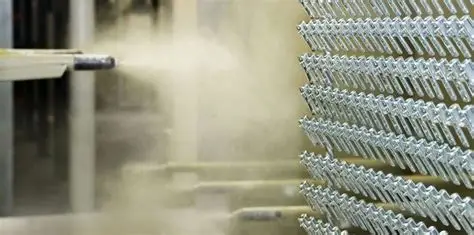
A powder coating service for metal parts is not just spraying powder and baking it. It’s a controlled manufacturing process that ties together:
- substrate condition (machined, blasted, welded, cast, heat-treated)
- surface chemistry (cleaning + conversion coating)
- electrostatic application physics (grounding, Faraday cage behavior, edge pull-back)
- thermal cure profile (metal temperature, dwell time, part mass)
- inspection strategy (film thickness, gloss, adhesion, color, corrosion)
- packaging discipline (preventing marring and imprinting)
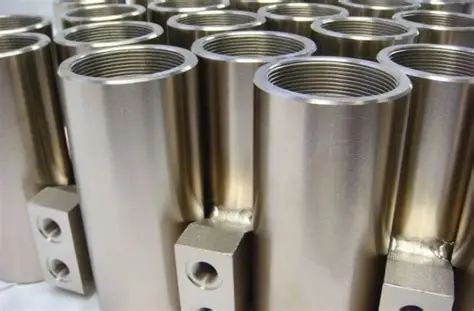
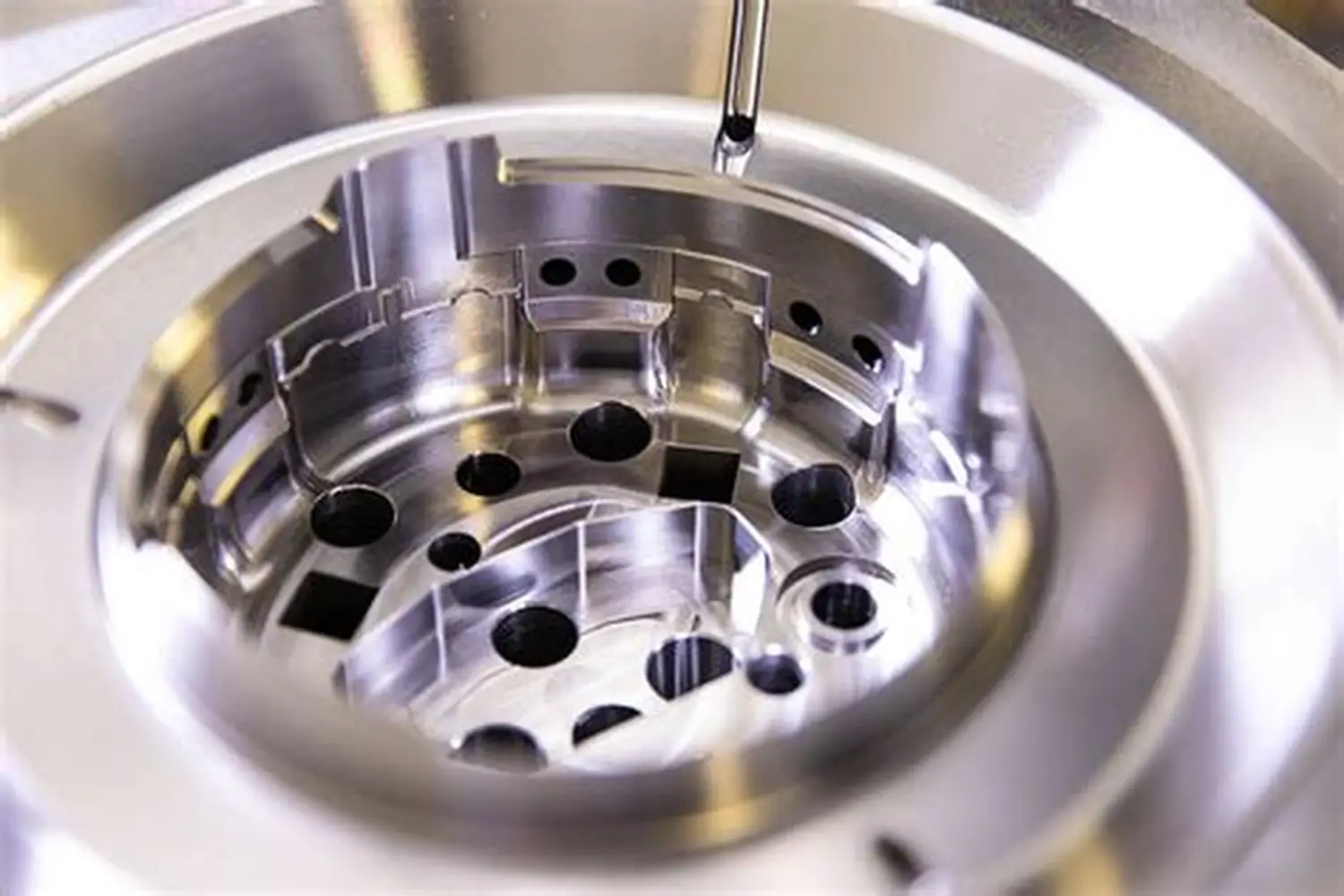
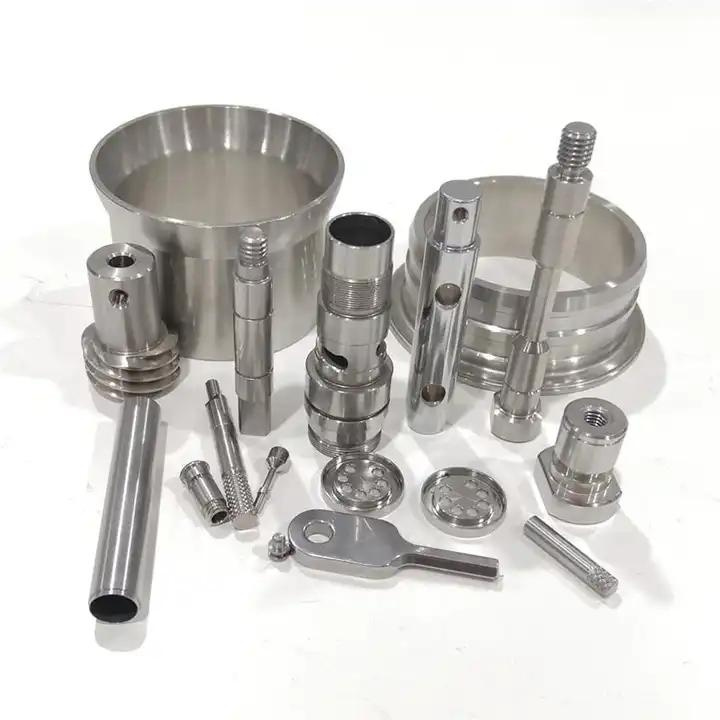
JLYPT is a CNC machining service provider. That matters because powder coating outcomes improve dramatically when the finisher understands what machining can leave behind: cutting fluids, embedded fines, sharp edges, burr shadows, and thread features that must remain functional after coating.
If your project also includes aluminum components that require anodizing, you can compare finishing routes here (internal link requested):
https://www.jlypt.com/custom-aluminum-anodizing-services/
Below is a CNC-focused, RFQ-conversion-oriented guide designed to help you specify—and successfully buy—a powder coating service for metal parts without guesswork.
H2: Why a Powder Coating Service for Metal Parts Is Specified After CNC Machining
CNC machining produces precise geometry, but it can also introduce variables that influence coating appearance and adhesion:
- Coolant and oil residues in pockets, tapped holes, and under ledges
- Micro-burrs that create “shadow lines” and thin-film zones
- Sharp edges where powder tends to “pull back” during cure
- Surface finish variability between toolpaths (especially on cosmetic faces)
- Mixed alloys or mixed lot history that react differently to pretreatment
- Handling marks that telegraph through smooth powder topcoats
A production-grade powder coating service for metal parts addresses these issues upstream with defined pretreatment, masking plans, and inspection checkpoints—so your parts arrive ready to assemble, not ready to argue about.
Table 1 — Powder coating benefits vs what it doesn’t solve
| Item | What powder coating does well | What it does not do |
|---|---|---|
| Corrosion protection | Strong barrier performance when pretreatment is correct | Cannot compensate for poor cleaning or untreated corrosion undercutting |
| Wear resistance | Good abrasion resistance in many powder chemistries | Not a substitute for hard anodize, nitriding, or hard chrome in high-wear interfaces |
| Appearance | Consistent color, gloss, and texture options | Will not hide machining lines unless texture/primer strategy is chosen |
| Coverage | Efficient for broad surfaces | Deep recesses and tight corners require strategy (Faraday cage effect) |
| Environmental | No solvent flash like wet paint | Still requires process control, filtration, and oven cure energy |
H2: Powder Chemistry Selection (Epoxy, Polyester, Hybrid, Urethane) for Metal Parts
Choosing powder is not a “pick a color” decision. It’s a performance decision tied to UV exposure, chemical contact, impact risk, and cosmetic expectations.
Table 2 — Powder types and where they fit best
| Powder type | Typical strengths | Typical limitations | Best use cases |
|---|---|---|---|
| Epoxy | Excellent chemical resistance and adhesion; strong interior durability | Poor UV stability (can chalk outdoors) | Indoor industrial parts, lab fixtures, internal machine frames |
| Polyester (TGIC / Primid systems) | Strong UV stability and outdoor weathering | Chemical resistance varies by formulation | Outdoor enclosures, brackets, housings, equipment covers |
| Hybrid (epoxy-polyester) | Balanced cost and performance indoors | Not ideal for long-term UV exposure | Office equipment, indoor products |
| Polyurethane powder | Good exterior durability + smooth appearance | Formulation-specific; cost can be higher | Premium cosmetics, outdoor products requiring smooth finish |
| Super-durable polyester | Superior weathering, gloss retention | Must be paired with robust pretreatment for full corrosion benefit | Outdoor equipment and long-life industrial products |
A serious powder coating service for metal parts should help you align powder type with service environment, not just quote “black powder coat.”
H2: Pretreatment Is the Make-or-Break Step in a Powder Coating Service for Metal Parts
Adhesion failures are rarely “bad powder.” They are almost always pretreatment, cleanliness, or substrate issues.
Pretreatment normally includes:
- cleaning/degreasing
- rinsing
- conversion coating (phosphate or zirconium/titanium-based, often chrome-free)
- final rinse / seal (process-dependent)
- dry-off
Table 3 — Common pretreatments by substrate
| Substrate | Typical pretreatment approach | Why it’s chosen | Notes |
|---|---|---|---|
| Mild steel | Iron phosphate or zinc phosphate + sealer | Improves adhesion + corrosion resistance | For outdoor steel, consider primer/topcoat systems |
| Aluminum (machined) | Clean + deoxidize + chromate-free conversion coating | Stabilizes surface chemistry for adhesion | Especially important after aggressive machining |
| Stainless steel | Clean + activation + suitable conversion step (if required by spec) | Supports adhesion on passive substrate | Coating stainless without activation can be risky |
| Cast aluminum | Clean + outgas bake (if needed) + conversion | Reduces pinholes from trapped gases | Cast porosity requires additional controls |
| Welded steel | Clean + blast (often) + phosphate | Removes scale/heat discoloration and improves anchor profile | Welding residues can cause fish-eyes and adhesion loss |
If you want powder coating to survive real-world use, your RFQ should treat pretreatment as a defined requirement, not a vague assumption.
H2: Surface Preparation Options (As-Machined vs Blasted) and What They Do to Appearance
CNC buyers often ask for “smooth powder coat.” That smoothness begins with the base metal.
Table 4 — Base surface finish vs expected powder appearance
| Base metal condition | Visual outcome after powder | Pros | Cons |
|---|---|---|---|
| Fine as-machined | Clean, “manufactured” look; toolpath may telegraph under smooth powders | No additional dimensional change | Cosmetic expectations must match machining marks |
| Media blasted (controlled) | Uniform matte; hides machining lines better | Consistent look, better mechanical key | Must avoid contamination and over-blasting edges |
| Brushed / polished | Directional cosmetic finish under clear or translucent powders | Premium aesthetic | Risk of handling marks; higher labor |
| Chemically cleaned only | Depends heavily on machining finish | Lowest change to geometry | Inconsistent cosmetic results if toolpaths vary |
A capable powder coating service for metal parts can help you choose a surface prep that matches both appearance and functional tolerances.
H2: Film Build, Tolerances, and Masking Strategy (Critical for CNC Fits)
Powder is a coating with thickness. That thickness affects press-fits, sliding interfaces, threads, sealing surfaces, and electrical bonding points.
Table 5 — Typical powder coating thickness targets (guideline ranges)
| Requirement | Typical target range | Why it matters |
|---|---|---|
| General industrial | ~60–100 μm (2.4–4.0 mil) | Balanced coverage and appearance |
| High cosmetic smoothness | Often thinner + smoother powder / controlled application | Reduces orange peel risk |
| Outdoor durability | Often within standard range but with robust pretreatment | Corrosion protection depends on pretreatment + edge coverage |
| Tight assemblies | Controlled, sometimes lower film build + masking | Prevents interference and torque issues |
| Heavy texture powders | Film build may be higher | Texture hides base marks but can fill sharp details |
Table 6 — CNC features that typically require masking
| Feature | Why masking is needed | Common masking approach |
|---|---|---|
| Internal threads | Powder reduces thread engagement and creates torque scatter | Silicone plugs, high-temp caps, or post-tap (program-dependent) |
| Ground pads | Coating blocks conductivity | Masked pads or post-coat removal (defined areas) |
| Bearing bores / slip fits | Coating changes ID and can gall during assembly | Plug + tight masking line control |
| Sealing faces | Film thickness affects gasket compression | Masking or controlled low-build spec |
| Datum surfaces (inspection) | Coating can affect CMM contact or gauge | Masked measurement surfaces (defined on drawing) |
A powder coating service for metal parts that supports CNC assemblies should offer a masking plan that is repeatable across lots—not an improvised tape job.
H2: The Faraday Cage Effect, Edge Pull-Back, and Corner Coverage (Real-World Powder Physics)
Two powder coating “surprises” create most functional complaints:
- Faraday cage effect: electrostatic field lines concentrate at edges, starving deep recesses of powder.
- Edge pull-back: during melt flow and cure, coating may thin at sharp edges and corners, reducing corrosion performance.
Table 7 — Geometry-driven coating risks and design fixes
| Geometry | Coating risk | Design / process mitigation |
|---|---|---|
| Deep U-channels | Low film build in bottom corners | Reduce depth-to-opening ratio; add access; adjust gun settings and racking |
| Sharp outside edges | Thin film; early corrosion at corners | Add radius/chamfer; specify edge coverage requirement |
| Blind pockets | Thin coat + trapped powder | Add venting; reconsider pocket geometry |
| Tight inside corners | Faraday shadowing | Increase corner radius; change rack angle |
| Dense hole patterns | Back-ionization risk and uneven build | Tune application and grounding; define acceptable appearance |
If you’re designing parts to live outdoors or in washdown environments, radiusing edges is not “cosmetic”—it is corrosion engineering.
H2: Cure Control (Oven Profile, Metal Temperature, Dwell Time)
Powder coating performance is tied to cure. “10 minutes at 200°C” only means something if the metal temperature reaches the specified cure window for the required dwell time.
Table 8 — Cure variables that change results
| Variable | What it impacts | Typical symptom if wrong |
|---|---|---|
| Metal temperature too low | Under-cure | Soft film, poor chemical resistance, poor adhesion |
| Metal temperature too high | Over-bake | Color shift, brittleness, gloss change |
| Part mass variation | Uneven cure | Mixed gloss or inconsistent hardness |
| Load density / rack spacing | Airflow and heating | Uneven appearance between parts |
| Cure time misinterpretation | Spec noncompliance | Premature failure despite “looks OK” |
For critical builds, a production-grade powder coating service for metal parts should be able to discuss cure in terms of part metal temperature and dwell, not just oven setpoint.
H2: Quality Control: What to Inspect and Which Standards Matter
Powder coating acceptance should be measurable. Here are the common checks used to control outcomes in production.
Table 9 — Inspection and test menu (choose based on risk)
| Check / Test | What it verifies | Typical method |
|---|---|---|
| Film thickness | Conformance to build target | Magnetic/eddy-current thickness gauge |
| Gloss | Consistency of sheen | Gloss meter (e.g., 60° geometry, spec-defined) |
| Color | Lot-to-lot color control | Visual standard panels + instrument checks if required |
| Adhesion | Coating bond | Crosshatch tape method (commonly referenced) |
| Cure | Degree of cure | Solvent rub (program-defined) or thermal profiling |
| Impact resistance | Chip resistance | Impact test (program-defined) |
| Corrosion resistance | System performance | Salt spray exposure (program-defined) |
| Visual standards | Cosmetics | Defined acceptance for orange peel, inclusions, scratches |
External references (authoritative, not competitors)
Include these as DoFollow links on your page:
- https://www.astm.org/standards.html
- https://www.iso.org/standards.html
- https://www.nist.gov/
- https://www.powdercoating.org/
(Those are standards/metrology/industry association resources, not competing service shops.)
H2: Common Powder Coating Defects on Metal Parts (Root Cause + Fix)
A strong powder coating service for metal parts should be able to diagnose defects quickly and prevent recurrence.
Table 10 — Defects library (symptom → probable cause → corrective action)
| Symptom | Probable cause | Corrective action |
|---|---|---|
| Fish-eyes / craters | Silicone/oil contamination | Improve cleaning; isolate silicone sources; verify rinse quality |
| Pinholes | Outgassing (cast metal), trapped solvents | Outgas bake; adjust pretreatment; modify cure ramp |
| Orange peel | Excess film build, improper flow/cure | Adjust film thickness; choose smoother powder; tune cure profile |
| Thin corners | Edge pull-back, poor application angle | Add radii; revise racking; multi-angle spray |
| Bare recesses | Faraday cage effect | Adjust voltage/current; reposition rack; use specialized techniques |
| Poor adhesion | Inadequate pretreatment or surface oxide | Correct conversion coating; verify cleaning/deoxidize steps |
| Color shift | Over-bake or cure variation | Control metal temperature; standardize load |
| Dust nibs | Booth contamination | Improve filtration/cleaning; better part staging discipline |
H2: Powder Coating System Builds (Single-Coat vs Primer + Topcoat)
If you need meaningful outdoor corrosion performance, a multi-layer system may be more appropriate than a single coat—especially on steel.
Table 11 — System selection by environment
| Environment | Recommended approach | Why |
|---|---|---|
| Indoor, dry | Single-coat epoxy or hybrid | Strong appearance and adequate durability |
| Outdoor, UV exposure | Polyester / super-durable polyester topcoat | Better gloss retention and chalk resistance |
| Outdoor steel in harsh conditions | Zinc-rich primer + durable topcoat | Better corrosion resistance at edges and scribe |
| Coastal / high humidity | Enhanced pretreatment + system build | Reduces underfilm corrosion risk |
| Chemical splash | Epoxy primer + compatible topcoat | Improves chemical resistance and durability |
H2: CNC-Specific DFM Tips for a Powder Coating Service for Metal Parts
Small design changes can reduce cost, improve yield, and improve coating quality.
Table 12 — DFM checklist (engineer-friendly)
| Recommendation | Why it helps | Example |
|---|---|---|
| Add edge radii | Improves edge film build | R0.5–R1.5 where function allows |
| Define masking surfaces | Prevents disputes | Call out “MASK THREADS” or “MASK GROUND PAD” |
| Avoid deep, narrow pockets | Reduces Faraday failures | Make pockets wider or add access |
| Provide rack points | Improves handling and cosmetics | Add non-cosmetic holes/slots for hanging |
| Specify A-surfaces | Aligns visual inspection | “A-SURFACE: FRONT FACE ONLY” |
| Decide on texture vs smooth | Controls expectations | “Fine texture” hides tool marks; smooth shows them |
| Consider assembly order | Avoids damaged finishes | Coat before final press fits or staking |
H2: What to Put on the Drawing (Copy/Paste Callouts)
Use callouts that control outcomes without over-constraining the supplier.
Table 13 — Example drawing notes (edit to your requirements)
| Goal | Example note |
|---|---|
| Basic powder coat | “POWDER COAT PER APPROVED COLOR AND GLOSS. ALL SURFACES UNLESS NOTED.” |
| Controlled thickness | “COATING THICKNESS: 60–90 μm (2.4–3.5 mil) TYP. DO NOT EXCEED XX μm ON FIT SURFACES.” |
| Masking | “MASK ALL THREADS, BEARING BORES, AND GROUND PADS. NO OVERSRAY PERMITTED.” |
| Outdoor durability | “SUPER-DURABLE POLYESTER POWDER TOPCOAT. PRETREAT WITH CHROMATE-FREE CONVERSION COATING.” |
| QC evidence | “PROVIDE COATING THICKNESS RECORDS PER LOT. ADHESION TEST PER PROGRAM REQUIREMENT.” |
| Cosmetic control | “A-SURFACES MUST BE FREE OF RUNS, SAGS, BLISTERS, AND VISIBLE CONTAMINATION UNDER STANDARD LIGHTING.” |
H2: 3 Production Case Studies (How Powder Coating Performs When Specified Correctly)
Case Study 1 — CNC Aluminum Electronics Enclosure (Cosmetic + Masked Threads)
Part: Machined aluminum enclosure set with visible faces, tapped holes, and a masked ground pad
Challenge: Customer needed consistent color and gloss across multiple batches and no powder in threads or on electrical contact points
Approach: Defined powder coating service for metal parts with chromate-free conversion coating, controlled film build, and documented masking boundaries (thread plugs + ground pad mask)
Outcome: Stable assembly torque on screws, reliable electrical bonding at the contact pad, and reduced cosmetic rejects due to standardized racking orientation.
Case Study 2 — Outdoor Steel Brackets (Edge Coverage + Corrosion Expectation)
Part: Steel brackets for outdoor equipment with sharp edges and mounting slots
Challenge: Early rust initiation at corners in field use
Approach: Updated design to include small edge radii where possible; implemented a corrosion-oriented coating system (pretreatment + robust powder selection) and added corner coverage checkpoints during inspection
Outcome: Better edge durability and fewer warranty returns tied to corner corrosion.
Case Study 3 — Cast Aluminum Component (Outgassing Control)
Part: Cast aluminum housings with porosity risk
Challenge: Pinholes and crater defects after cure, creating unacceptable cosmetics
Approach: Added an outgas management step (process-controlled) and tuned cure profile to reduce gas release during melt flow; tightened cleaning and handling
Outcome: Significantly improved surface appearance and reduced rework loops caused by pinholes.
H2: RFQ Checklist (Fast Quoting for Powder Coating Service for Metal Parts)
If you want a fast, accurate quote, send the information that actually drives cost and feasibility.
Table 14 — RFQ inputs that prevent delays
| RFQ item | Why it matters | Example |
|---|---|---|
| Material and alloy | Pretreatment and adhesion depend on substrate | 6061-T6, mild steel, 304 SS |
| Part photos / surfaces | Cosmetic expectations must be aligned | Identify A-surfaces |
| Color standard | Defines matching method | RAL code, Pantone, or sample chip |
| Gloss / texture | Impacts powder choice and appearance | Matte 10–20 GU, satin, fine texture |
| Thickness requirement | Protects fit features | 60–90 μm target; max on bores |
| Masking list | Prevents assembly failures | Threads, bores, ground pads, sealing faces |
| Use environment | Drives powder chemistry selection | Indoor, outdoor UV, coastal humidity |
| Test requirements | Defines acceptance proof | Thickness record, adhesion, corrosion |
| Quantity & delivery | Influences racking and batching | Prototype vs production volumes |
Internal Links (SEO + conversion routing)
Place these within the body (not just footer):
- Aluminum anodizing services (requested):
https://www.jlypt.com/custom-aluminum-anodizing-services/
If you have (or want) additional internal pages, a powder coating landing page typically converts better with links to:
- CNC machining services page
- Quality/inspection capability page
- Contact/RFQ form page
Closing CTA (Conversion-first, technical tone)
If you need a powder coating service for metal parts that won’t compromise CNC tolerances, thread function, electrical contact points, or cosmetic A-surfaces, send your drawing package and tell us four things: substrate, color/gloss, masking list, and thickness target. JLYPT will respond with a finish plan that’s practical for machining-built geometry—pretreatment, racking, cure control, and inspection included.
For aluminum projects comparing anodizing vs powder coating, see:
https://www.jlypt.com/custom-aluminum-anodizing-services/