Precision Micro Machining Services for Medical Devices | JLYPT
Executive Summary
Micro machining services have revolutionized the medical device industry by enabling the production of incredibly small, complex, and precise components that were previously impossible to manufacture. This advanced manufacturing approach combines advanced CNC technologies with specialized processes like laser micro-machining and micro-electrical discharge machining (EDM) to create medical components with micron-level accuracy. The applications range from minimally invasive surgical instruments and implantable devices to diagnostic equipment and drug delivery systems. This comprehensive guide explores the technical capabilities, materials, applications, and quality considerations of micro machining for medical devices, highlighting how these services are pushing the boundaries of what’s possible in modern healthcare and enabling innovative treatments that improve patient outcomes worldwide.
1 Introduction to Micro Machining in Medical Device Manufacturing
The medical device industry represents one of the most demanding applications for precision manufacturing, where dimensional accuracy, surface quality, and material integrity can directly impact patient safety and treatment efficacy. Micro machining services have emerged as a critical enabling technology for producing the increasingly sophisticated components required in modern healthcare. These processes involve creating extremely small features, often measured in micrometers, on a variety of biomedical materials including medical-grade stainless steels, titanium alloys, cobalt-chromium alloys, and various engineering polymers and ceramics.
The drive toward minimally invasive procedures has particularly accelerated the need for micro machining capabilities. Devices for procedures like endovascular surgery, ophthalmic surgery, and arthroscopic procedures require incredibly small components with complex geometries and stringent surface finish requirements. Micro machining fulfills these needs by combining advanced CNC equipment with specialized tooling and processes capable of achieving tolerances down to ±0.0005mm and surface finishes as fine as Ra 0.05μm .
Beyond dimensional precision, micro machining processes must maintain the biological compatibility of materials throughout manufacturing. This requires careful control of thermal effects, tooling selection, and cleaning procedures to ensure that no contaminants or material alterations compromise the device’s safety and performance. The combination of technical precision and material stewardship makes micro machining for medical devices a highly specialized field that demands both manufacturing expertise and biomedical knowledge.
Parts that can’t take any cutting force get marked instead. micro etching and engraving compares chemical and laser routes.
2 Micro Machining Technologies Overview
Micro machining encompasses several specialized technologies, each with unique capabilities for medical device manufacturing. The most common processes include:
2.1 Surface Micro Machining
Surface micro machining focuses on creating features on the exterior of a workpiece. This includes:
-
Micro Milling: Using miniature end mills (as small as 0.1mm diameter) to create micro-features, pockets, and channels. Micro milling excels at producing prototype devices and custom instruments where flexibility is valuable .
-
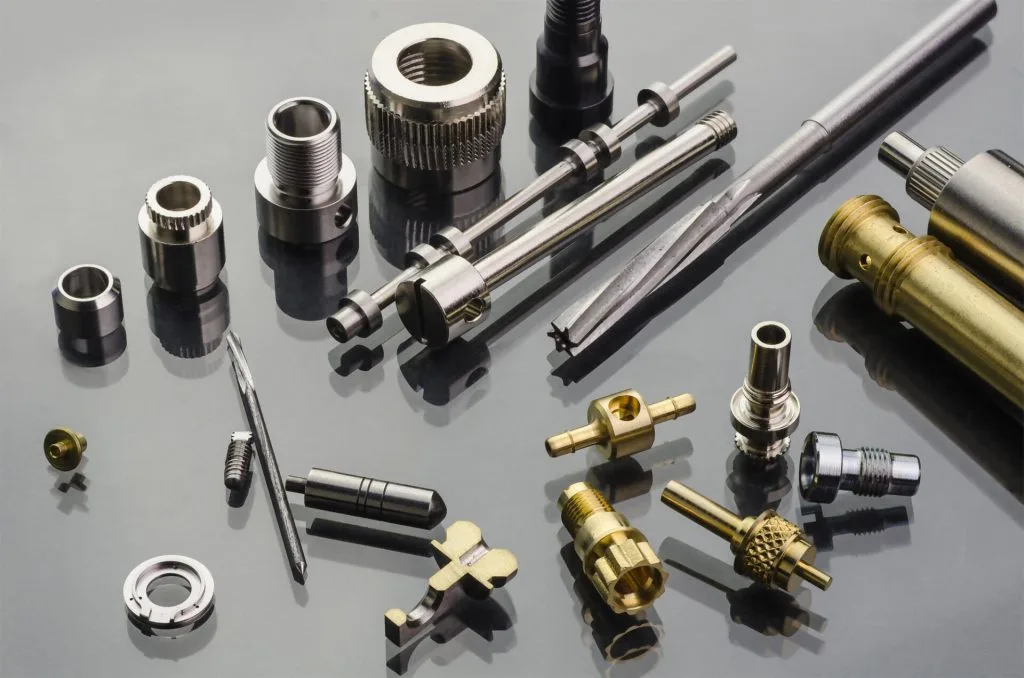
Micro Turning: Creating miniature cylindrical components like pins, shafts, and connectors for medical devices. This process is essential for producing surgical instrument components and implantable device parts .
-
Micro Grinding: Achieving superior surface finishes and precise geometries on ceramic implants and composite materials that are too brittle for conventional machining methods.
2.2 Bulk Micro Machining
Bulk micro machining involves removing material from the substrate to create three-dimensional features:
-
Micro EDM (Electrical Discharge Machining): Using controlled electrical discharges to erode material with exceptional precision. Micro EDM is particularly valuable for creating micro holes in fuel injectors, nozzles for drug delivery devices, and complex geometries in difficult-to-machine materials .
-
Laser Micro Machining: Employing focused laser beams to cut, drill, or ablate material with minimal thermal impact. This technology is indispensable for creating stents, filter elements, and mesh patterns in cardiovascular devices .
2.3 Laser Micro Machining
Laser-based processes warrant special attention for medical device manufacturing:
-
Laser Cutting: Using high-energy laser beams to cut complex patterns in thin materials. This is the primary method for manufacturing vascular stents from stainless steel, cobalt-chromium, and nitinol tubes .
-
Laser Drilling: Creating precise micro-holes in components for drug delivery systems, neurosurgical devices, and ophthalmic instruments where hole diameters can be smaller than human hair.
-
Laser Ablation: Selectively removing material to create textures, channels, or features without affecting the surrounding material, useful for creating surface textures on implants that enhance tissue integration.
Table: Comparison of Micro Machining Technologies for Medical Devices
| Technology | Tolerance Capability | Minimum Feature Size | Key Medical Applications | Suitable Materials |
|---|---|---|---|---|
| Micro Milling | ±0.001mm | 0.01mm | Surgical instrument components, implant features | Stainless steel, titanium, plastics |
| Micro Turning | ±0.0005mm | 0.05mm | Pins, connectors, shafts | Stainless steel, titanium, cobalt-chrome |
| Micro EDM | ±0.0002mm | 0.005mm | Nozzles, micro holes, complex geometries | All conductive materials including hardened metals |
| Laser Cutting | ±0.0005mm | 0.002mm | Stents, mesh devices, precision patterns | Metals, polymers, ceramics |
| Laser Drilling | ±0.001mm | 0.005mm | Drug delivery holes, filtration components | All materials including heat-sensitive substrates |
3 Special Considerations for Medical Device Applications
Micro machining for medical devices presents unique challenges beyond standard precision manufacturing requirements. The biological compatibility of components must be maintained throughout the manufacturing process, necessitating specialized approaches to tooling, cooling, and handling.
Biocompatibility requirements dictate that devices must not release harmful substances, cause adverse immune reactions, or promote microbial growth. This influences material selection and requires that machining processes don’t alter material properties in ways that could compromise biocompatibility. For example, electropolishing and passivation processes are often employed after machining to restore protective oxide layers and ensure surfaces are free of contaminants .
The sterilization requirements of medical devices impose another layer of complexity. Components must withstand sterilization methods including autoclaving (steam sterilization), gamma radiation, ethylene oxide gas, and hydrogen peroxide plasma without degrading or losing functionality. Micro machined components must therefore be free of features that could trap contaminants or compromise sterilization efficacy, such as microscopic cracks, crevices, or surface imperfections that could harbor pathogens.
Regulatory compliance represents another critical consideration. Medical devices must meet stringent quality standards including ISO 13485 for quality management systems and various region-specific regulations like the FDA’s Quality System Regulation in the United States and the Medical Device Regulation (MDR) in the European Union. These regulations require comprehensive documentation of manufacturing processes, materials, and quality control measures, placing additional demands on micro machining service providers .
4 Technical Capabilities and Materials
Micro machining services for medical devices support an extensive range of materials, each with unique machining characteristics and applications:
4.1 Metals and Alloys
Metals represent the most commonly machined materials for medical devices due to their strength, durability, and biocompatibility:
-
Stainless Steel (316LVM): The workhorse material for surgical instruments and implantable components due to its excellent corrosion resistance and mechanical properties. 316LVM is particularly valued for devices requiring repeated sterilization as it maintains its properties through numerous cycles.
-
Titanium and Titanium Alloys (Ti-6Al-4V): Prized for their high strength-to-weight ratio and excellent biocompatibility. Titanium’s resistance to corrosion and ability to osseointegrate (bond with bone) make it ideal for orthopedic implants and dental components.
-
Cobalt-Chromium Alloys: Offering superior wear resistance and high strength, these alloys are typically used for joint replacement surfaces and dental prosthetics where durability is critical.
-
Nitinol (Nickel-Titanium): A shape memory alloy that can “remember” and return to its original shape when heated. This unique property makes it invaluable for self-expanding stents, orthodontic arches, and other devices that require deployment mechanisms .
4.2 Polymers and Composites
Engineering polymers are increasingly used in medical devices for their light weight, radiolucency, and ease of processing:
-
PEEK (Polyether Ether Ketone): A high-performance polymer with bone-like stiffness and excellent sterilization resistance, making it ideal for trauma fixation devices and spinal implants.
-
ULTEM (Polyetherimide): A high-strength, heat-resistant transparent plastic used for surgical instrument handles and sterilization trays that must withstand repeated autoclaving.
-
PTFE (Polytetrafluoroethylene): Known for its exceptional chemical resistance and low friction, PTFE is used for catheter liners and other applications where lubricity is important.
4.3 Ceramics
Ceramic materials offer exceptional wear resistance and biocompatibility but present machining challenges due to their brittleness:
-
Alumina (Aluminum Oxide): Used for orthopedic bearing surfaces and dental implants due to its excellent wear properties and biocompatibility.
-
Zirconia (Zirconium Oxide): Valued for its high fracture toughness compared to other ceramics, making it suitable for dental crowns and bone screws.
Table: Material Selection Guide for Medical Micro Machining
| Material | Key Properties | Medical Applications | Machining Considerations |
|---|---|---|---|
| 316L Stainless Steel | Excellent corrosion resistance, good strength | Surgical instruments, implantable components | Machines well but work-hardens; requires sharp tools |
| Titanium Alloys | High strength-to-weight ratio, excellent biocompatibility | Orthopedic implants, dental components | Low thermal conductivity requires careful thermal management |
| Cobalt-Chromium | Extreme wear resistance, high strength | Joint replacement surfaces, dental prosthetics | Very hard material requiring specialized tooling |
| Nitinol | Shape memory, superelasticity | Stents, orthodontic devices | Difficult to machine due to elasticity; often laser cut |
| PEEK | Bone-like stiffness, radiolucent | Trauma fixation, spinal implants | Requires sharp tools to avoid melting and poor surface finish |
| Alumina Ceramic | Extreme hardness, wear resistance | Orthopedic bearings, dental implants | Brittle material requiring diamond tooling and gentle cuts |
5 Medical Device Applications and Case Studies
Micro machining services enable countless medical applications across all healthcare sectors. Here are three detailed case studies demonstrating real-world implementations:
5.1 Case Study 1: Neurovascular Intervention Device
A medical device company needed to develop a miniature flow diverter for treating brain aneurysms. The device required a braided mesh structure with precise pore sizing to redirect blood flow away from the aneurysm while maintaining perfusion to adjacent vessels.
Challenge: Creating a consistent mesh pattern with strut widths of 0.030mm and overall device diameter of 2.5mm using super-elastic nitinol alloy. The device needed to be contoured to match cerebral vasculature and heat-treated to set its expanded shape while maintaining super-elastic properties for deployment.
Solution: The device was manufactured using a combination of laser micro machining and specialized heat treatment processes. A femtosecond laser system with 400nm wavelength was used to cut the complex mesh pattern from nitinol tubing, achieving the required precision without thermal damage to the material. Following cutting, the devices were mounted on custom mandrels and heat-treated in a vacuum furnace to set their expanded shape while maintaining the material’s super-elastic properties .
Result: The manufactured flow diverters demonstrated consistent pore sizing with variations of less than 0.001mm, ensuring predictable hemodynamic performance. The devices successfully passed mechanical testing including compression, fatigue, and deployment force testing, and received regulatory approval for clinical use.
5.2 Case Study 2: Minimally Invasive Surgical Instrument
A surgical instrument manufacturer required articulating jaws for a micro-invasive surgical system used in ophthalmic procedures. The components needed to transmit precise motion through a 1.0mm diameter shaft while providing a secure grasping surface for delicate retinal tissue.
Challenge: Machining the miniature articulating components from 17-4PH stainless steel with precision pivot features and alignment holes smaller than 0.1mm in diameter. The components required exceptional surface finish (better than Ra 0.1μm) to minimize friction and prevent particulate generation that could compromise the sensitive ocular environment.
Solution: The components were manufactured using 5-axis micro milling with specialized carbide micro-tools. The machining process was conducted in a temperature-controlled environment (±0.5°C) to maintain dimensional stability, and used high-pressure coolant to control heat and improve surface finish. Following machining, components underwent electropolishing to further improve surface finish and remove microscopic burrs .
Result: The manufactured instrument components met all dimensional requirements with tolerances of ±0.002mm and surface finishes of Ra 0.08μm. The completed surgical system enabled procedures through incisions smaller than 1.0mm, significantly reducing patient recovery time compared to conventional approaches.
5.3 Case Study 3: Orthopedic Implant with Porous Structure
An implant manufacturer needed to develop a spinal fusion device with a bone-integrating porous surface to improve long-term stability. The device required a solid core for structural strength surrounded by a porous region with 0.3-0.5mm pore size to encourage bone ingrowth.
Challenge: Creating consistent porous structures with controlled pore size and geometry while maintaining the structural integrity of the implant. The transition from solid to porous material needed to be gradual to prevent stress concentration that could lead to device failure.
Solution: The implant was manufactured using a hybrid approach combining CNC micro machining for the solid core features with laser powder bed fusion (L-PBF) additive manufacturing for the porous structures. The solid core was first machined from Ti-6Al-4V rod stock, then the porous surface was added using L-PBF with precisely controlled parameters to create the optimal pore structure for bone integration .
Result: The hybrid manufacturing approach produced implants with superior mechanical properties compared to fully additive manufactured devices, while maintaining the bone-integrating porous surface. The devices demonstrated excellent osteointegration in animal studies, with bone growth observed throughout the porous structure within 12 weeks of implantation.
6 Integrating Additive Manufacturing with Micro Machining
The combination of additive manufacturing (AM) and subtractive micro machining represents a powerful approach for medical device manufacturing. This hybrid methodology leverages the strengths of both technologies to produce components with complex geometries and precision features that would be challenging or impossible to achieve with either technology alone.
Laser Powder Bed Fusion (L-PBF) is particularly valuable for creating complex internal channels, porous structures, and organic shapes that would be difficult to machine conventionally. However, as-produced AM components typically require precision machining to achieve critical tolerances on sealing surfaces, mating features, and dimensional interfaces .
Directed Energy Deposition (DED) processes can be used to add material to existing components or create near-net-shape preforms that are then finished with precision machining. This approach is particularly valuable for custom orthopedic implants that must match patient-specific anatomy while maintaining precision bearing surfaces and connection features.
The integration of these technologies requires careful planning throughout the design and manufacturing process. Design for Hybrid Manufacturing considerations include:
-
Stock Allowance: Adding 0.1-0.5mm of additional material on features requiring machining after additive manufacturing
-
Build Orientation: Optimizing AM build direction to minimize support structures and ensure critical features can be effectively machined
-
Stress Relief: Incorporating thermal treatments between AM and machining processes to relieve residual stresses that could cause distortion
-
Datum Structures: Including reference features in the AM build that can be used to establish datums for subsequent machining operations
Table: Hybrid Manufacturing Applications in Medical Devices
| AM Technology | Strengths | Machining Requirements | Medical Applications |
|---|---|---|---|
| Laser Powder Bed Fusion (L-PBF) | Complex internal channels, porous structures, organic geometries | Critical sealing surfaces, precision bores, threads | Orthopedic implants with porous surfaces, surgical instruments with internal cooling |
| Directed Energy Deposition (DED) | Adding material to existing components, repairing expensive parts | Final contouring, precision dimensional features | Custom implant modification, instrument repair |
| Stereo-lithography (SLA) | High-resolution features, smooth surface finish | Mold tooling, precision alignment features | Diagnostic device components, surgical planning models |
| Fused Deposition Modeling (FDM) | Low-cost prototyping, multi-material capabilities | Functional testing components, trial fitting | Surgical guides, instrument prototypes |
7 Quality Assurance and Metrology
Maintaining quality in medical micro machining requires sophisticated inspection methodologies and quality management systems that far exceed standard manufacturing requirements. The combination of extremely small features and regulatory requirements necessitates a comprehensive approach to quality assurance.
Advanced metrology equipment is essential for verifying micro-machined medical components. This includes:
-
Vision Systems: Automated optical inspection systems with magnification capabilities up to 1000X or more for verifying feature dimensions, surface defects, and overall geometry.
-
Laser Scanning Confocal Microscopes: Providing non-contact 3D surface measurement with nanometer-level vertical resolution, essential for verifying surface roughness and texture parameters.
-
Coordinate Measuring Machines (CMM): Precision CMMs with micro-probes capable of measuring features as small as 0.1mm with sub-micron accuracy.
-
Scanning Electron Microscopy (SEM): Used for detailed failure analysis and defect investigation when required, providing magnification up to 100,000X for examining surface features.
The quality management system for medical micro machining must comply with ISO 13485 standards and typically includes:
-
Design Controls: Documented processes for translating customer requirements into manufacturing specifications.
-
Process Validation: Rigorous validation of manufacturing processes to demonstrate they consistently produce components meeting specifications.
-
Traceability Systems: Comprehensive material and component tracking from raw material to finished device.
-
Change Control: Formal processes for evaluating and implementing changes to ensure they don’t adversely affect device safety or efficacy.
-
Documentation Controls: Managing the extensive documentation required for medical device manufacturing, including device history records, inspection reports, and material certifications .
Table: Quality Control Measures for Medical Micro Machining
| Quality Aspect | Control Measures | Inspection Methods | Acceptance Criteria |
|---|---|---|---|
| Dimensional Accuracy | Process capability studies, SPC monitoring | Optical comparators, vision systems, CMM | Typically ±0.005mm or better depending on feature |
| Surface Finish | Tooling selection, cutting parameter optimization | Surface profilometry, AFM | Ra 0.1-0.4μm for most implant surfaces |
| Material Integrity | Material certification, process parameter control | Metallography, SEM, EDS analysis | No alterations affecting biocompatibility or performance |
| Cleanliness | Controlled environment, specialized cleaning | Particulate counting, chemical analysis | ISO 14644 Class 7 or better cleanroom standards |
| Biocompatibility | Material selection, process controls | Extract testing, ISO 10993 biological evaluation | No adverse biological effects |
8 Conclusion: Advancing Healthcare Through Precision Manufacturing
Micro machining services have become an indispensable enabling technology for the medical device industry, supporting innovations that improve patient outcomes across virtually every medical specialty. The ability to create increasingly smaller, more complex, and more precise components has driven progress in minimally invasive surgery, implantable devices, drug delivery systems, and diagnostic equipment.
The future of medical micro machining will be shaped by several emerging trends. Additive manufacturing integration will continue to advance, enabling increasingly complex geometries and patient-specific devices. Smart manufacturing technologies including IoT connectivity, machine learning, and real-time adaptive control will improve process consistency and reduce variability. New materials including biodegradable metals, advanced composites, and nanostructured materials will create new opportunities and machining challenges.
Throughout these advancements, the fundamental requirements for quality, precision, and reliability will remain paramount in medical device manufacturing. The most successful manufacturers will be those who can balance innovation with rigorous quality systems, adopting new technologies while maintaining the discipline required for medical device production.
At JL YPT, we combine advanced micro machining capabilities with extensive medical device experience to help our customers develop and manufacture the next generation of healthcare innovations. Our facilities are equipped with advanced micro machining equipment, metrology systems, and cleanroom environments specifically configured for medical device manufacturing.
Ready to discuss your medical device micro machining project? Contact JLYPT today to leverage our expertise in precision manufacturing for your most challenging medical device applications.
Applicable standard: ASTM F136-13 covers implant-grade wrought Ti-6Al-4V ELI.