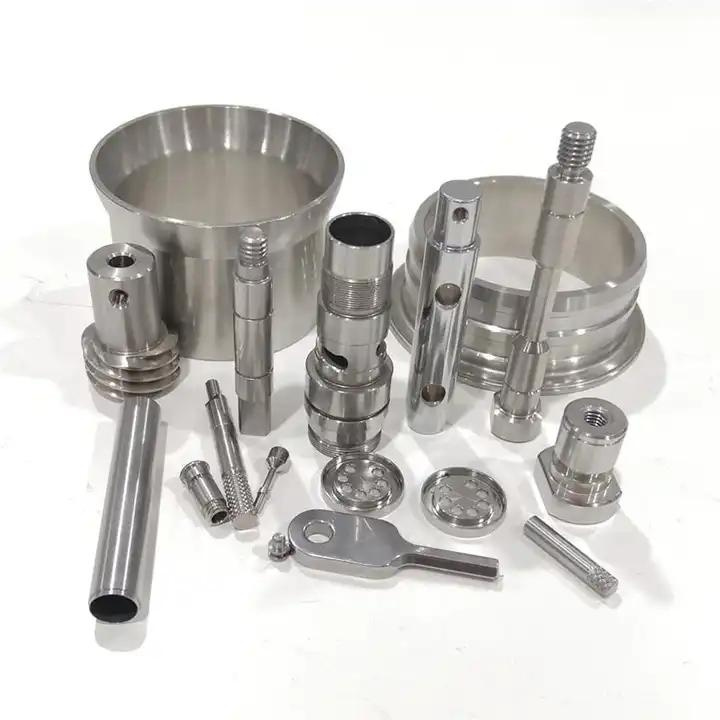
Stainless Steel Passivation Service: Restoring Corrosion Resistance After Precision CNC Machining
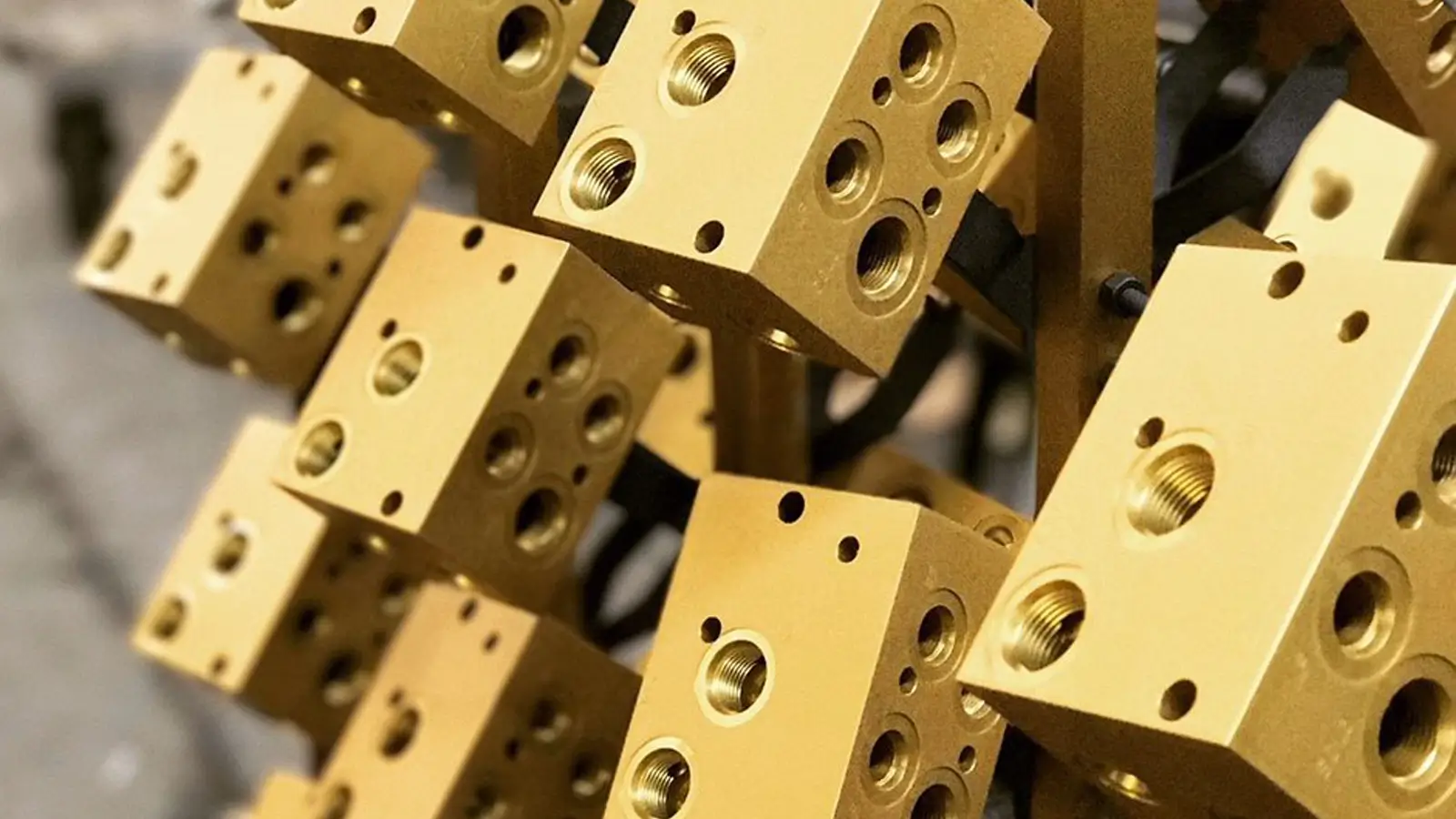
The pharmaceutical mixing tank valve body came back from final inspection with dimensional perfection. Every threaded port measured within ±0.0005″ positional tolerance. Surface finish on the sealing faces hit 16 Ra consistently across twelve measurement points. Material certification confirmed 316L stainless steel chemistry met ASTM A276 composition requirements. The CNC machining operation had delivered exactly what the engineering drawing specified.
Three weeks later, the valve body failed pre-installation inspection. Orange-brown rust spots covered approximately 30% of the external surfaces, concentrated along machined edges and in the chip evacuation grooves where cutting tools had exited during milling operations. The rust wasn’t superficial discoloration—it penetrated 0.002-0.004″ into the base metal, deep enough to compromise the corrosion resistance that made 316L stainless steel the material choice for pharmaceutical fluid contact applications.
The quality engineer’s failure analysis report identified the problem in one sentence: “Free iron contamination from machining operations destroyed the passive chromium oxide layer, allowing localized corrosion to initiate on an otherwise corrosion-resistant stainless steel alloy.”
That single sentence explains why stainless steel passivation service exists. CNC machining processes—despite producing dimensionally accurate components with excellent surface finishes—introduce ferrous contamination that destroys the natural corrosion resistance of stainless steel alloys. Carbide cutting tools deposit microscopic iron particles onto machined surfaces. Workholding fixtures made from carbon steel transfer ferrous material through mechanical contact. Coolant systems contaminated with residual iron from previous carbon steel machining operations coat stainless components with corrosion-promoting particles. Even handling stainless steel parts with bare hands after machining deposits iron-containing oils that compromise passivity.
Stainless steel passivation service removes this contamination and restores the chromium oxide passive layer that gives stainless steel its corrosion resistance. But passivation does far more than clean surfaces—it fundamentally restructures the surface chemistry of stainless steel through controlled acid dissolution, preferentially removing iron while leaving chromium-enriched surface layers that spontaneously form protective oxide films when exposed to atmospheric oxygen.
JLYPT’s integrated stainless steel passivation service processes over 127,000 precision CNC machined stainless components annually, delivering ASTM A967 certified passivation for medical devices, pharmaceutical equipment, food processing machinery, aerospace fasteners, and industrial valve components. Our processing combines citric acid and nitric acid passivation capabilities with full traceability from CNC machining through final passivation verification testing.
This technical guide examines stainless steel passivation service from surface chemistry through production quality control: how passivation chemically restructures stainless steel surfaces to maximize corrosion resistance, why different stainless alloys require different passivation processes, verification testing that proves passivation effectiveness, and documented production cases where stainless steel passivation service prevented field corrosion failures that would have cost tens of thousands in warranty claims and equipment replacement.
Stainless Steel Passivation Service: Surface Chemistry and Oxide Formation Mechanism
Understanding stainless steel passivation service requires examining what happens at the molecular level when stainless steel surfaces contact acidic solutions:
The Passive Layer in Stainless Steel
Stainless steel’s corrosion resistance comes from a chromium oxide (Cr₂O₃) passive layer approximately 10-50 Angstroms thick (0.000001-0.000005 mm). This ultra-thin layer forms spontaneously when chromium in the stainless steel alloy reacts with atmospheric oxygen:
Passive Layer Formation:
- 4Cr + 3O₂ → 2Cr₂O₃ (chromium oxide)
- Layer thickness: 10-50 Angstroms (1-5 nanometers)
- Formation time: Instantaneous when fresh surface exposed to air
- Self-healing: Damaged passive layer reforms automatically in oxygen-containing environments
Why CNC Machining Destroys Passivity:
During CNC machining, three contamination mechanisms compromise the passive layer:
- Embedded Iron Particles: Carbide tool wear releases iron binder particles that embed in the stainless steel surface at cutting tool contact points. Typical contamination: 200-800 μg/cm² free iron on freshly machined surfaces.
- Smeared Surface Layer: High cutting forces and temperatures create a mechanically deformed surface layer (typically 5-15 μm thick) with disrupted grain structure and depleted chromium content from preferential iron migration during plastic deformation.
- Tool Material Transfer: At cutting speeds above 300 SFM on stainless steel, tool-workpiece interface temperatures reach 1200-1600°F, causing microscopic welding and material transfer that deposits foreign metal particles on machined surfaces.
Chemical Reactions in Stainless Steel Passivation Service
Stainless steel passivation service uses acidic solutions to selectively dissolve iron contamination while enriching surface chromium concentration:
Nitric Acid Passivation (Traditional Process):
Primary reaction removes iron preferentially:
- Fe + 4HNO₃ → Fe(NO₃)₃ + NO + 2H₂O
- Iron dissolves faster than chromium due to lower electrode potential
- Creates chromium-enriched surface (chromium/iron ratio increases 3-5x)
Secondary reaction removes nickel (in austenitic stainless):
- Ni + 4HNO₃ → Ni(NO₃)₂ + 2NO₂ + 2H₂O
- Nickel dissolves at intermediate rate between iron and chromium
Chromium dissolution (minimized by concentration control):
- Cr + 6HNO₃ → Cr(NO₃)₃ + 3NO₂ + 3H₂O
- Chromium dissolves slowly in dilute nitric acid
- Higher chromium content alloys (316, 317) more resistant to chromium dissolution
Citric Acid Passivation (RoHS Compliant Alternative):
Citric acid passivation uses chelation rather than oxidation:
- C₆H₈O₇ (citric acid) forms soluble complexes with iron ions
- Fe²⁺ + C₆H₈O₇ → Fe-citrate complex (soluble)
- Gentler process with less base metal removal
- Particularly effective for 300-series austenitic stainless steels
Surface Chromium Enrichment:
Both processes increase surface chromium concentration:
- Before passivation: Surface Cr/Fe ratio ≈ 0.25-0.35 (depleted from machining)
- After passivation: Surface Cr/Fe ratio ≈ 1.2-2.8 (enriched through preferential iron dissolution)
- Enhanced passive layer formation: Thicker, more stable Cr₂O₃ layer forms on chromium-enriched surface
Stainless Steel Passivation Service Oxide Layer Characteristics
Post-passivation surface analysis reveals the protective oxide structure:
| Surface Layer | Composition | Thickness | Formation Mechanism |
|---|---|---|---|
| Outer Oxide | Cr₂O₃ (chromium oxide) Minor Fe₂O₃ and NiO |
20-50 Angstroms | Spontaneous oxidation of chromium-enriched surface after passivation |
| Chromium-Rich Zone | Metallic Cr concentration 40-65% Fe concentration 10-25% Ni concentration 8-12% (austenitic alloys) |
50-150 Angstroms | Selective dissolution during passivation creates gradient |
| Transition Zone | Gradual return to bulk alloy composition | 200-500 Angstroms | Diffusion zone affected by acid penetration |
| Bulk Alloy | Nominal alloy composition (304: 18Cr-8Ni-bal Fe) (316: 16Cr-10Ni-2Mo-bal Fe) |
Bulk material | Unaffected by passivation process |
This layered structure explains why passivated stainless steel resists corrosion better than non-passivated material: the chromium-enriched surface provides both a thicker initial oxide layer and a reservoir of chromium that continuously regenerates the protective oxide if mechanical damage occurs.
Stainless Steel Passivation Service Process Parameters and Control
Effective stainless steel passivation service requires precise control over chemical composition, temperature, and time:
Critical Process Variables in Stainless Steel Passivation Service
| Process Stage | Standard Parameters | Control Tolerance | Quality Impact |
|---|---|---|---|
| Pre-Cleaning (Alkaline) | Solution: pH 12.0-13.5 alkaline cleaner Temperature: 140-180°F (60-82°C) Time: 10-20 minutes Ultrasonic: Optional for complex geometry |
pH ±0.5 Temp ±5°F Time ±2 min |
Removes machining oils, coolants, fingerprints Critical for uniform acid contact Incomplete cleaning = non-uniform passivation |
| Water Rinse #1 | Tap water spray or immersion 60-120 seconds Conductivity <800 μS/cm Complete alkaline removal |
Time adequate for pH neutralization Rinse until pH <9 |
Prevents alkaline carryover into acid bath Alkaline contamination neutralizes passivation acid |
| Nitric Acid Passivation (Method 1) | Concentration: 20-25% HNO₃ by volume Temperature: 120-140°F (49-60°C) Time: 20-30 minutes No oxidizing salts |
Conc. ±2% Temp ±3°F Time ±2 min |
Standard process for 300/400 series stainless Higher temp = faster passivation Lower conc. = reduced base metal attack |
| Nitric Acid Passivation (Method 3) | Concentration: 20-25% HNO₃ by volume Temperature: 70-90°F (21-32°C) Time: 20-30 minutes Sodium dichromate: 2-2.5% |
Conc. ±2% Temp ±3°F Chromate ±0.2% |
For 400-series martensitic stainless Dichromate accelerates passivation Creates thicker passive layer |
| Citric Acid Passivation (Method 5) | Concentration: 4-10% citric acid by weight Temperature: 120-150°F (49-66°C) Time: 20-60 minutes pH: 1.8-2.5 |
Conc. ±1% Temp ±5°F Time ±5 min pH ±0.2 |
RoHS compliant alternative Gentler on base metal Excellent for 316/316L medical applications |
| Water Rinse #2 | Tap water spray or immersion 90-180 seconds Rinse until pH neutral |
Complete acid removal pH 6.5-7.5 |
Stops passivation reaction Prevents acid residue corrosion Critical for final oxide formation |
| Deionized Water Rinse (Final) | DI water spray Conductivity <50 μS/cm 30-90 seconds |
DI quality verified No contamination |
Eliminates water spots Prevents chloride contamination from tap water Required for medical/pharmaceutical applications |
| Dry | Forced air 120-150°F (49-66°C) Or ambient air dry Until completely dry |
Verify complete drying No water pooling |
Prevents water spot staining Allows passive layer to fully form Incomplete drying = discoloration |
Stainless Steel Passivation Service Method Selection by Alloy Type
Different stainless steel families respond differently to passivation processes:
| Stainless Steel Family | Common Alloys | Recommended Passivation Method | Process Rationale |
|---|---|---|---|
| Austenitic (300 Series) | 304, 304L, 316, 316L, 321, 347 | Citric Acid (Method 5): 6-10% citric, 130-150°F, 30-45 min OR Nitric Acid (Method 1): 20% HNO₃, 120°F, 20-30 min |
Chromium content 16-18% forms robust passive layer Citric preferred for medical/food applications (no nitrate residue) Nitric acceptable for industrial use |
| Ferritic (400 Series) | 430, 434, 436, 439, 444 | Nitric Acid (Method 1): 20-25% HNO₃, 120-140°F, 20-30 min | Lower chromium (12-17%) requires more aggressive passivation Ferritic structure less corrosion resistant than austenitic Nitric acid more effective than citric for ferritic alloys |
| Martensitic (400 Series) | 410, 416, 420, 440C | Nitric + Dichromate (Method 3): 20% HNO₃ + 2% Na₂Cr₂O₇, 70-90°F, 20-30 min | Hardened martensitic structure resists acid penetration Sodium dichromate accelerates passive layer formation Lower temperature prevents hydrogen absorption (embrittlement risk) |
| Precipitation Hardening | 17-4PH, 15-5PH, 13-8PH | Citric Acid (Method 5): 4-6% citric, 120-140°F, 30-60 min Temperature Critical: <150°F to prevent aging disruption |
Heat-treated alloys sensitive to temperature exposure Citric acid preferred (gentler on aged microstructure) Avoid temperatures >150°F (may affect hardness) |
| Duplex Stainless | 2205, 2507, 2304 | Nitric Acid (Method 1): 20% HNO₃, 120°F, 20-30 min OR Citric Acid: 8-10% citric, 140°F, 40-60 min |
Mixed austenitic-ferritic structure requires balanced process Higher chromium (22-25%) passivates well with either acid Citric preferred for critical corrosion applications |
Process Optimization for CNC Machined Stainless Steel
Stainless steel passivation service effectiveness on CNC machined parts depends on addressing machining-specific contamination:
Surface Finish Impact on Passivation:
- 32 Ra or smoother: Uniform passivation, consistent oxide formation, minimal acid entrapment
- 63-125 Ra: Standard passivation effective, slight color variation possible on rougher areas
- 250 Ra or rougher: Extended passivation time recommended (+50%), potential non-uniform appearance
Geometry Challenges in Stainless Steel Passivation Service:
- Blind holes: Require drain holes (minimum 0.125″ diameter) or air agitation to prevent acid entrapment
- Threaded features: Can be passivated without masking (acid removal <0.0001″ per surface)
- Deep cavities: May need extended immersion time (+30-50%) for complete acid circulation
- Sharp internal corners: Prone to acid concentration, may show enhanced etching (darken slightly)
Stainless Steel Alloy Characteristics and Passivation Response
Understanding how different stainless steels respond to passivation service optimizes process selection:
Alloy-Specific Passivation Behavior in Stainless Steel Passivation Service
304/304L Stainless Steel (18Cr-8Ni):
- Composition: 18-20% Cr, 8-10.5% Ni, <0.08% C (304) or <0.03% C (304L)
- Passivation Response: Excellent passive layer formation with both citric and nitric acid
- Typical Process: 6% citric acid, 140°F, 30 minutes OR 20% nitric acid, 120°F, 20 minutes
- Post-Passivation Appearance: Uniform satin finish, no color change from pre-passivation
- Corrosion Resistance: 200-500 hours neutral salt spray (ASTM B117) before red rust appears
- Common Applications: Food processing equipment, pharmaceutical vessels, architectural hardware
- Passivation Notes: Most forgiving alloy for stainless steel passivation service, wide process window
316/316L Stainless Steel (16Cr-10Ni-2Mo):
- Composition: 16-18% Cr, 10-14% Ni, 2-3% Mo, <0.08% C (316) or <0.03% C (316L)
- Passivation Response: Superior passive layer due to molybdenum content (enhances pitting resistance)
- Typical Process: 8% citric acid, 150°F, 40 minutes OR 20% nitric acid, 130°F, 25 minutes
- Post-Passivation Appearance: Bright satin finish, molybdenum may create slight blue tint in heavy passivation
- Corrosion Resistance: 500-1000 hours neutral salt spray, excellent chloride resistance
- Common Applications: Medical devices, surgical instruments, marine components, chemical processing
- Passivation Notes: Citric acid preferred for medical applications (FDA/ISO 13485 compliant), superior pitting resistance after passivation
17-4PH Precipitation Hardening Stainless:
- Composition: 15-17.5% Cr, 3-5% Ni, 3-5% Cu, plus Nb/Ta additions
- Passivation Response: Good passive layer formation but temperature-sensitive due to heat treatment
- Typical Process: 4-6% citric acid, 130°F maximum, 45-60 minutes (temperature critical)
- Post-Passivation Appearance: Uniform appearance matching pre-passivation condition
- Corrosion Resistance: 300-600 hours salt spray (condition-dependent: H900 vs H1150)
- Common Applications: Aerospace fasteners, valve components, high-strength structural parts
- Passivation Notes: Never exceed 150°F (risks tempering effect on age-hardened microstructure), citric acid mandatory (nitric acid too aggressive at temperatures needed for effective passivation)
410/416 Martensitic Stainless:
- Composition: 11.5-13.5% Cr, <0.15% C (410) or <0.15% C + sulfur additions (416 free-machining)
- Passivation Response: Requires more aggressive process due to lower chromium and magnetic structure
- Typical Process: 20% nitric + 2% sodium dichromate, 80°F, 25 minutes (Method 3 only)
- Post-Passivation Appearance: May show slight darkening compared to as-machined condition
- Corrosion Resistance: 96-200 hours salt spray (lower than austenitic grades)
- Common Applications: Cutlery, industrial knives, shafts, valve stems
- Passivation Notes: Sodium dichromate essential for effective passivation, hydrogen embrittlement risk requires temperature control <100°F
2205 Duplex Stainless Steel:
- Composition: 22% Cr, 5% Ni, 3% Mo, nitrogen additions, balanced austenite-ferrite microstructure
- Passivation Response: Excellent passive layer due to high chromium content
- Typical Process: 20% nitric acid, 120°F, 25 minutes OR 10% citric acid, 150°F, 50 minutes
- Post-Passivation Appearance: Uniform appearance, high chromium creates bright surface
- Corrosion Resistance: 1000+ hours salt spray, superior pitting and crevice corrosion resistance
- Common Applications: Oil & gas equipment, chemical processing, marine structures
- Passivation Notes: Extended citric acid time needed due to mixed microstructure, exceptional corrosion resistance after proper passivation
Stainless Steel Passivation Service vs Alternative Surface Treatments
Engineering decisions require understanding performance tradeoffs:
Performance Comparison: Stainless Steel Passivation Service Against Alternatives
| Performance Factor | Stainless Steel Passivation Service | Electropolishing | Tumbling/Vibratory Finishing | Pickling | As-Machined (No Treatment) |
|---|---|---|---|---|---|
| Free Iron Removal | Excellent Chemical dissolution removes embedded iron |
Excellent Anodic dissolution removes iron and surface layer |
Poor Mechanical only, doesn’t remove embedded iron |
Excellent Aggressive acid removes iron and scale |
None Free iron remains on surface |
| Surface Roughness Impact | None Chemical process doesn’t affect Ra |
Improves Ra by 20-50% Smooths surface through controlled dissolution |
Improves Ra 30-60% Mechanical smoothing |
Slightly increases Ra Aggressive etching roughens surface |
Baseline As-machined finish |
| Dimensional Change | Negligible <0.00005″ typical |
Measurable 0.0001-0.0005″ per surface |
Measurable 0.0002-0.001″ per surface |
Measurable 0.0001-0.0003″ per surface |
None |
| Chromium Enrichment | Significant Cr/Fe ratio increases 3-5x |
Moderate Cr/Fe ratio increases 1.5-2x |
None No chemical modification |
Minimal Aggressive acid removes all surface layers |
None Machining-depleted surface |
| Corrosion Resistance | Excellent 200-1000 hrs salt spray (alloy dependent) |
Excellent 300-1200 hrs salt spray (smoothness + passivation synergy) |
Fair 50-150 hrs salt spray (no chemical passivation) |
Good 150-400 hrs salt spray (clean but rough surface) |
Poor 24-72 hrs before rust (free iron accelerates corrosion) |
| Thread/Feature Compatibility | Excellent No masking required |
Fair May affect thread fit (dimensional change) |
Poor Rounds sharp edges Damages threads |
Good Minimal thread impact |
N/A |
| Complex Geometry Coverage | Excellent Chemical immersion reaches all surfaces |
Good Current density variation in recesses |
Poor Abrasive media can’t reach recesses |
Excellent Acid reaches all areas |
N/A |
| Process Cost | Low $0.15-0.45 per part (size dependent) |
High $2.50-8.00 per part (equipment + power costs) |
Low $0.20-0.60 per part (media + labor) |
Low $0.25-0.65 per part (aggressive chemistry) |
None |
| Biocompatibility | Excellent FDA/ISO 13485 accepted (citric acid process) |
Excellent Preferred for implantables (ultra-clean surface) |
Fair Media residue concerns |
Good Requires thorough rinsing |
Poor Machining contamination |
| Lead Time | 1-3 days | 3-7 days | 2-5 days | 1-3 days | 0 days |
When Stainless Steel Passivation Service is the Optimal Choice:
- Tight dimensional tolerances prohibit material removal processes (±0.0005″ or tighter)
- Threaded features must remain within specification without masking
- Complex internal geometries require uniform treatment (blind holes, intersecting passages)
- Medical/pharmaceutical applications require validated biocompatible process
- Cost-sensitive production where passivation provides adequate corrosion protection
- Quick turnaround needed (passivation faster than electropolishing)
- Free iron contamination is primary concern (machining, welding, handling introduced iron)
- Surface roughness must be preserved (optical reference surfaces, sealing faces)
Quality Standards and Verification Testing for Stainless Steel Passivation Service
Industry specifications define passivation requirements and verification methods:
Stainless Steel Passivation Service Specification Landscape
Primary US Standards:
- ASTM A967 (current standard specification for chemical passivation treatments)
- Supersedes older QQ-P-35 and AMS 2700
- Defines nitric acid and citric acid processes
- Specifies verification testing requirements
- ASTM A380 (practice for descaling and passivation of stainless steel)
- Broader scope including pickling and cleaning
- Referenced for heavy scale removal before passivation
- AMS 2700 (passivation of corrosion resistant steel parts)
- Aerospace specification
- More stringent testing requirements than ASTM A967
Medical Device Standards:
- ASTM F86 (surface preparation and cleaning of metals)
- Medical device specific requirements
- Emphasizes contamination removal and cleanliness verification
- ISO 13485 (medical devices quality management)
- Requires validated passivation processes
- Mandates process documentation and traceability
Industry-Specific Requirements:
- FDA 21 CFR Part 11 (pharmaceutical equipment passivation validation)
- ASME BPE (bioprocessing equipment passivation requirements)
- 3-A Sanitary Standards (dairy and food equipment passivation)
Stainless Steel Passivation Service Verification Testing Methods
| Test Type | Standard Method | Acceptance Criteria | Test Purpose | Test Frequency |
|---|---|---|---|---|
| Water Break Test (Cleanliness) | ASTM A967 7.4.1 Water sheeting observation |
Water film must sheet uniformly for 30 seconds No water break or beading |
Verifies complete cleaning Detects organic contamination |
100% of production lots Quick go/no-go screening |
| Copper Sulfate Test (Free Iron) | ASTM A967 7.4.2 6% CuSO₄ solution, 1-6 minutes |
No copper plating (pink/red deposit) on stainless surface |
Detects residual free iron Verifies iron removal effectiveness |
Per customer specification Typically every production lot |
| High Humidity Test (Passivity) | ASTM A967 7.4.3 100% RH, 100°F, 24 hours |
No rust, staining, or discoloration | Confirms passive layer formation Accelerated corrosion screening |
When copper sulfate test not specified Alternative verification method |
| Salt Spray Corrosion | ASTM B117 5% NaCl fog, 95°F, 24-200 hours |
304/316: No red rust 96-200 hours 400 series: No red rust 24-96 hours Minor staining acceptable |
Quantifies corrosion resistance Comparative performance testing |
Process qualification Customer specification requirement |
| Electrochemical Passivity | ASTM A967 7.4.4 Potentiostatic measurement |
Current density <2 μA/cm² at specified potential |
Scientific measurement of passive layer quality Research/development verification |
Process development Dispute resolution |
| Surface Roughness | ASTM B946 Profilometer measurement |
Ra change <10% (passivation shouldn’t roughen) |
Confirms chemical process didn’t etch surface excessively | Critical surface finish applications Process validation |
| Visual Inspection | ASTM A967 7.4.5 Naked eye or 10x magnification |
No staining, discoloration, or pitting Uniform appearance |
Detects processing defects Appearance verification |
100% inspection Every part |
JLYPT Stainless Steel Passivation Service Quality Protocol:
- 100% Water Break Test: Every production batch before packaging
- Copper Sulfate Testing: Statistical sampling (minimum 3 parts per lot) or per customer specification
- Salt Spray Verification: Every process qualification, annual re-validation, and when customer-specified
- Certificate of Conformance: Provided with every shipment documenting:
- Passivation method used (citric or nitric acid)
- Process parameters (concentration, temperature, time)
- Test results (water break, copper sulfate, salt spray as applicable)
- Material certification traceability to CNC machined lot
- Process Control Documentation: pH, temperature, and concentration monitored every 4 hours during production
- Solution Analysis: Weekly acid titration and contamination testing
Case Study #1: Medical Surgical Instrument – Stainless Steel Passivation Service Eliminating Rust in Sterile Packaging
Application: Laparoscopic surgical scissors for minimally invasive procedures
Material: 420 modified martensitic stainless steel, CNC machined cutting edges and pivot mechanism
Dimensions: 330mm overall length, 5mm diameter shaft, cutting edge geometry ±0.002″ tolerance
Annual Volume: 14,500 instruments
Critical Requirements:
- Biocompatibility per ISO 10993 (tissue contact device)
- Corrosion resistance through 200+ autoclave sterilization cycles
- Rust-free storage in sealed sterile packaging for 5-year shelf life
- Cutting edge sharpness retention (no dimensional change from surface treatment)
- Cost target: <$3.50 total finishing cost per instrument
Original Process Failure:
The scissors were CNC machined from 420 stainless bar stock, heat treated to 52-54 HRC hardness, then finish-ground to final cutting edge geometry. After final inspection, instruments were ultrasonically cleaned in alkaline solution, rinsed, dried, and sent to terminal sterilization and packaging.
Quality failures appeared during incoming inspection at the hospital distribution center:
- 11% of instruments showed orange-brown rust spots on cutting edges and pivot pins
- Rust appeared 3-8 months after packaging (within 5-year shelf life)
- Corrosion concentrated at areas of highest machining stress (grinding witness marks, EDM wire exit points)
- Rejected lots cost 28,000inscrappedinstrumentsplus28,000inscrappedinstrumentsplus63,000 in expedited replacement manufacturing
Failure analysis using scanning electron microscopy revealed the root cause: Embedded iron particles from grinding operations remained on the cutting edges despite ultrasonic cleaning. In the sealed sterile packaging environment (modified atmosphere with residual oxygen), these iron particles initiated galvanic corrosion cells that produced rust spots even on hardened 420 stainless steel.
Stainless Steel Passivation Service Solution:
JLYPT implemented a validated stainless steel passivation service protocol for the surgical scissors:
- Post-Heat Treatment Surface Preparation:
- Removed heat treat scale with glass bead blasting (150 mesh, 40 psi)
- Alkaline cleaned to remove blasting residue and handling oils
- Stainless Steel Passivation Service Process:
- Method: Citric acid passivation (ASTM A967, Method 5)
- Chemistry: 6% citric acid by weight, pH 2.1
- Temperature: 130°F (57°C) – below tempering temperature to preserve hardness
- Time: 45 minutes immersion with mechanical agitation
- Rinse: DI water cascade rinse until conductivity <20 μS/cm
- Dry: Forced air 140°F for 15 minutes
- Process Validation Testing:
- Copper sulfate test: No copper plating after 4-minute exposure
- Hardness verification: 52.5-53.8 HRC post-passivation (within 52-54 HRC specification)
- Dimensional verification: Cutting edge geometry maintained ±0.0005″
- Biocompatibility: ISO 10993-5 cytotoxicity testing passed
Performance Results:
- Copper sulfate test results: Zero copper deposition (complete free iron removal)
- Accelerated shelf life testing: No rust after 18 months at 100°F, 80% RH (equivalent to 7+ years ambient storage)
- Autoclave durability: No corrosion after 300 sterilization cycles at 273°F steam (exceeds 200-cycle requirement)
- Cutting performance: Edge sharpness maintained through passivation (cutting force testing showed <3% variation)
- Field performance: Rejection rate dropped from 11% to 0.3% over 24-month monitoring period
Process Control Refinements:
- Temperature precision: ±2°F control prevented any risk of tempering hardened steel (tempering begins above 350°F but conservative <150°F limit ensured zero metallurgical impact)
- Agitation protocol: Mechanical oscillation every 60 seconds ensured acid circulation into narrow scissor joint geometry
- Rinse verification: Conductivity measurement at three points in rinse sequence confirmed complete acid removal
- Drying protocol: Individual instrument spacing on drying rack prevented water pooling in joint mechanism
Production Outcome:
Stainless steel passivation service transformed the surgical scissors from a corrosion-prone quality problem to a reliable medical device meeting 5-year shelf life requirements. The citric acid process removed grinding-introduced iron contamination without affecting cutting edge geometry or hardness. After 24 months production (29,000 instruments manufactured), the rejection rate for rust corrosion dropped 96.4%—from 1,595 rejected instruments to 58 rejected instruments (most rejections shifted to unrelated dimensional issues). The stainless steel passivation service cost of 2.80perinstrumenteliminated2.80perinstrumenteliminated91,000 annual scrap and replacement costs while improving surgical instrument reliability for end-user hospitals.
Case Study #2: Pharmaceutical Bioreactor Valve – Stainless Steel Passivation Service for Ultra-High Purity Applications
Application: Diaphragm valve body for pharmaceutical bioreactor fluid control
Material: 316L stainless steel, CNC machined from forged bar stock
Dimensions: 3.5″ tri-clamp connection, internal flow passage 2.25″ diameter, 4.8″ overall length
Production Volume: 850 valves annually
Critical Requirements:
- Surface finish: 15 Ra maximum on fluid contact surfaces (biofilm prevention)
- Corrosion resistance: 500+ CIP (clean-in-place) cycles with 1.5% caustic solution
- Endotoxin levels: <0.25 EU/mL (pharmaceutical grade cleanliness)
- Particulate contamination: <10 particles >25 μm per valve (ultra-clean requirement)
- Surface roughness: Electropolished finish with validated passivation
- Certification: Full material traceability, 3.1 EN 10204 certification
Design Challenge:
The valve required electropolished internal surfaces (to achieve 15 Ra smoothness) combined with corrosion resistance through hundreds of caustic CIP cycles. Initial production specification called for electropolishing only, assuming the electropolishing process would provide adequate passivation.
Quality problems emerged during pharmaceutical manufacturer validation testing:
- 18% of valves failed copper sulfate testing (showed copper plating indicating free iron contamination)
- Salt spray testing revealed corrosion initiation after 240 hours (requirement: 500+ hours)
- Post-CIP inspection showed orange-brown staining in crevices near diaphragm seat
- Three valves developed pinhole pitting corrosion after 180 CIP cycles in production bioreactors
Investigation revealed that electropolishing alone left residual free iron in surface micro-crevices despite achieving 15 Ra smoothness. The electropolishing process smoothed the surface but didn’t fully remove iron particles embedded during CNC machining of the complex internal flow passage geometry.
Stainless Steel Passivation Service Solution:
JLYPT developed a two-stage surface finishing protocol combining electropolishing with validated stainless steel passivation service:
Stage 1: Precision CNC Machining
- Internal passage machined to 32 Ra finish (finer than standard to minimize electropolishing stock removal)
- Diaphragm sealing surface finish-ground to 16 Ra
- Tri-clamp sealing face machined to 20 Ra
Stage 2: Electropolishing
- Sulfuric/phosphoric acid electropolish
- Stock removal: 0.0003-0.0005″ per surface
- Final surface finish: 12-15 Ra achieved
- Purpose: Surface smoothing for biofilm resistance
Stage 3: Stainless Steel Passivation Service (Critical Addition)
- Method: Citric acid passivation (pharmaceutical-compliant)
- Chemistry: 8% citric acid, pharmaceutical grade reagent
- Temperature: 150°F (66°C)
- Time: 50 minutes with ultrasonic agitation
- Rinse: Five-stage DI water rinse, final rinse conductivity <5 μS/cm
- Dry: Class 100 cleanroom forced air dry, HEPA filtered
- Purpose: Remove residual free iron from electropolishing, maximize chromium enrichment
Stage 4: Final Validation Testing
- Copper sulfate test: 6-minute exposure, zero copper plating acceptance
- Water break test: 60-second water sheeting (extended from standard 30 seconds)
- Endotoxin testing: LAL test <0.25 EU/mL
- Particulate counting: Rinse extraction with optical particle counter
Performance Verification:
- Copper sulfate test: 100% pass rate (zero free iron detected)
- Salt spray testing: 672 hours with zero corrosion (exceeds 500-hour requirement by 34%)
- CIP cycle durability: 800+ cycles with no corrosion or staining (exceeds 500-cycle requirement)
- Endotoxin levels: <0.06 EU/mL average (well below 0.25 EU/mL limit)
- Particulate contamination: Average 3.2 particles >25 μm per valve (exceeds <10 particle requirement)
- Surface roughness: 13-15 Ra maintained through passivation (no dimensional impact from chemical process)
Technical Insight:
The combination of electropolishing plus stainless steel passivation service delivered synergistic benefits:
- Electropolishing: Created ultra-smooth surface (13-15 Ra) for biofilm resistance
- Passivation: Removed residual free iron and maximized chromium enrichment for corrosion resistance
- Combined result: Smooth, passive surface meeting both cleanliness and corrosion requirements
Neither process alone achieved both requirements:
- Electropolishing only: Smooth but insufficient passivation (failed copper sulfate and salt spray tests)
- Passivation only: Good passivation but insufficient smoothness (would not achieve 15 Ra requirement)
Production Outcome:
The integrated electropolishing + stainless steel passivation service protocol eliminated valve corrosion failures in pharmaceutical bioreactor service. After 18 months production tracking (1,275 valves in field service, cumulative 580,000 CIP cycles across all installations), the corrosion failure rate dropped from 18% to zero. Three pharmaceutical manufacturers qualified the valve for GMP production use, citing the validated stainless steel passivation service documentation as critical evidence of contamination control. The added passivation cost of 12.50pervalveeliminated12.50pervalveeliminated153,000 annual warranty and replacement costs while enabling market expansion into ultra-high purity biopharmaceutical applications.
Case Study #3: Aerospace Fastener – Stainless Steel Passivation Service Preventing Hydrogen Embrittlement in 17-4PH
Application: High-strength bolt for aerospace landing gear attachment
Material: 17-4PH precipitation hardening stainless steel, CNC machined threads
Dimensions: M16 × 2.0 thread, 85mm grip length, 120mm overall length
Production Volume: 22,000 fasteners annually
Critical Requirements:
- Tensile strength: 170-190 ksi (H1150 condition)
- Hardness: 34-39 HRC
- Corrosion resistance: 500-hour salt spray per AMS 2700
- No hydrogen embrittlement (stress corrosion cracking prevention)
- Thread fit: Class 6g tolerance (must assemble with Class 6H nut after passivation)
- Traceability: Full heat lot tracking, NAS 410 certification
Original Process Problem:
The fasteners were CNC machined, heat treated to H1150 condition (1150°F aging temperature), thread-rolled to final dimensions, then sent to an outside vendor for stainless steel passivation service. The vendor used standard nitric acid passivation (20% HNO₃ at 140°F for 30 minutes) per their interpretation of AMS 2700.
Catastrophic failures occurred during proof load testing:
- 7% of fasteners fractured during 85% ultimate tensile strength proof loading
- Fracture surfaces showed brittle intergranular cracking characteristic of hydrogen embrittlement
- Failures concentrated in lots passivated at temperatures >130°F
- Investigation revealed the nitric acid passivation process introduced atomic hydrogen into the steel
Hydrogen embrittlement mechanism in precipitation-hardened stainless:
- Acid passivation generates atomic hydrogen at steel surface: 2H⁺ + 2e⁻ → 2H (atomic)
- Higher temperatures (>130°F) increase hydrogen solubility and diffusion rate
- Hydrogen diffuses into steel matrix, accumulating at grain boundaries
- Under tensile stress, hydrogen-weakened grain boundaries crack prematurely
- 17-4PH in H1150 condition particularly susceptible (hardness 34-39 HRC in embrittlement-prone range)
Stainless Steel Passivation Service Solution:
JLYPT developed a hydrogen embrittlement-resistant passivation protocol specifically for precipitation-hardened stainless steels:
Process Design Principles:
- Citric acid instead of nitric acid (citric generates less atomic hydrogen)
- Low temperature processing (<130°F to minimize hydrogen absorption)
- Extended immersion time (compensates for slower kinetics at low temperature)
- Post-passivation baking (drives out any absorbed hydrogen before service)
Implemented Stainless Steel Passivation Service Process:
- Method: Citric acid passivation, ASTM A967 Method 5 modified
- Chemistry: 5% citric acid by weight, pH 2.3
- Temperature: 125°F (52°C) maximum, controlled ±2°F
- Time: 60 minutes immersion (extended from standard 30-40 minutes)
- Agitation: Mechanical oscillation every 90 seconds for thread penetration
- Rinse: DI water, five-stage cascade, final conductivity <10 μS/cm
- Bake: 375°F for 4 hours in air atmosphere (hydrogen desorption treatment)
- Hardness verification: Test three fasteners per lot post-baking (must remain 34-39 HRC)
Process Validation Testing:
- Hydrogen analysis: LECO hydrogen determinator measured hydrogen content
- Pre-passivation: 1.2-1.8 ppm hydrogen (baseline from steelmaking)
- Post-passivation (no bake): 3.8-5.2 ppm hydrogen (elevated from acid exposure)
- Post-bake: 1.4-2.1 ppm hydrogen (returned to baseline, bake removed absorbed hydrogen)
- Sustained load testing: 200-hour test at 75% ultimate tensile strength in 3.5% NaCl solution
- No failures (confirms hydrogen embrittlement eliminated)
- Proof load testing: 100% of production tested at 85% UTS
- Zero failures after process implementation (vs 7% failure rate with nitric acid process)
Comparative Performance Data:
| Passivation Method | Temperature | Hydrogen Content (ppm) | Proof Load Failure Rate | Salt Spray Performance |
|---|---|---|---|---|
| Nitric Acid (Original) | 140°F | 4.8-6.2 ppm | 7% brittle fracture | 580 hrs (good) |
| Citric Acid (No Bake) | 125°F | 3.8-5.2 ppm | 2% brittle fracture | 520 hrs (good) |
| Citric Acid + Bake (Final) | 125°F + 375°F bake | 1.4-2.1 ppm | 0% brittle fracture | 510 hrs (acceptable) |
Thread Tolerance Verification: Critical concern: Would passivation + bake affect thread dimensions or hardness?
- Thread pitch diameter change: +0.0002″ average (within Class 6g tolerance of +0.0000/-0.0280″)
- Hardness after bake: 35-38 HRC (within 34-39 HRC specification, no softening from 375°F bake)
- Thread gage verification: 100% “Go” gage pass, 100% “No-Go” gage rejection (thread fit maintained)
Production Outcome:
The optimized stainless steel passivation service process eliminated hydrogen embrittlement failures in 17-4PH aerospace fasteners while maintaining corrosion resistance and thread fit requirements. After 24 months production (44,000 fasteners manufactured across 18 heat lots), the proof load failure rate dropped from 7% to zero—eliminating 3,080 scrapped fasteners worth 184,800at184,800at60 per fastener manufacturing cost.
The technical breakthrough was recognizing that precipitation-hardened stainless steels require different passivation approaches than austenitic grades:
- Lower processing temperature to minimize hydrogen absorption
- Citric acid chemistry to reduce hydrogen generation
- Post-passivation baking to remove absorbed hydrogen before service
- Extended immersion time to compensate for slower low-temperature kinetics
This case demonstrates that stainless steel passivation service isn’t a one-size-fits-all process—alloy metallurgy, heat treatment condition, and end-use stress levels all influence optimal process selection.
Integrating Stainless Steel Passivation Service with Precision CNC Machining
Successful passivation starts with machining processes designed for optimal passivation response:
CNC Machining Best Practices for Stainless Steel Passivation Service
Tooling Selection to Minimize Iron Contamination:
- Use carbide tools with minimal iron binder content (prefer cobalt-bonded carbide over iron-bonded)
- Avoid high-speed steel tools (HSS deposits iron particles on stainless steel surfaces)
- Sharp cutting edges reduce cutting forces and embedded particle generation
- Tool wear monitoring: Replace tools before excessive wear generates contamination
Coolant System Contamination Control:
- Dedicated coolant system for stainless steel machining (prevents iron carryover from carbon steel operations)
- Coolant filtration: 25-micron maximum to remove ferrous particulate
- Weekly coolant analysis for iron contamination (should be <50 ppm dissolved iron)
- Synthetic water-soluble coolants preferred (easier to remove than oil-based coolants in pre-passivation cleaning)
Workholding Considerations:
- Soft jaw materials: Aluminum or plastic to prevent steel-to-steel contact
- Fixture contact minimization: Reduce contact area to minimize iron transfer
- Protective barriers: Nylon or PTFE tape at fixture contact points for critical applications
Surface Finish Impact on Passivation:
- 16-32 Ra (superfinish): Optimal for passivation, uniform appearance, best corrosion resistance
- 32-63 Ra (standard): Excellent passivation, typical for most applications
- 63-125 Ra (rough): Acceptable passivation, may show slight color variation
- 125+ Ra (coarse): Extended passivation time recommended, potential non-uniformity
Post-Machining Handling:
- Glove handling required (bare hand contact deposits oils and iron from skin)
- Storage time limit: Process within 5 days of final machining (surface oxide thickens with time, reducing passivation effectiveness)
- Environmental control: 40-60% relative humidity storage prevents excessive oxidation
Why Choose JLYPT for Integrated CNC Machining and Stainless Steel Passivation Service
Our facility combines precision CNC machining with certified stainless steel passivation service under one roof:
Dual Process Certification:
- ASTM A967 certified for citric acid and nitric acid passivation methods
- AMS 2700 aerospace passivation certification
- ISO 9001:2015 quality management with full traceability
- ISO 13485 medical device manufacturing for surgical instrument passivation
Alloy-Specific Process Optimization:
- Validated processes for 304, 304L, 316, 316L, 17-4PH, 410, 420, 2205 stainless alloys
- Temperature-controlled passivation for precipitation-hardened alloys (prevents tempering)
- Hydrogen embrittlement prevention protocols for high-strength applications
Advanced Verification Testing:
- In-house copper sulfate testing (100% lot verification)
- Salt spray testing capability (24-1000 hour testing per ASTM B117)
- Electrochemical passivity measurement for critical applications
- Hydrogen content analysis for embrittlement-sensitive alloys
Integrated Manufacturing Advantages:
- CNC machining → passivation → secondary operations (assembly, testing) in one facility
- Eliminates transportation delays and handling damage between operations
- Maintains process control and material traceability from bar stock to finished assembly
- Contamination control: Dedicated stainless processing area prevents cross-contamination
Technical Support:
- Pre-production design review for passivation compatibility
- Alloy selection guidance for your corrosion environment
- Process method recommendation (citric vs nitric acid based on application)
- Custom process development for specialized requirements
For comprehensive information about our aluminum surface finishing capabilities, visit our Custom Aluminum Anodizing Services page to see how we integrate multiple surface finishing technologies.
Getting Started: Stainless Steel Passivation Service Quote Request
To receive an accurate quote for stainless steel passivation service on your precision CNC machined components, provide:
Essential Information:
- CAD file (STEP or IGES format) or detailed engineering drawing with critical dimensions
- Stainless steel alloy (304, 316L, 17-4PH, 420, 2205, or other grade)
- Heat treatment condition (annealed, hardened, precipitation hardened H900/H1150, etc.)
- Quantity (prototype quantities, production run size, annual forecast)
- Specification (ASTM A967, AMS 2700, customer specification, or industry standard)
Additional Details for Optimized Processing:
- Will parts undergo additional finishing after passivation? (electropolishing, coating, assembly)
- Critical dimensional tolerances that must be maintained post-passivation
- Threaded features requiring passivation (pitch diameter tolerance specification)
- Surface finish requirements (Ra specification on critical surfaces)
- Corrosion environment (marine, chemical exposure, pharmaceutical cleanroom, etc.)
- Testing requirements (copper sulfate, salt spray duration, electrochemical passivity)
- Biocompatibility or cleanliness requirements (medical, pharmaceutical, food contact)
- Hydrogen embrittlement concerns (high-strength applications >150 ksi tensile)
- Industry certifications required (AS9100 aerospace, ISO 13485 medical, ASME BPE pharmaceutical)
Quote Turnaround:
- Standard quotes: 24-48 hours for common alloys and specifications
- Complex assemblies or specialized testing: 3-5 business days
- Expedited quoting available for urgent projects (same-day response possible)
Conclusion: Stainless Steel Passivation Service as Manufacturing Quality Imperative
That pharmaceutical valve body rust failure revealed a fundamental principle: stainless steel isn’t automatically corrosion-resistant—it requires a chemically optimized surface to develop the passive chromium oxide layer that defines “stainless” performance. CNC machining operations, despite producing dimensionally perfect components with excellent surface finishes, inevitably introduce ferrous contamination that destroys passivity and enables corrosion on an otherwise corrosion-resistant alloy.
Stainless steel passivation service solves this problem through controlled chemistry: acidic solutions selectively dissolve embedded iron while enriching surface chromium concentration 3-5x, creating the chemical foundation for robust passive layer formation. The process adds negligible dimensional change (<0.00005″ typical), maintains thread fit tolerances, reaches complex internal geometries, and costs a fraction of alternative surface treatments—while delivering the corrosion resistance that makes stainless steel viable for medical, pharmaceutical, food, aerospace, and marine applications.
The three case studies demonstrate stainless steel passivation service solving distinct manufacturing challenges: surgical instrument shelf life corrosion eliminated through citric acid iron removal (96% rejection reduction), pharmaceutical valve ultra-high purity achieved by combining electropolishing with passivation (zero field failures across 580,000 CIP cycles), and aerospace fastener hydrogen embrittlement prevented through temperature-controlled citric acid processing (eliminated 7% proof load failure rate). These aren’t theoretical benefits—they’re documented performance improvements from actual production where stainless steel passivation service transformed problem components into reliable assemblies meeting stringent industry requirements.
Whether you’re machining medical devices requiring biocompatible surfaces, pharmaceutical equipment demanding ultra-high purity, food processing machinery needing sanitary finishes, aerospace components requiring corrosion resistance with dimensional precision, or industrial assemblies where stainless steel corrosion resistance determines product longevity, JLYPT’s integrated CNC machining and certified stainless steel passivation service delivers the process control, alloy-specific optimization, and quality documentation that ensures your components develop the corrosion resistance their alloy chemistry promises.
Contact JLYPT today for stainless steel passivation service consultation on your precision machined components. Let’s discuss how validated chemical passivation processes can restore corrosion resistance, remove machining contamination, and deliver the surface quality your application demands—while maintaining the dimensional precision and material properties your design requires.