Advanced PVD Coating Services for Superior Aesthetics & Durability

Enhance product durability with JLYPT’s Physical Vapor Deposition (PVD) and vacuum metallizing services. Perfect for medical and electronic applications, our coatings (including TiN and DLC) provide superior hardness and oxidation resistance. Get a lasting, non-fading finish that outperforms traditional paint.

At  JLYPT, we specialise in high-performance PVD (Physical Vapor Deposition) coating services for industries that demand precision, durability, and surface excellence. PVD is a vacuum-based thin film process where solid materials are vaporized and deposited atom-by-atom, creating ultra-hard, wear-resistant, and chemically stable coatings.

Our advanced capabilities include both sputtering and thermal evaporation methods, enabling us to tailor coatings for a wide range of applications—from optical components and medical devices to aerospace and decorative finishes. With tight control over coating thickness and uniformity, JLYPT ensures each part meets the highest standards of quality without compromising dimensional accuracy.

Advantages Of PVD Coating

PVD coating is an alternative to traditional metal coating processes, where a thin layer of metal coats a substrate. In industry, metal coating processes use either an electric current (electroplating) or an autocatalytic process (electroless plating) to achieve a strong bond between the substrate and metal. However, many traditional coating processes also produce potentially harmful waste products, and some processes such as cadmium coating are decreasing in popularity due to safety concerns.

PVD coating requires no compounds other than the substrate and target material, resulting in a more environmentally friendly, safe process that caters to a wide range of industries and applications.

PVD coatings offer exceptional durability, forming a hard, dense surface layer that resists wear, corrosion, and oxidation even under extreme conditions. Unlike traditional coatings, PVD bonds at the atomic level, ensuring long-lasting protection without peeling or flaking. Ideal for high-performance parts, it extends component life while maintaining a flawless finish.

Compared to traditional metal plating, PVD allows for the deposition of a wide variety of inorganic coating materials across an extensive range of substrates. With multiple PVD techniques available, manufacturers can achieve diverse finishes tailored to suit nearly any component or application.

Surface Treatment Comparison

Comparative analysis of PVD coating, traditional painting, and electroplating processes based on hardness, thickness, environmental impact, and durability.

Feature PVD Coating Physical Vapor Deposition Traditional Painting Spray/Powder Coating Electroplating Electrochemical Deposition
Hardness Extremely High (HV 2000+)
Superior
Low Medium
Thickness Thin (0.5 - 5 microns)
Keeps strict tolerances
Thick
Affects tolerances
Varies
Depends on process
Environment Eco-friendly (Green Technology)
Sustainable
Contains Solvents/VOCs
Polluting
Chemical Waste Issues
Hazardous
Durability Will not chip, peel, or fade
Info PVD coatings bond at molecular level for exceptional adhesion
Prone to scratching
Info Paint layers can degrade with UV exposure and mechanical wear
Can peel over time
Info Electroplated layers may separate from substrate due to poor adhesion or corrosion
PVD Coating - Best performance
Traditional Painting - Lowest performance
Electroplating - Variable performance

Note: HV = Vickers Hardness | VOCs = Volatile Organic Compounds | Data based on industrial standards and process characteristics.

Application of PVD Coating

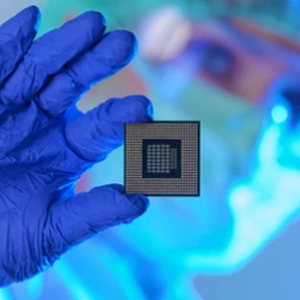
Microelectronic

Microelectronics

Thin films are applied to electronics like phones and circuits to boost conductivity, durability, and device performance, even enabling superconductive properties in some cases.
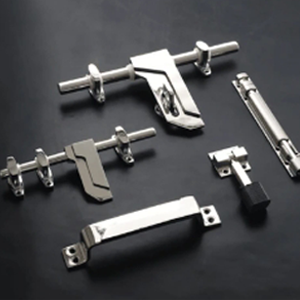
Home Hardware

Home Hardware

Home fixtures like taps, sinks, and handles often use vacuum coatings, such as nickel, stainless steel, copper, bronze, or black PVD, for added durability and style.
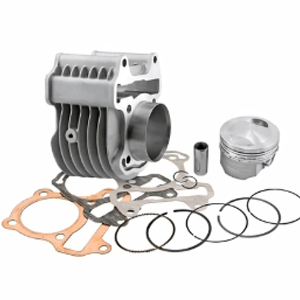
Automotive Application

Automotive Applications

Automotive parts like trim, engine components, and headlamps often use chrome coatings. PVD offers a cleaner, more durable alternative to traditional electroplating.
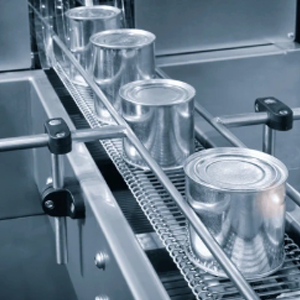
Food Packaging

Food Packaging

Aluminum is common in food packaging, but its rigidity limits use. Aluminum-coated plastic is widely used for snacks to keep them fresh.
%CNC Machining%

Optics

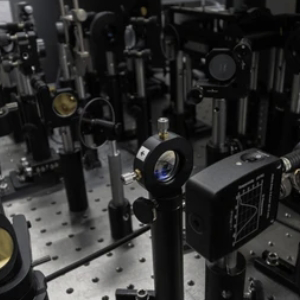
PVD coatings enhance plastic lenses, car windows, and research materials by adding scratch resistance, UV protection, and durability—without compromising clarity.

Medicine

Medicine

Creates a tough, protective coating, ensuring superior corrosion resistance and longevity for each component.
Home Tool

Home Tools

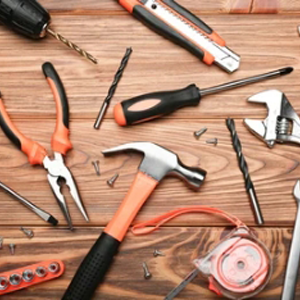
Stainless steel tools often use hard PVD coatings like titanium nitride or DLC to stay sharper longer, crucial for high-pressure applications like drilling.
Metal Finished

Decorative Applications

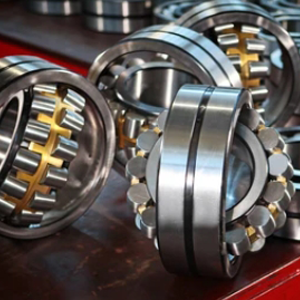
PVD offers diverse colors and finishes for decorative use on materials like copper, nickel, chrome, or ceramics. It outperforms traditional metal finishing in hardness and fade resistance.
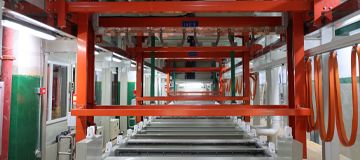
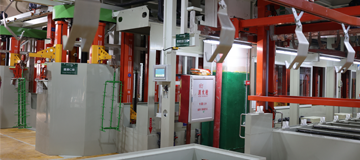
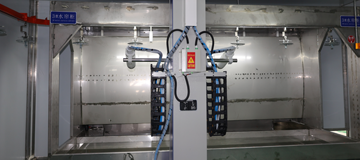
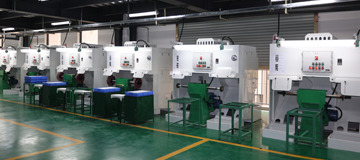
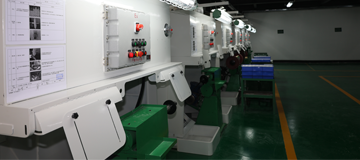
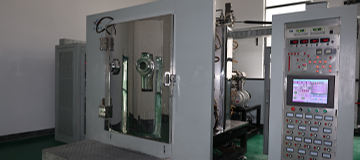
Our Facilities

Scroll to Top

Get A Free Quote Now !

Contact Form Demo (#3)
If you have any questions, please do not hesitate to contatct us.
Scan the code