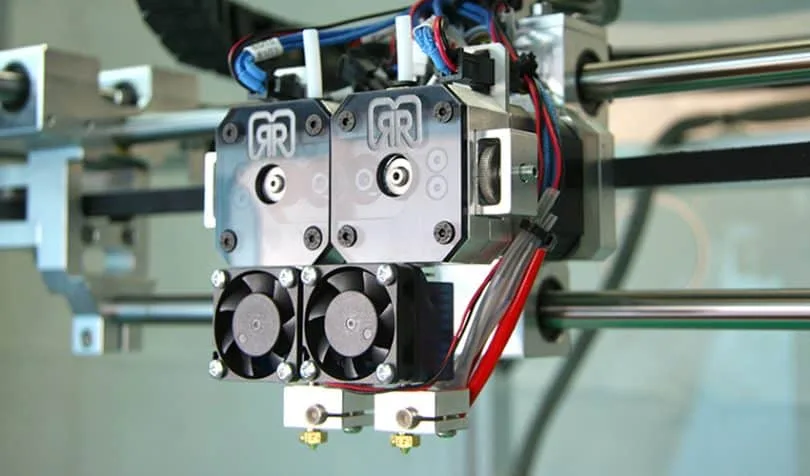
Dual-Extruder 3D Printing Guide 2025
Dual-extrusion and IDEX compared: soluble supports for internal channels, two-colour parts without painting, and the calibration that keeps both nozzles aligned.

Dual-extrusion and IDEX compared: soluble supports for internal channels, two-colour parts without painting, and the calibration that keeps both nozzles aligned.

ABS filament in production: thermal and mechanical behaviour, regulatory notes, and where it still beats PETG and nylon for functional and end-use parts.
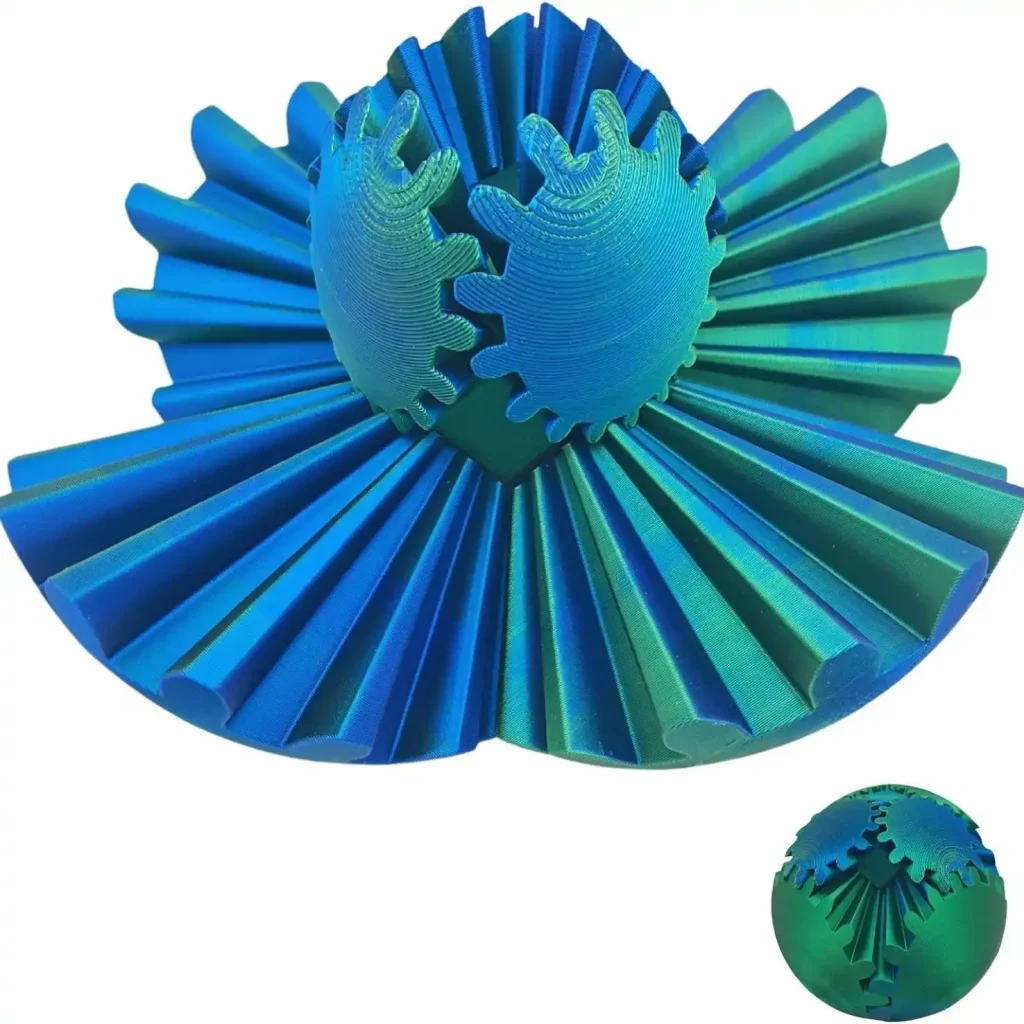
Industrial 3D printed parts in end-use production: which materials pass certification, how we ship 25,000+ parts weekly, and where AM beats machining on cost.
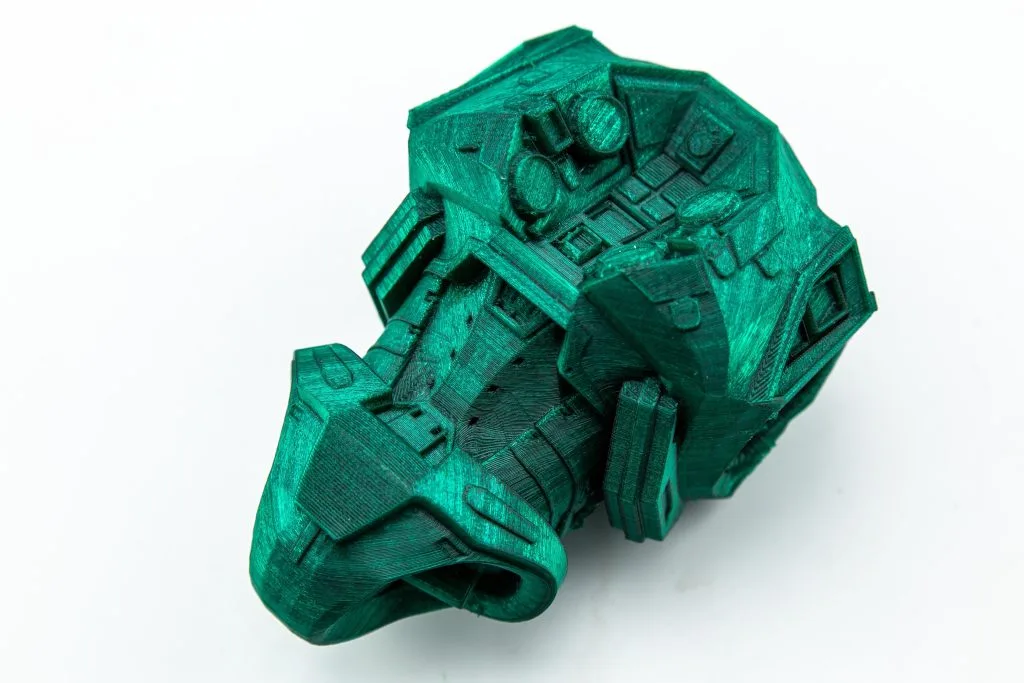
Custom 3D printed toys and STEM kits made to EN 71-3 and ASTM F963: safe material selection, choke-hazard geometry, and low-volume runs without tooling.
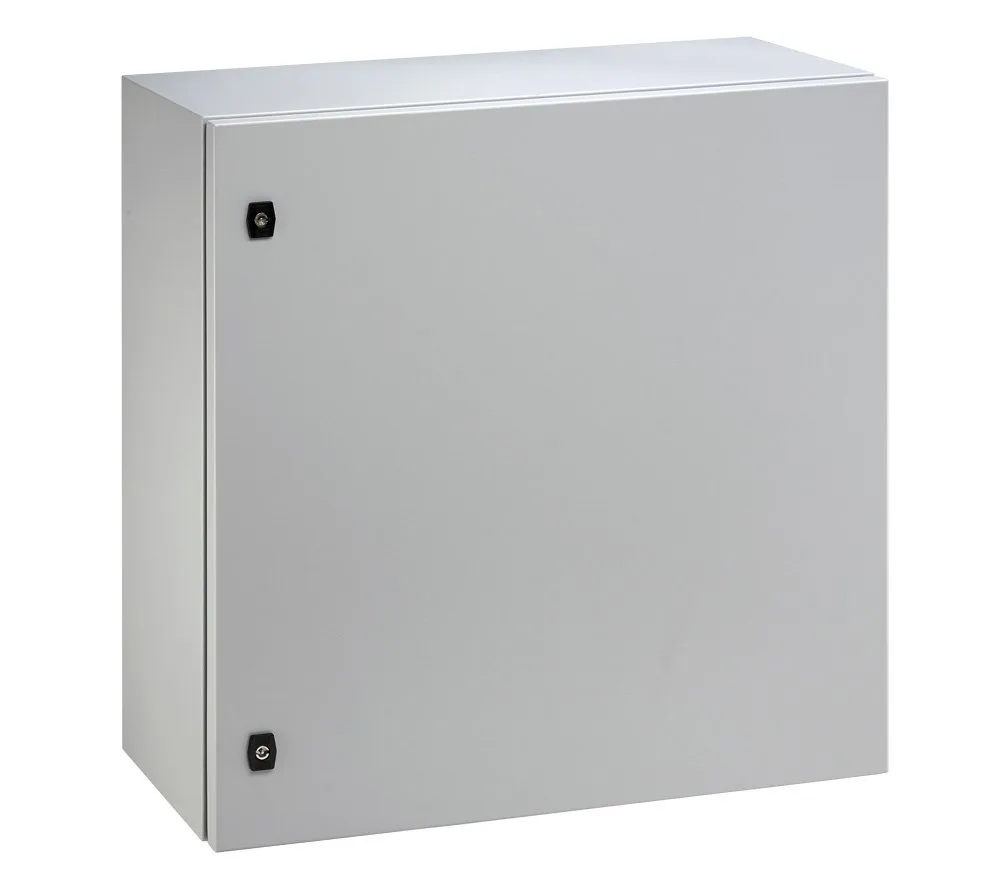
3D printer enclosure design for industrial FDM, SLA and SLS: thermal stability, acoustic isolation, fume extraction and the safety interlocks auditors look for.
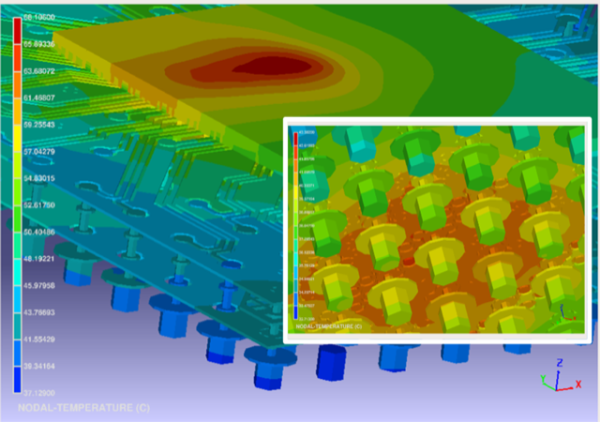
Why an enclosure is a precision thermal system, not a box: melt-pool stability, ABS and PC warp prevention, and the filtration specs that keep a shop compliant.
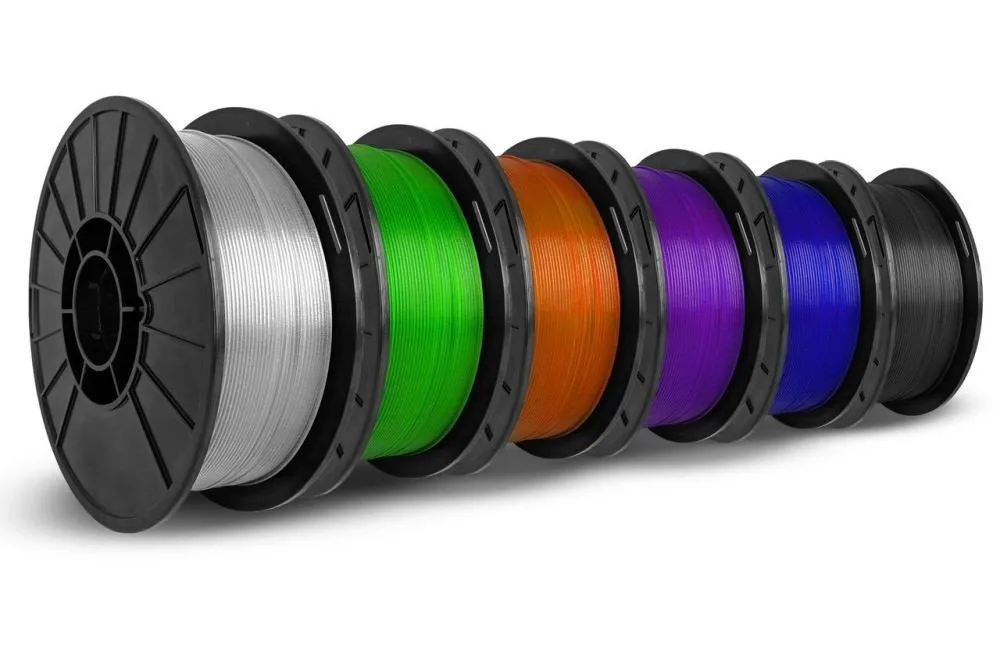
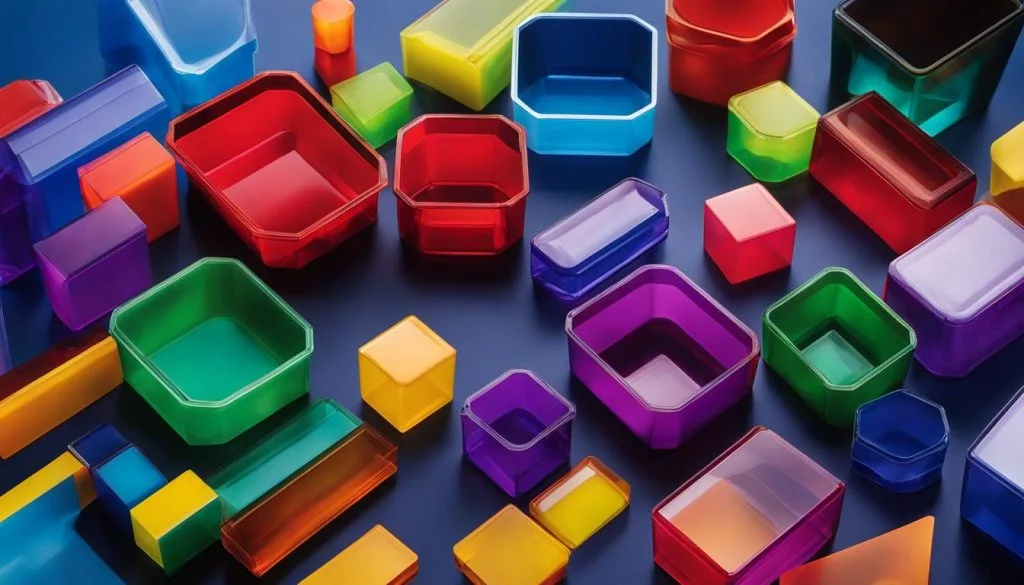
3D printing materials in 2025 compared on strength, heat resistance and compliance, so you pick the right resin or filament rather than reprinting three times.
Advanced PETG FDM printing for engineers: thermal and mechanical limits per ASTM D638/790/648, annealing effects, and settings that stop layer delamination.
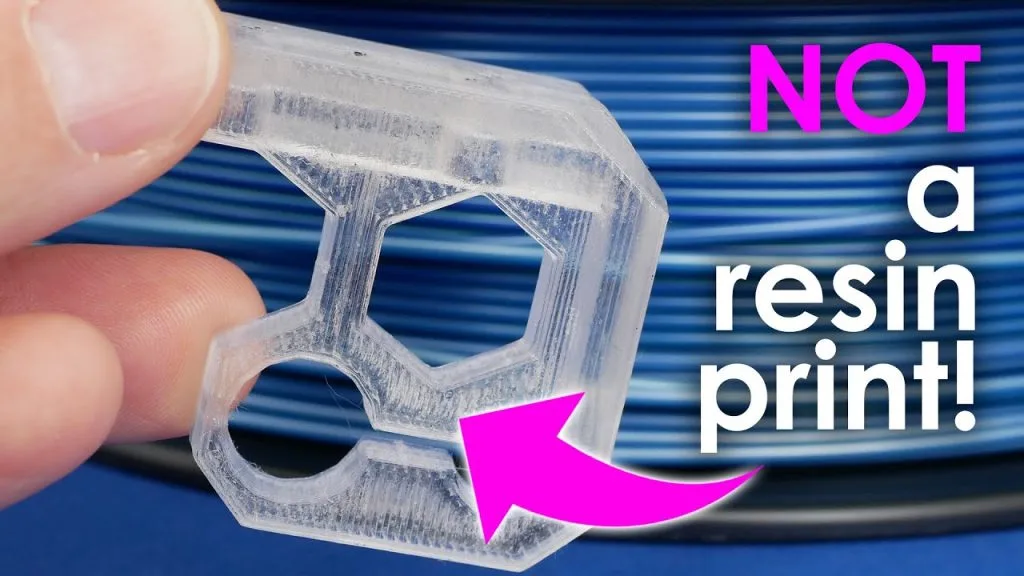
PETG filament from a production floor, not a datasheet: impact strength, chemical resistance, and how it stacks up against ABS, nylon and PLA in service.
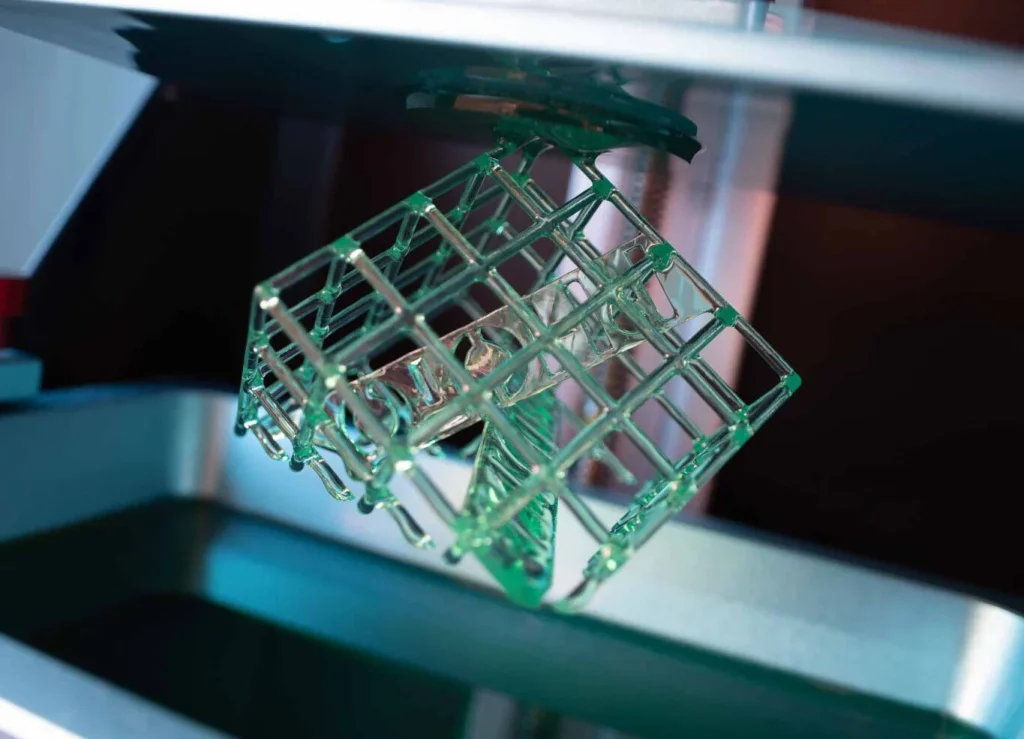
Precision SLA printing when surface finish and fine detail matter: injection-like tolerances, resin options, and post-curing that keeps parts from warping later.