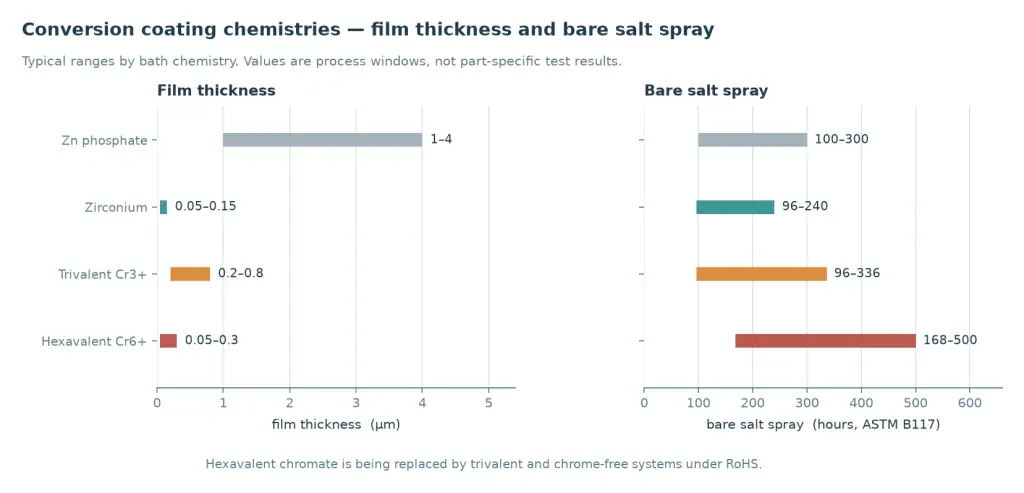
MIL-C-5541 vs MIL-DTL-5541: Mapping an Old Callout
Drawings still citing MIL-C-5541 Class 3 are common. See how the superseded callout maps to MIL-DTL-5541 Type I and Type II, and what to settle before quoting.

Drawings still citing MIL-C-5541 Class 3 are common. See how the superseded callout maps to MIL-DTL-5541 Type I and Type II, and what to settle before quoting.
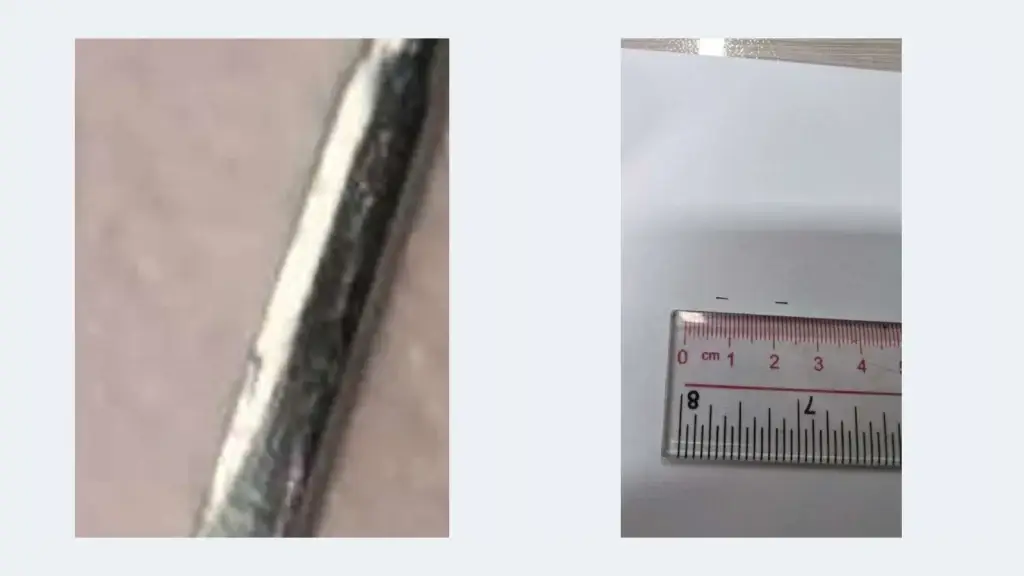
A completed 3 mm micro needle project with 0.2 to 0.3 mm features: real photographs, a scale comparison and the planning questions miniature parts raise.
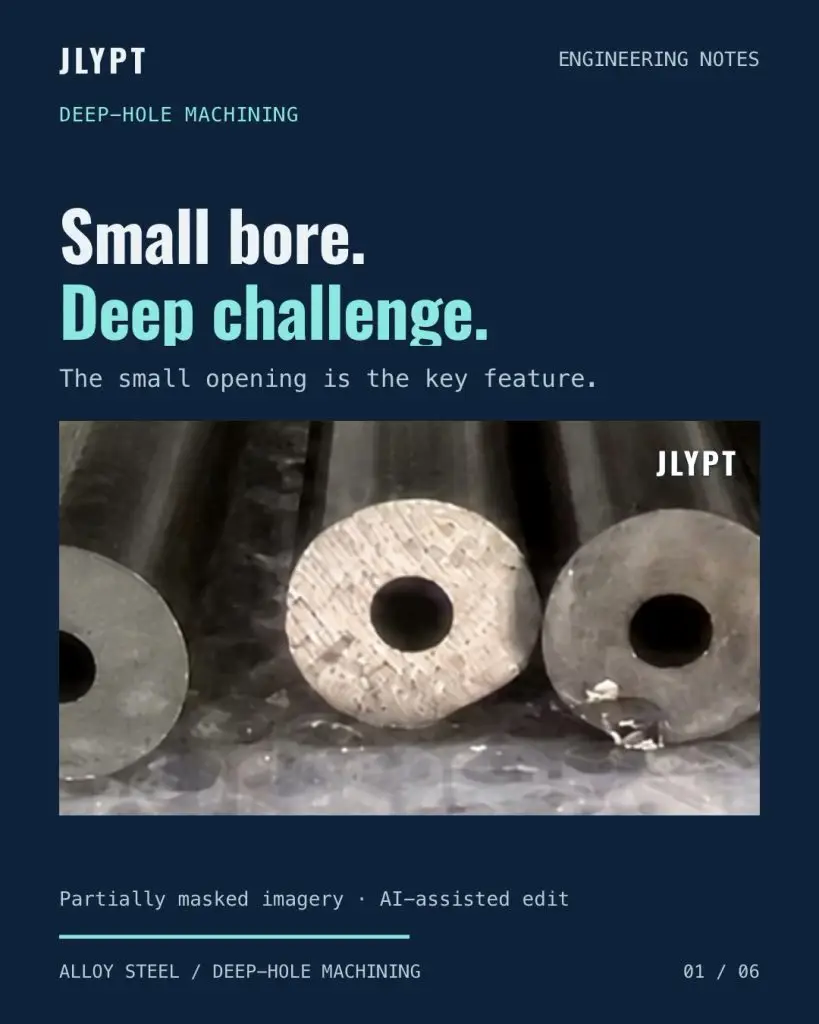
A masked alloy steel deep-hole case: bore control, chip evacuation, tool guidance and inspection planning for a long small-bore internal feature.
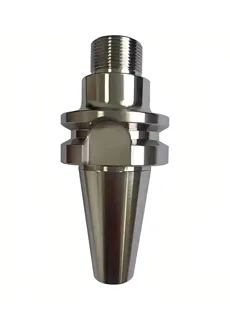
How Nadcap AC7108 audit criteria map to anodizing and conversion coating, what auditors check, and how to read a supplier scope on eAuditNet.
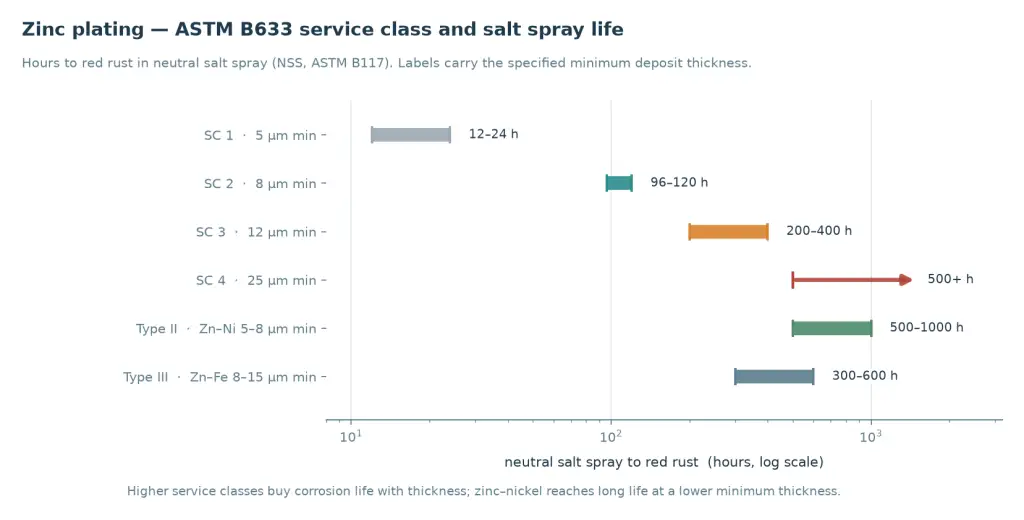
What ASTM B117 controls, typical salt spray hours by finish, how creepage is rated under ASTM D1654, and how to specify a test that means something.
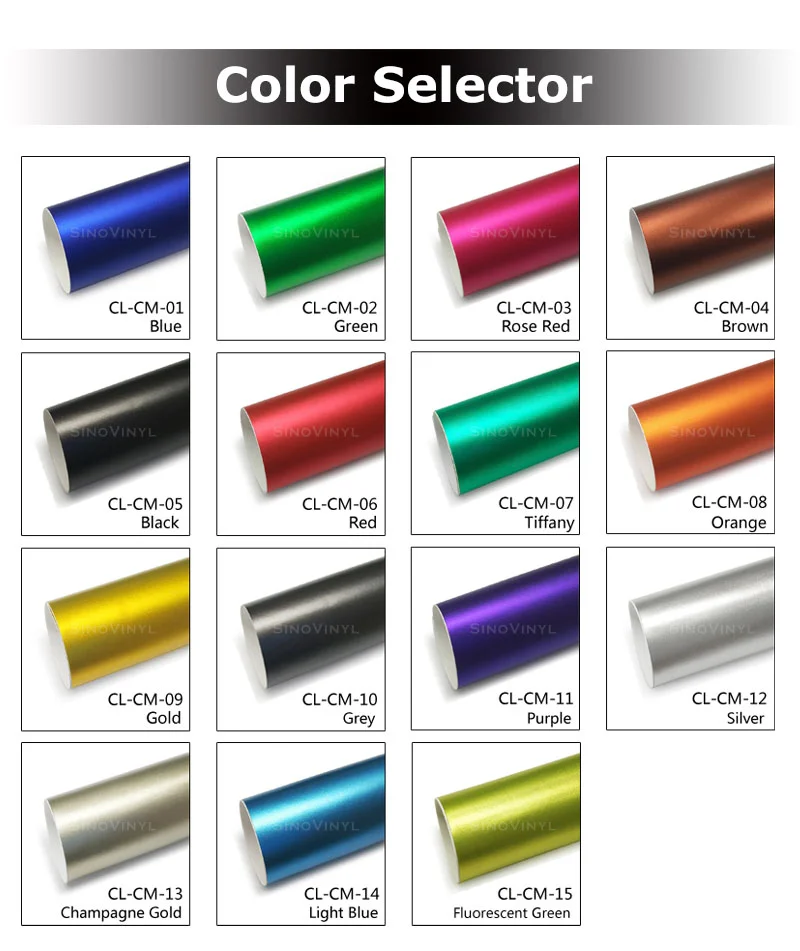
How laser marking interacts with Type II and Type III anodic films: contrast by finish, mark depth limits, corrosion trade-offs and drawing callouts.

Tolerance, cost crossover and finishing limits compared for sheet metal fabrication and CNC machining, with the hybrid routes that usually win.
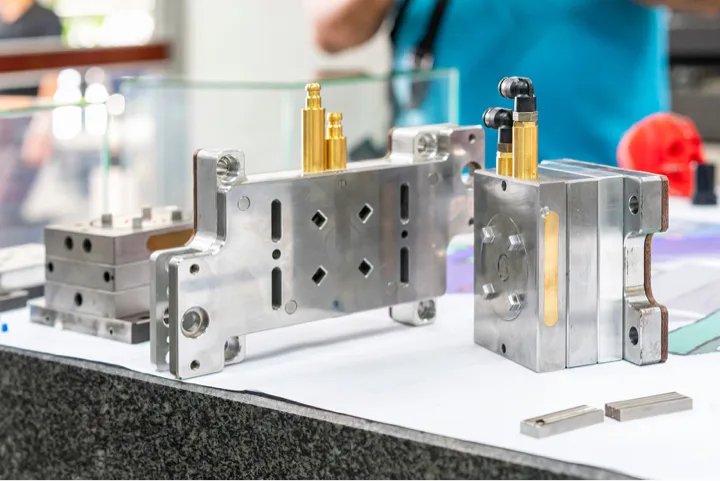
Glass-filled nylon wears tool steel regardless of hardness: how a hydrogenated DLC film changes the wear mechanism, with variant selection and temper limits.

A Ti-6Al-4V bracket with 0.9 mm ribs and ±0.02 mm intersecting bores: how the three-stage process plan, vacuum fixturing and stress relief hold tolerance.

Complete guide to CNC machining costs in 2026. Learn how material, complexity, tolerance & quantity affect pricing. Get cost-saving tips and a free quote.