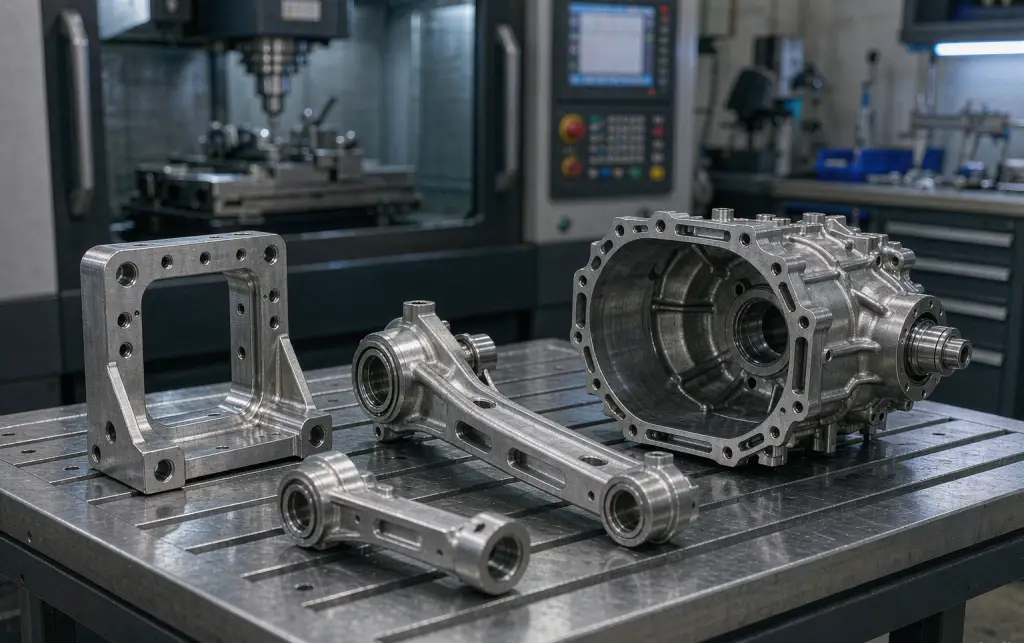
Automotive Prototype Machining: Moving From Prototype to Production Without Losing Weeks
Most automotive programs do not lose time in the prototype phase. They lose it in the handoff. The prototype shop that built your first parts hands the job to a production supplier, the production supplier re-quotes, re-programs and re-learns everything the prototype shop already knew, and suddenly a two-week transition becomes a two-month one.
This article covers how that handoff goes wrong, what changes between prototype and production runs, and the practices that keep a program moving when volumes scale up.
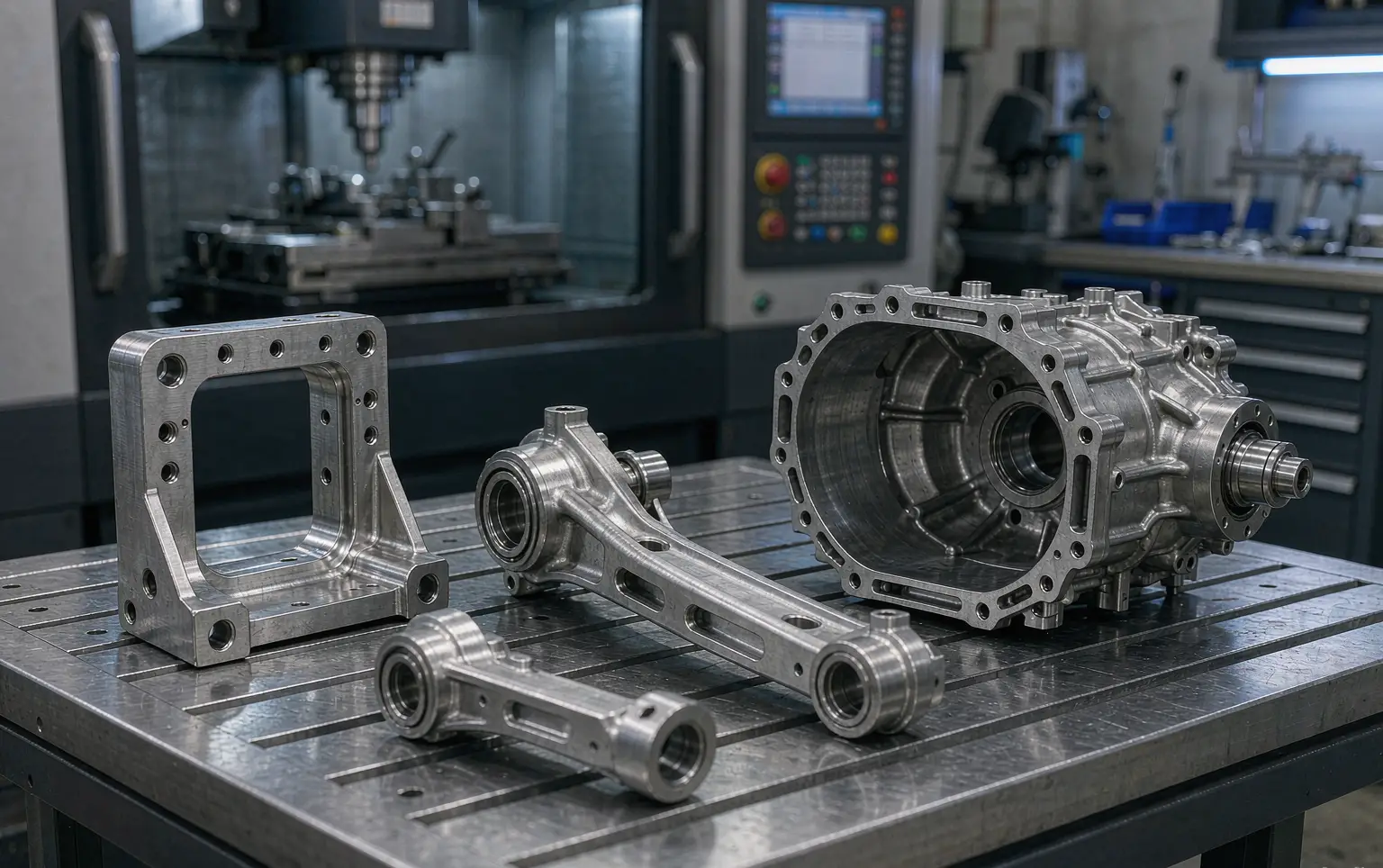
Where the prototype-to-production handoff goes wrong
After seeing many programs through this transition, the failure modes repeat:
- Quote mismatch. The prototype price was never a production price. It included no fixtures, no inspection planning and no process optimization. The first production quote shocks the program team and triggers a new supplier search, which costs more weeks.
- Reprogramming from scratch. The production supplier gets STEP files, not the CAM models, fixture plans or cutting data. Every workholding decision gets made twice, and the second version is not always better.
- Lost process knowledge. The prototype shop discovered that a certain tool path caused chatter on thin walls, or that a specific tolerance was consistently hard to hold. None of that reached the production quotation, so the same problems get rediscovered on the clock.
All three problems share one root cause: treating prototype and production as two different jobs instead of two stages of the same job.
Keep one process chain from day one
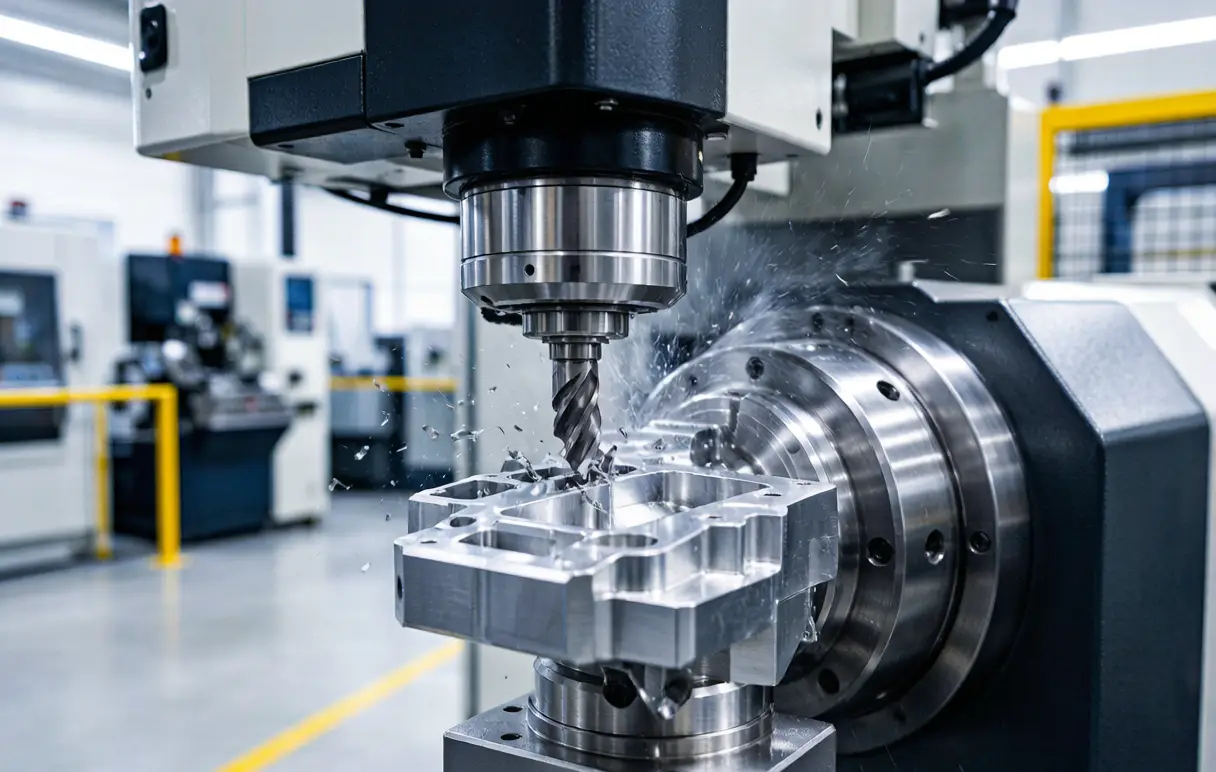
The cleanest fix is structural: work with a supplier that intends to carry the part from prototype through production. Our approach at JLYPT as a prototype-to-production partner keeps the entire chain under one roof:
- The CAM programs written for prototype parts are versioned, not discarded
- Fixture concepts proven on prototypes become the basis for production fixtures
- First-article discipline starts at the first part, not the first production batch
- Cutting data, tool life observations and problem features are documented per part number
When volumes justify it, the only real change is parallel machining and better fixturing, not a redesign of how the part is made.
What actually changes between prototype and production
Plenty of things should change. The point is that they should be planned changes, not surprises:
| Aspect | Prototype run | Production run |
|---|---|---|
| Quantity | 1-50 parts | Hundreds to thousands per release |
| Fixture approach | Soft jaws, modular vises, one-off workholding | Dedicated fixtures sized for cycle time and repeatability |
| Inspection | Full dimensional layout on every part | First article plus sampling plan per control plan |
| Material certs | Often waived to save schedule | Required, with traceability to heat lot |
| Cost structure | Setup dominates | Cycle time, tool life and scrap rate dominate |
| Change management | Informal, rev changes happen fast | Documented, because parts ship to multiple stations |
Notice what is not on the list: tolerances. A common mistake is designing prototype parts loose, then tightening everything for production. If the function needs the tolerance, it needed it in the prototype too, and the prototype data becomes meaningless. If it does not need it, production should not pay for it either.
DFM feedback that saves real money
The prototype phase is the cheapest time to change a design. Feedback we regularly give automotive engineers:
- Internal corner radii. Machined corners need radius, not square. The larger the radius you can accept, the more tool rigidity and speed we can use.
- Deep pockets. Pockets deeper than about four times the tool diameter drive cost up fast. Through-cutting or splitting a part can be cheaper than machining a deep cavity.
- Tolerance stacks. Sometimes a tolerance can move from a machined feature to an assembly adjustment. Worth checking before locking drawings.
- Wall thickness. Thin walls on large aluminum parts distort during machining and again during heat treatment. Uniform walls machine cleaner.
- Thread callouts. Standard thread sizes and lengths use standard tooling. Special pitches or short thread depths sometimes need custom tools and setup.
A good rule: if a feature exists only because a casting or molding process would have needed it, question whether it belongs on a machined part.
Bridging the gap with low-volume validation runs
Between prototype and full production sits a stage many programs skip and then regret: validation builds. These are runs of roughly 50-500 parts that use production-intent process steps but do not yet commit to production tooling.
We cover this in detail in our article on low-volume CNC production for prototype validation. The short version: validation builds surface the process problems while they are still cheap to fix, and they give your team real hardware for durability and fitment testing instead of hand-built parts.
Lightweighting: where automotive programs are heading
EV programs have pushed lightweighting from nice-to-have to requirement. Machined aluminum remains the default for structural brackets and housings, and interest in magnesium keeps growing for mass-critical components. Our magnesium alloy machining guide covers the specifics, including the fire-safety handling that magnesium demands.
For a sense of how material choice moves cost, our CNC machining cost guide breaks down pricing by material, tolerance and quantity.
Program-specific notes: performance and motorsport programs prioritize stiffness-to-weight and fast revisions, which suits machining well; see our work on parts for the automotive performance industry. Low-volume luxury programs often stay machined permanently, which we cover in bespoke machining for luxury vehicles.
Documentation automotive buyers should expect
Production automotive sourcing runs on paperwork, and machining suppliers need to produce it:
- First article inspection (AS9102-style FAI reports work well even outside aerospace)
- Material certificates traceable to heat lot
- CMM data on called-out features, with fixture and datum scheme documented
- Change control, so a rev B part never gets mixed with rev A inventory
If a supplier cannot produce this package, the program will hit a wall at PPAP or its automotive equivalent, regardless of how good the parts look.
Frequently asked questions
Should prototype and production parts come from the same supplier?
Not always, but the transition is faster and cheaper when they do. If you must split them, at minimum transfer CAM data, fixture concepts and inspection results, not just CAD files.
How many prototype parts do I need before production?
Fitment checks can run on 1-5 parts. Function and durability validation usually wants 20-50. Anything consumer-facing, like a handle or trim piece, benefits from enough units that multiple testers can form an opinion.
Can you hold automotive production tolerances?
Typical automotive machining tolerances of +/-0.05 mm on critical features are routine work. Tighter requirements to +/-0.01 mm on specific diameters and bores are achievable; flag them early so inspection planning matches.
What about prototype parts for testing, not just fitment?
Test parts should use production material and, where possible, production process steps. Testing on prototype-grade material gives results that do not transfer. Our article on automotive prototyping and testing covers this workflow.
Ready to start a program?
Send us your CAD models and target volumes. You will get DFM feedback specific to your parts, an honest picture of prototype versus production pricing, and a process plan that does not fall apart when quantities go up. Start on our contact page.