Introduction to CNC Machining
Computer Numerical Control (CNC) machining has revolutionized manufacturing since its introduction in the 1940s. Unlike manual machining, CNC machining relies on pre-programmed software to control high-precision tools, enabling mass production of complex parts with tolerances as tight as ±0.001 mm. For industries demanding accuracy and repeatability, from aerospace components to medical implants, CNC is the gold standard.
Why This Matters for Manufacturers
Global CNC machining market projected to reach $138.9 billion by 2030 (Grand View Research, 2023).
78% of automotive manufacturers use CNC for prototyping and production (Statista, 2024).
How CNC Machining Works: Core Principles
1. Digital Design & CAD Modeling
Every CNC process begins with a 3D CAD model designed in software like AutoCAD or SolidWorks. This model defines the part’s geometry, dimensions, and material specifications.
Pro Tip:
“Always optimize CAD designs for manufacturability, avoid sharp internal corners to reduce tool wear.”
– James Carter, Lead Engineer at Boeing Aerostructures
2. CAM Programming
The CAD file is converted into G-code (machine-readable instructions) via CAM software. This code dictates toolpaths, spindle speeds (e.g., 10,000 RPM), and feed rates.
Critical Parameters:
Cutting Tools: Carbide end mills, drills, or lathes.
Coolant Systems: Essential for heat dissipation in titanium or Inconel machining.
3. Machine Setup & Calibration
Operators load raw materials (aluminum, steel, plastics) into the CNC machine, secure them with vises or fixtures, and calibrate tools using probe systems for zero-point accuracy.
Step-by-Step CNC Machining Process
Phase 1: Milling
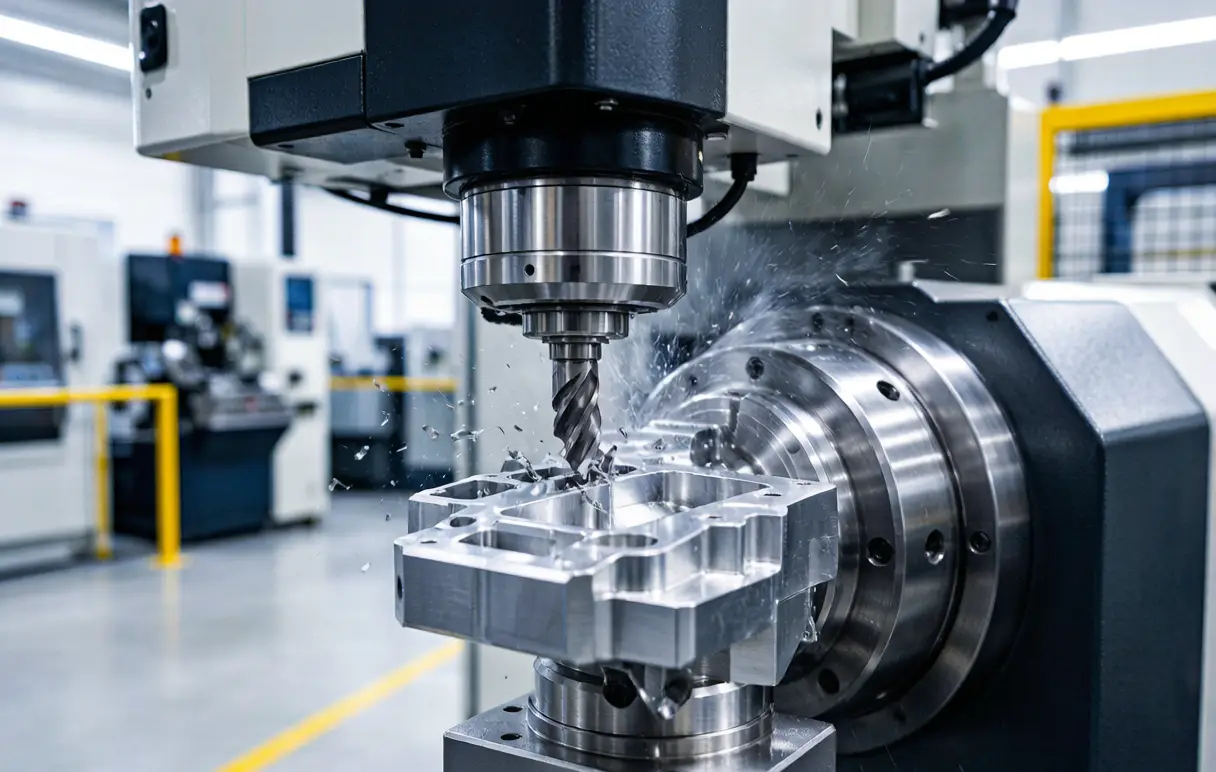
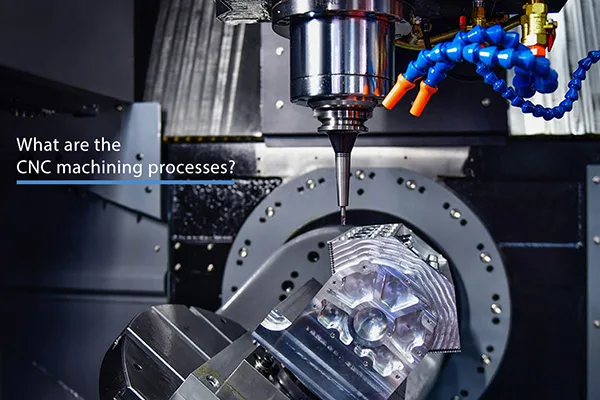
3-Axis vs. 5-Axis: 5-axis CNC machines (e.g., DMG MORI) enable complex geometries by rotating the workpiece on multiple planes.
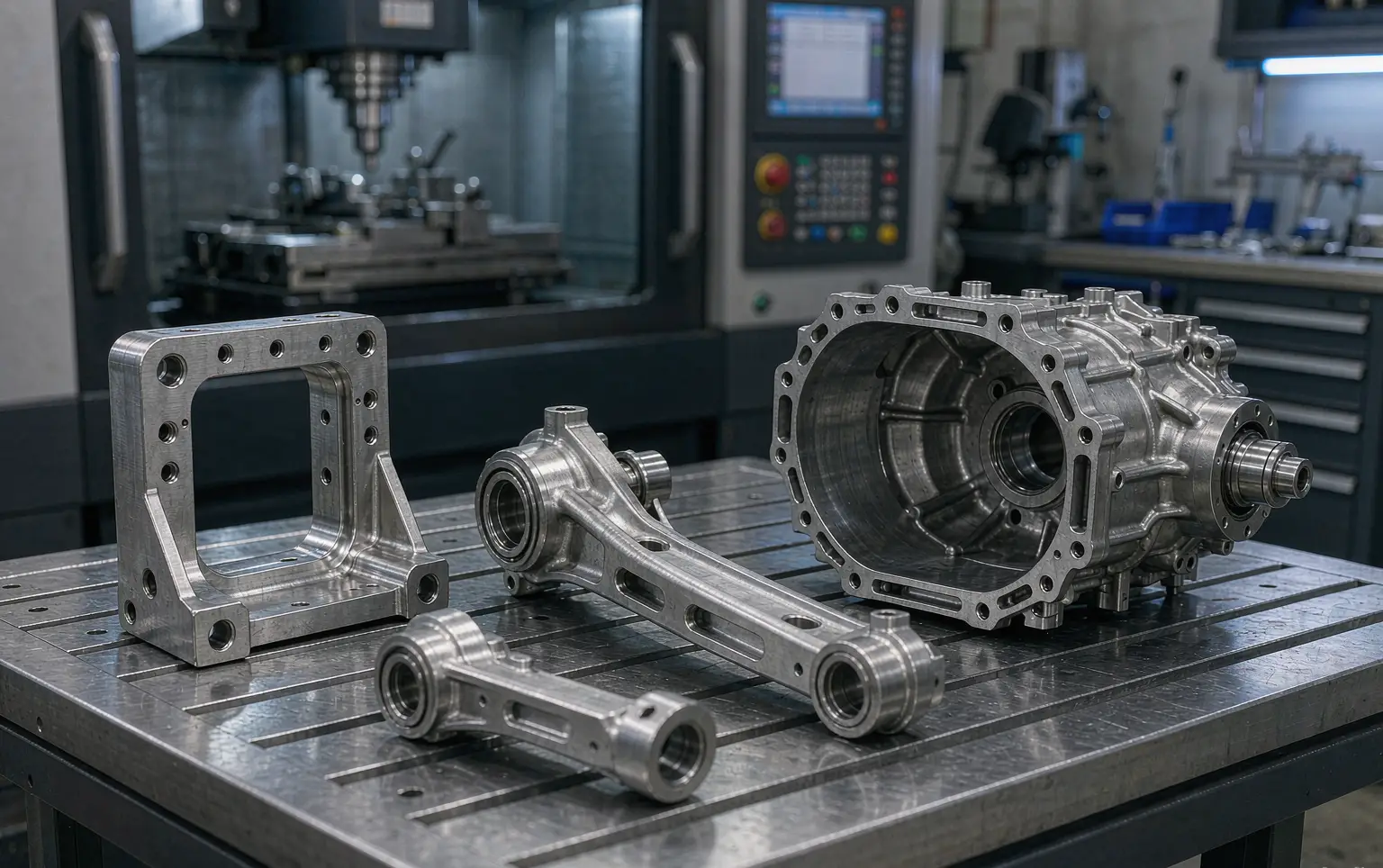
Applications: Aerospace turbine blades, automotive engine blocks.
Phase 2: Turning
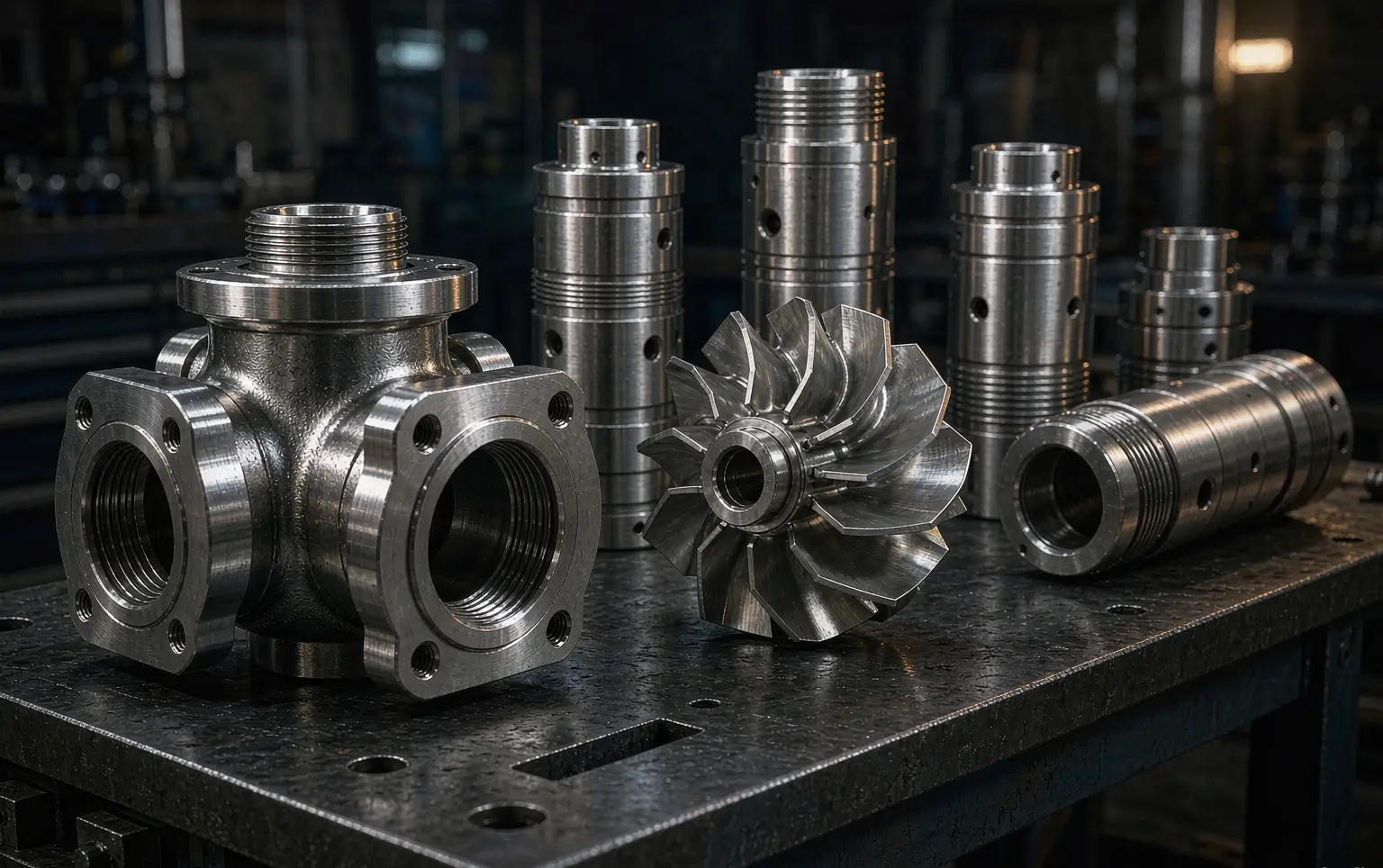
Performed on CNC lathes to create cylindrical parts (e.g., shafts, valves).
Tolerance Achievable: Up to IT5 grade (ISO standard).
Phase 3: Post-Processing
Deburring: Remove sharp edges manually or via tumbling.
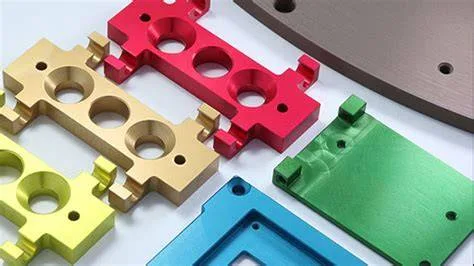
Surface Finishing: Anodizing (for aluminum), passivation (stainless steel).
Case Study:
*JLYPT recently delivered 5,000 titanium spinal implants for a European medical device company. Using 5-axis CNC machining, we achieved a surface roughness of Ra 0.4 μm, exceeding ISO 13485 standards.*
Key Applications of CNC Machining
- Industry Use Cases Material Examples
- Aerospace Turbine blades, landing gear Titanium (Ti-6Al-4V), Inconel
- Medical Orthopedic implants, surgical tools PEEK, Stainless Steel 316L
- Automotive Engine blocks, transmission housings Aluminum 6061, Cast Iron
- Electronics Heat sinks, connector housings Copper, ABS Plastic
Categories: “CNC machining process”, “5-axis CNC services”, “precision manufacturing”