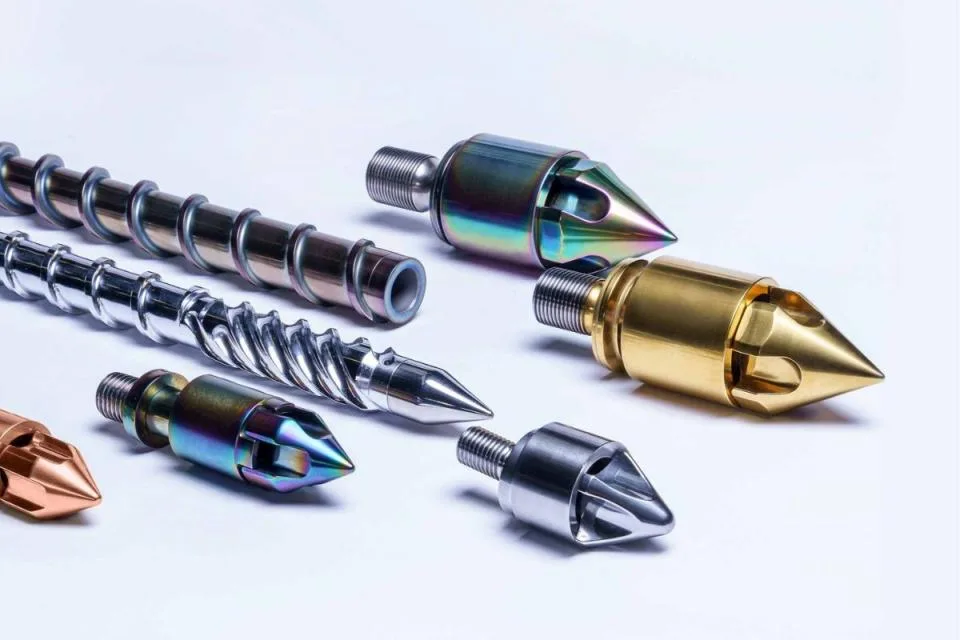
Hybrid Physical–Chemical Vapor Deposition
Hybrid PVD/CVD deposition combines both processes: 5 nm to 10 micron range, faster deposition than pure CVD, and film properties neither method reaches alone.

Articles about surface finishing and coating processes for CNC machined parts: anodizing, plating, powder coating, and more.
Hybrid PVD/CVD deposition combines both processes: 5 nm to 10 micron range, faster deposition than pure CVD, and film properties neither method reaches alone.
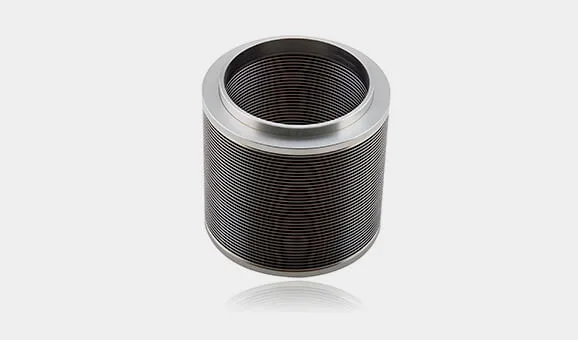
Cathodic arc deposition from spark to surface: 0.1 to 5 micron films at 3,000 HV, how it compares with magnetron sputtering, and where the hardness is worth it.
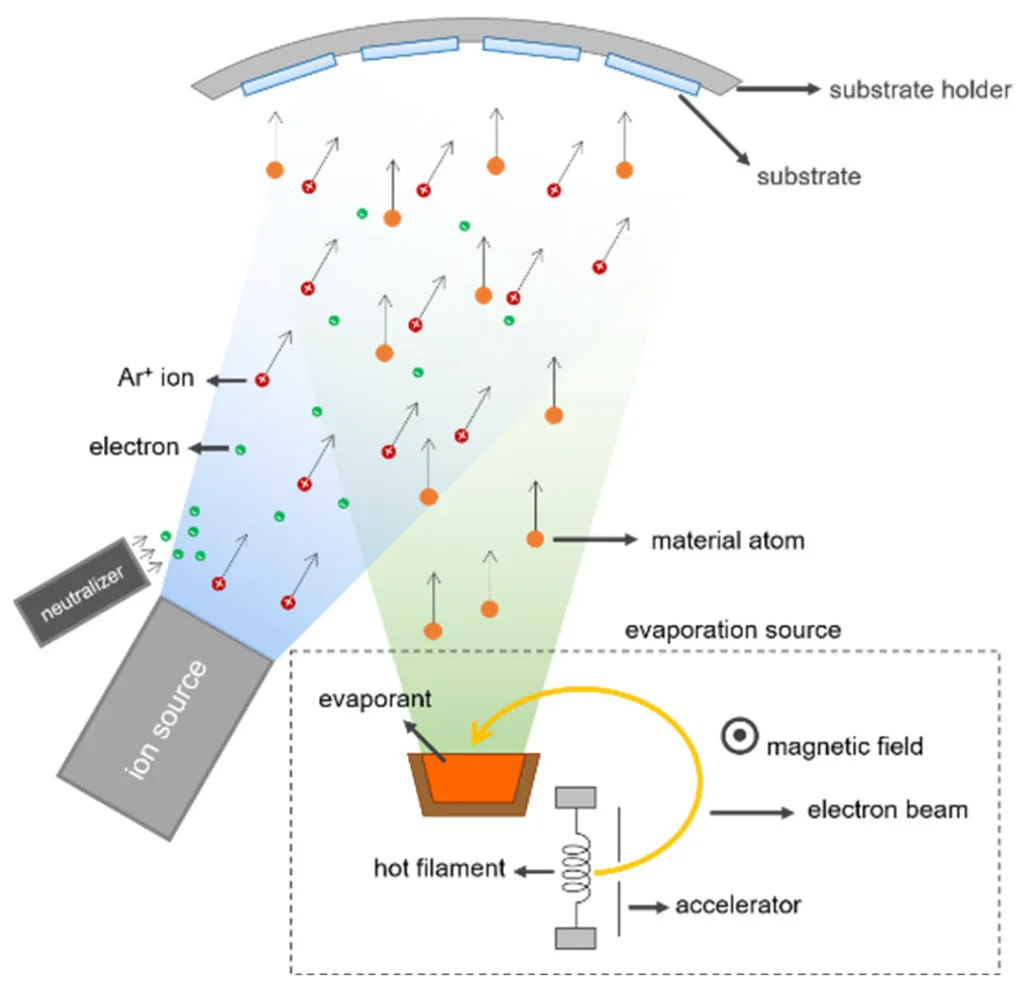
Electron beam PVD explained with numbers: 5 nm to 5 micron films, deposition rates versus sputtering, and where high-flux nano-finishing beats electroplated nickel.
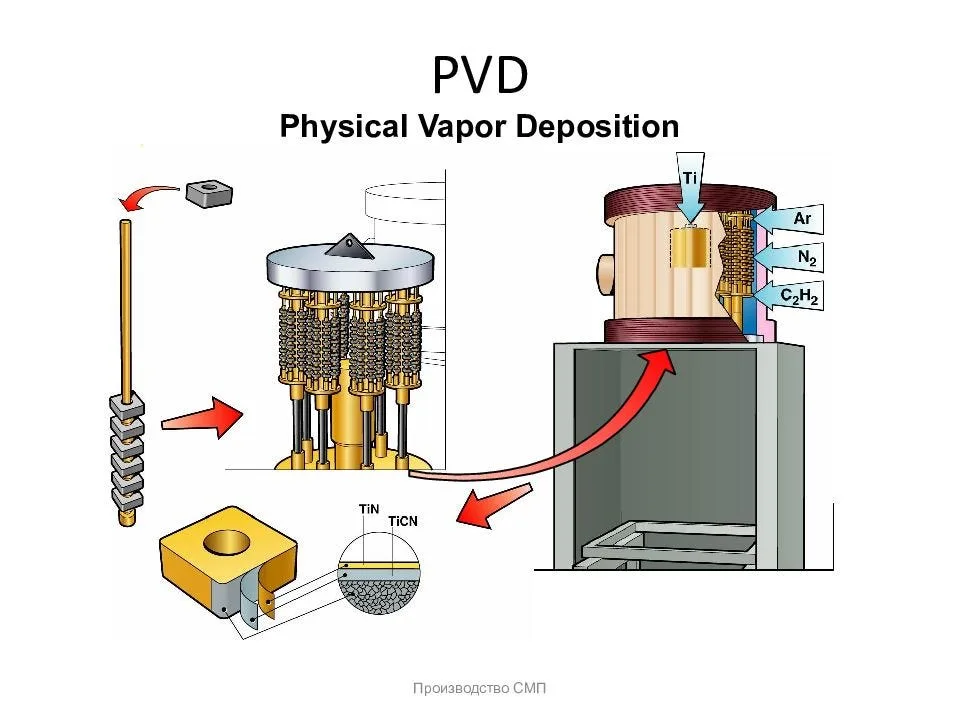
Arc Vapor Deposition Process: From Spark to Surface Perfection 1. Arc Vapor Deposition Meaning – 60-Second Definition Arc vapor deposition
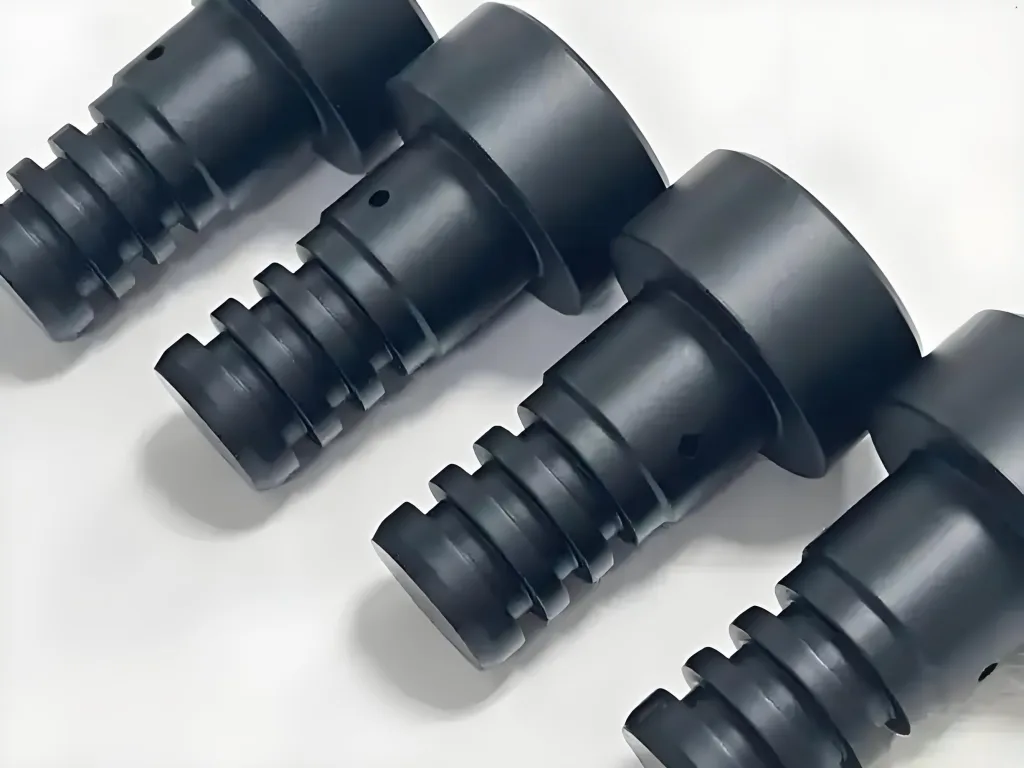
Sputter Deposition Meaning: The Engine Behind Modern Surface Finishing 1. Sputter Deposition Meaning – 60-Second Definition Sputter deposition is a
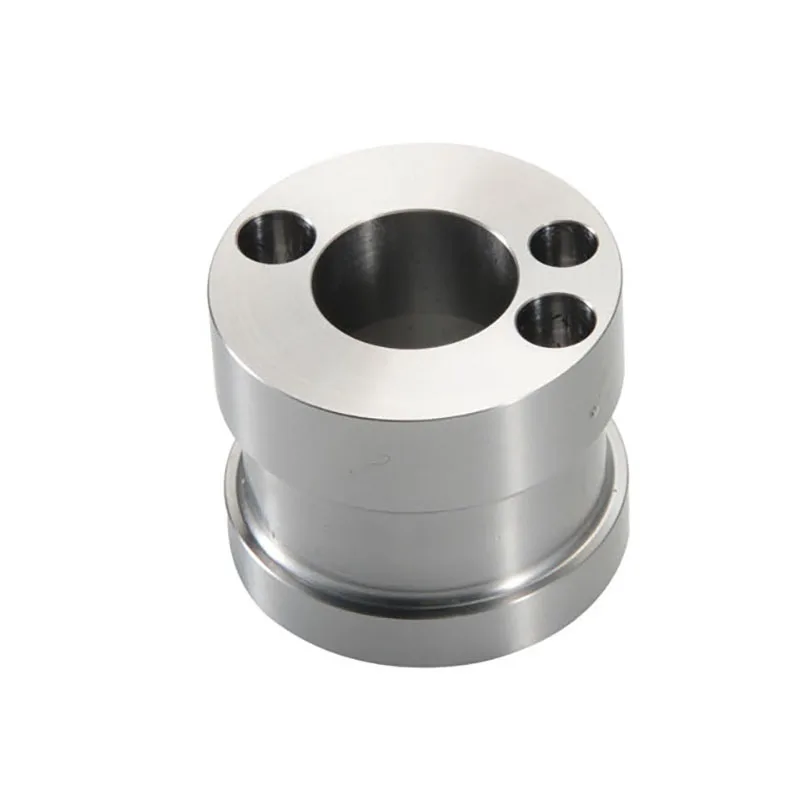
Where PVD coatings are used across industries: substrate and film stack matched to each application, from Inconel turbine parts at 1,000 degrees to hardware.
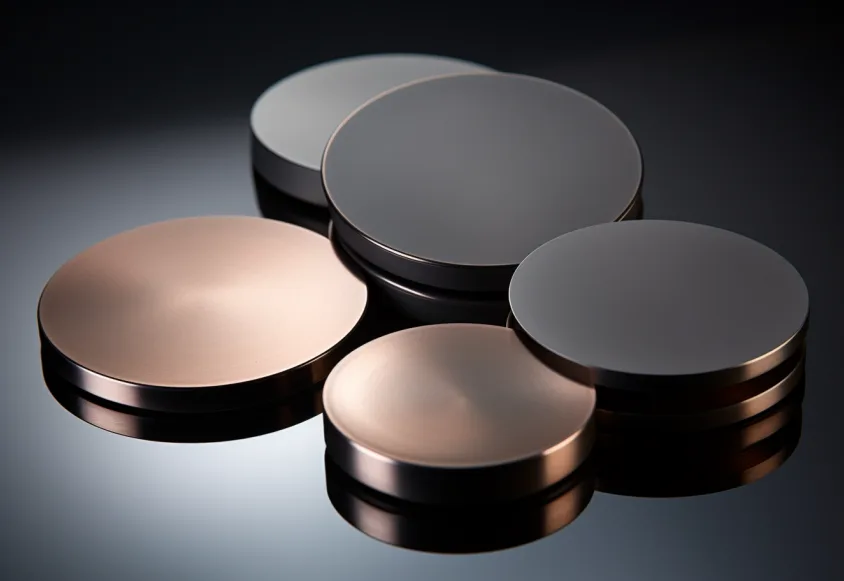
PVD thin film technology in plain terms: 5 nm to 5 micron coatings, resolution versus traditional PVD and nickel plating, and when nano-scale precision pays.
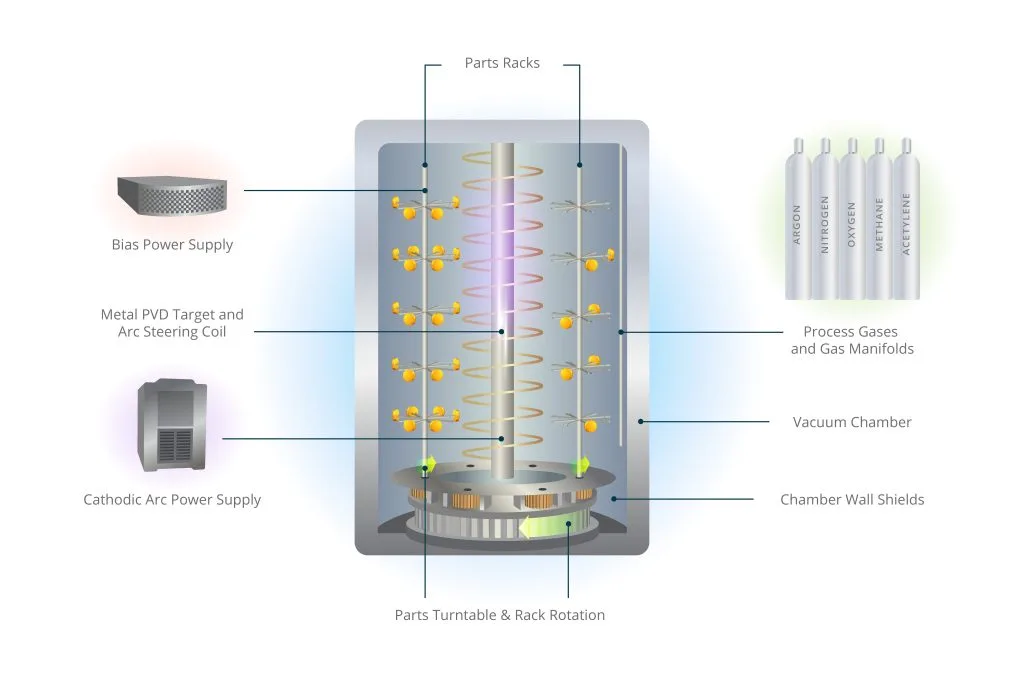
How Does PVD Coating Work? A Step-by-Step Surface-Finishing Guide 1. What Does “PVD Coating Work” Actually Mean? “PVD coating works”
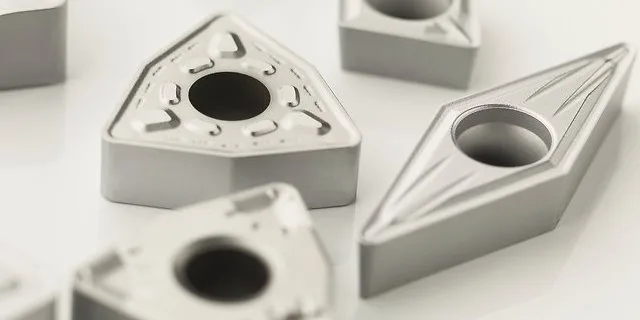
PVD vs CVD Differences: Choosing the Right Surface-Finishing Route in 2024 1. What Does “PVD vs CVD” Mean for Surface
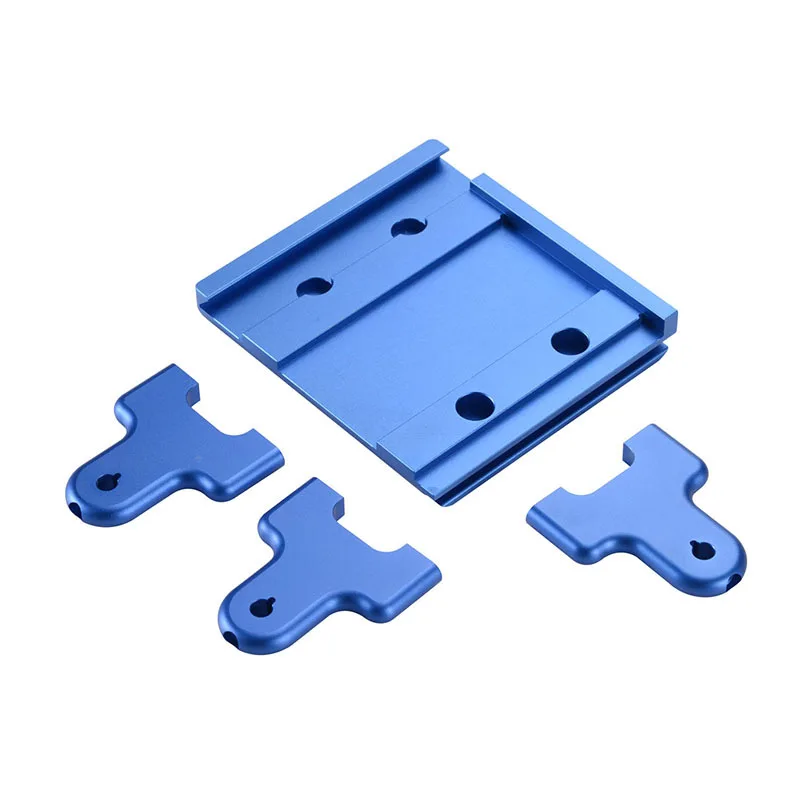
What Does PVD Stand For? Unraveling the Acronym in Surface Finishing 1. What Does PVD Stand For? PVD stands for