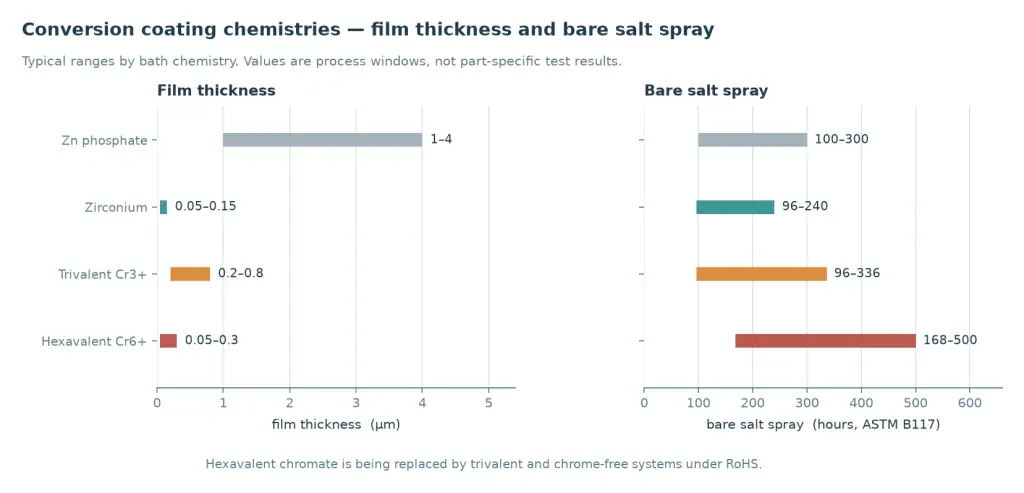
MIL-C-5541 vs MIL-DTL-5541: Mapping an Old Callout
Drawings still citing MIL-C-5541 Class 3 are common. See how the superseded callout maps to MIL-DTL-5541 Type I and Type II, and what to settle before quoting.

Articles about surface finishing and coating processes for CNC machined parts: anodizing, plating, powder coating, and more.
Drawings still citing MIL-C-5541 Class 3 are common. See how the superseded callout maps to MIL-DTL-5541 Type I and Type II, and what to settle before quoting.
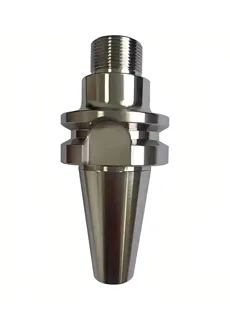
How Nadcap AC7108 audit criteria map to anodizing and conversion coating, what auditors check, and how to read a supplier scope on eAuditNet.
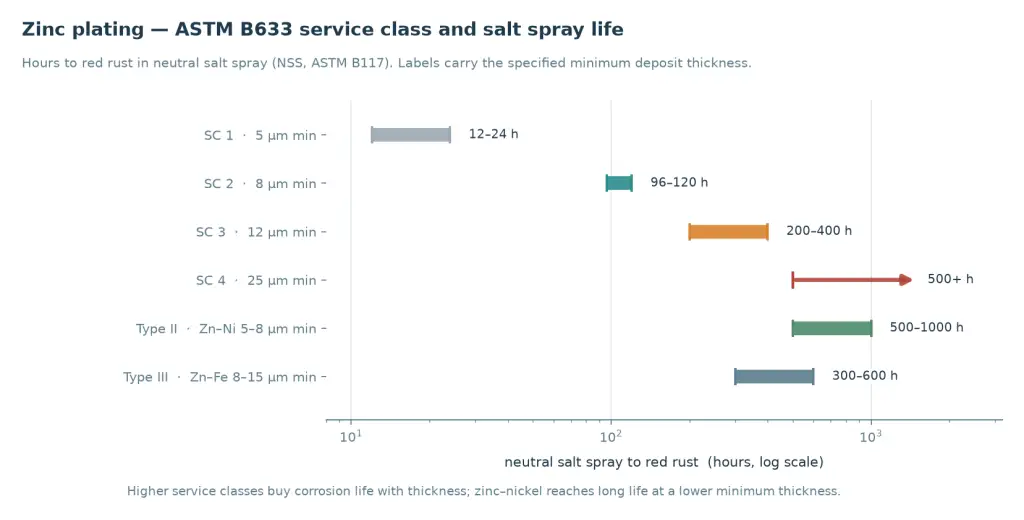
What ASTM B117 controls, typical salt spray hours by finish, how creepage is rated under ASTM D1654, and how to specify a test that means something.
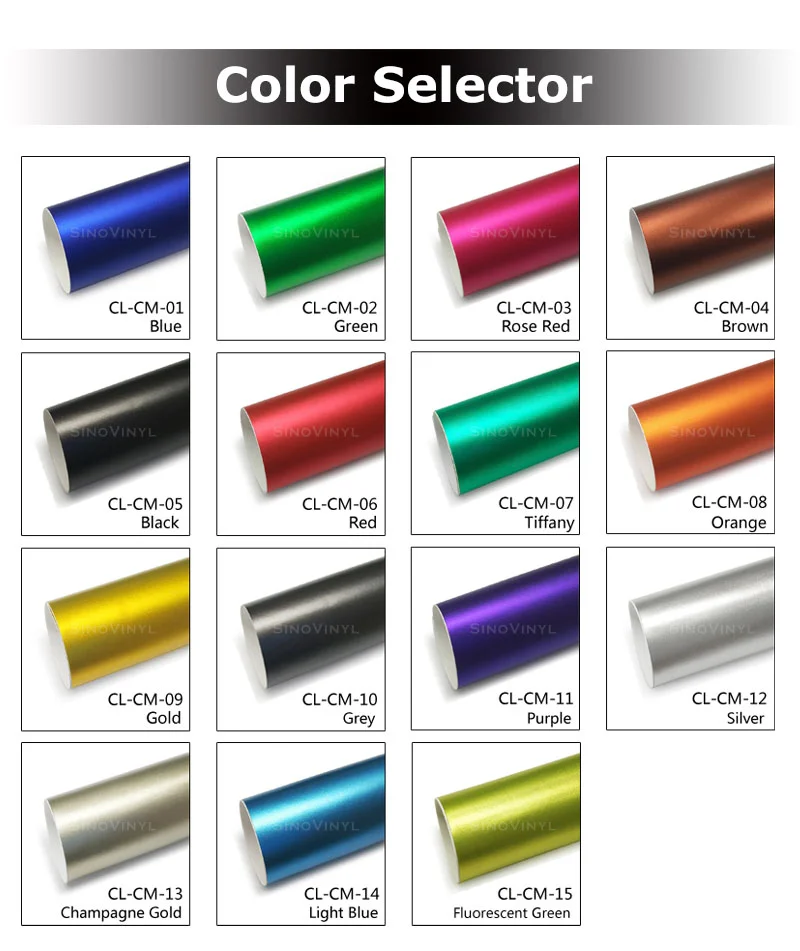
How laser marking interacts with Type II and Type III anodic films: contrast by finish, mark depth limits, corrosion trade-offs and drawing callouts.
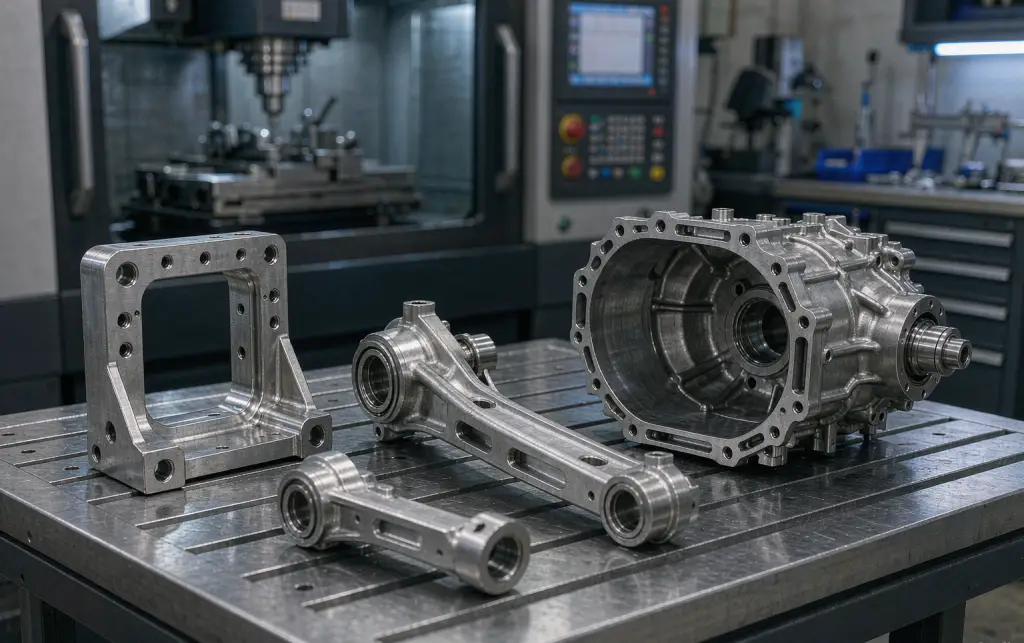
Why the handoff from prototype to production loses weeks, and how process continuity, DFM feedback and validation runs keep automotive programs on schedule.
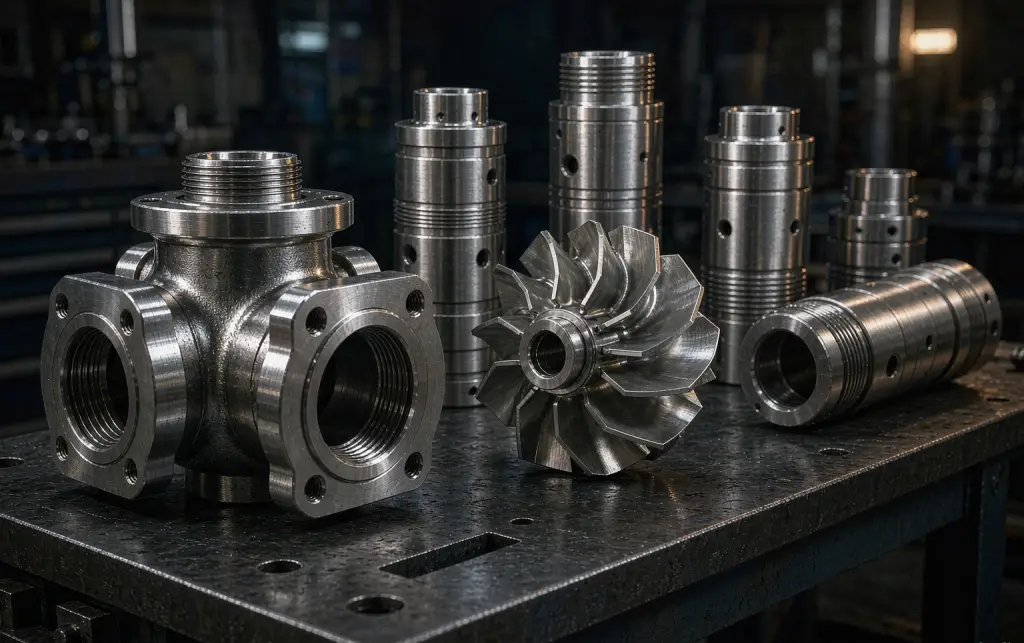
What to specify when sourcing machined oil and gas components: materials for sour service, tolerances that matter, finishing options, and an RFQ checklist that gets accurate quotes.
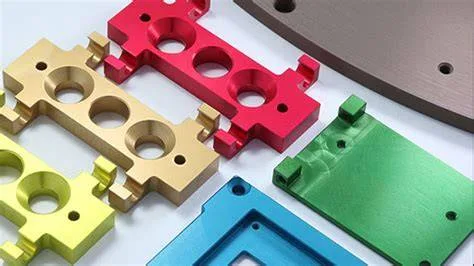
MIL-DTL-5541 Class 3 Conductive Chem Film: The Definitive Engineering Guide for CNC Machined Aluminum Last reviewed: November 2026. Requirements described
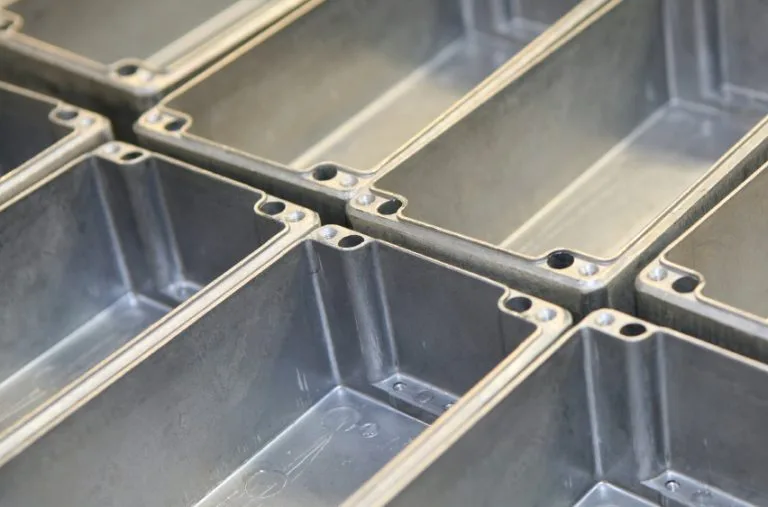
Anodize vs Chromate Conversion Coating: A Complete Engineering Guide for CNC Machined Aluminum Parts Choosing the right surface treatment for
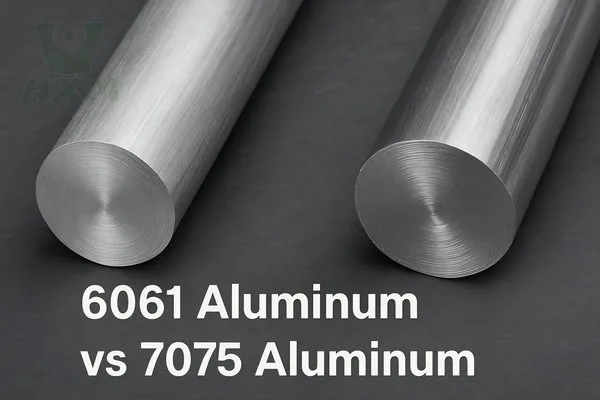
Anodizing Color Variation by Alloy: Why Your Aluminum Parts Don’t Match , and How to Fix It You ordered 200
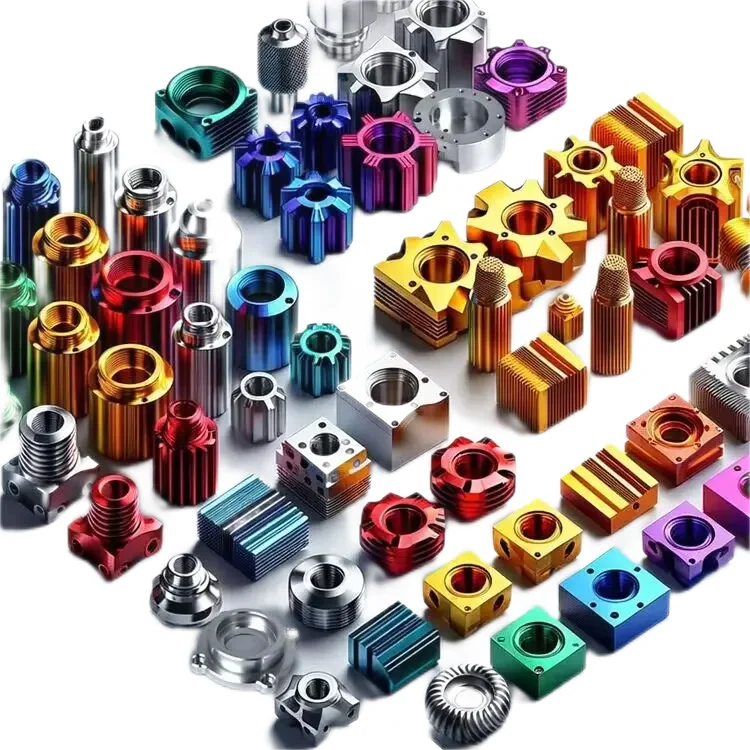
7075 Anodizing Issues and Solutions for CNC Parts 7075 aluminum is one of the most widely specified high-strength alloys in